Pilosocereus alensis
(F. A. C. Weber) Byles & G. D. Rowley
Pitahaya barbon
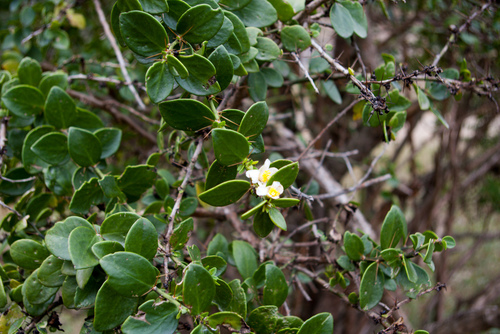
iNaturalist· cc-by-nc
(c) ric_ramirez, some rights reserved (CC BY-NC)
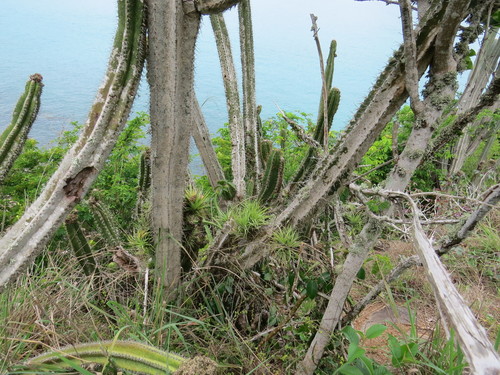
iNaturalist· cc-by
(c) Wendy Cutler, some rights reserved (CC BY)
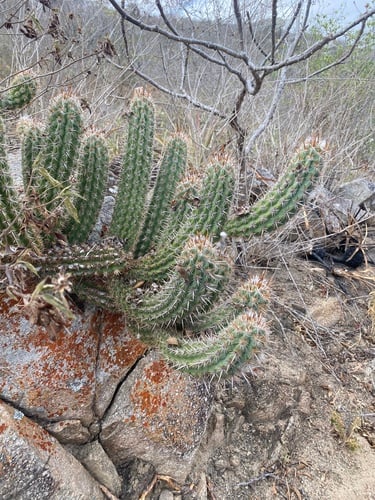
iNaturalist· cc-by-nc
(c) José Daniel Graf Pérez, some rights reserved (CC BY-NC), uploaded by José Daniel Graf Pérez
Summary
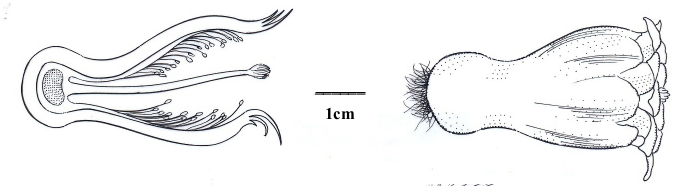
Source: WikipediaPilosocereus alensis, the Sonoran old man cactus, is a species of cactus native to Western Mexico, from Sonora south to Jalisco. The hairs protect the flower buds. Flowers open at night in June and give off the odor of ammonia, attracting bats for pollination. The juicy fruit is tasty.
Description
A tropical cactus in the Cactaceae family, distinctive for its white beard-like appearance and spineless fruit. It grows at elevations between 300-600 m.
Edible Uses
Fruit - raw. Very edible. Somewhat fig-like in appearance, the fruit splits open when ripe to reveal a red pulp. The ovoid to depressed-globose fruit
Distribution
It is a tropical plant. It grows between 300-600 m above sea level.
Where It Grows
Mexico, North America,
Cultivation
Pilosocereus alensis is native to tropical and subtropical, semi-arid regions of western Mexico, where it can be found at elevations up to 800 metres. It seldom experiences frost in its native habitat and shows damage to stem tips even after a short period with a light frost. Requires a sunny position in a well-drained soil. Grows best in an acid soil with a pH below 6.0. The plant usually only crops rather lightly.
Other Information
The fruit are enjoyed.
Synonyms
Also Known As
Matagochi
References (3)
- Martin, P. S. et al, (Eds.), 1998, Gentry's Rio Mayo Plants. The Tropical Deciduous Forest & Environs of Northwest Mexico. University of Arizona Press. p 281
- World Checklist of Useful Plant Species 2020. Royal Botanic Gardens, Kew
- Yetman, D., 2002, The Guarijios of the Sierra Madre: Hidden People of Northwestern Mexico. University of New Mexico Press. p 190