Hieronyma alchorneoides
Allemao
Suradan
iNaturalist· cc-by-nc
(c) João Gava Just, some rights reserved (CC BY-NC), uploaded by João Gava Just
iNaturalist· cc-by-nc
(c) Sébastien SANT, some rights reserved (CC BY-NC), uploaded by Sébastien SANT
iNaturalist· cc-by-nc
(c) Sébastien SANT, some rights reserved (CC BY-NC), uploaded by Sébastien SANT
Description
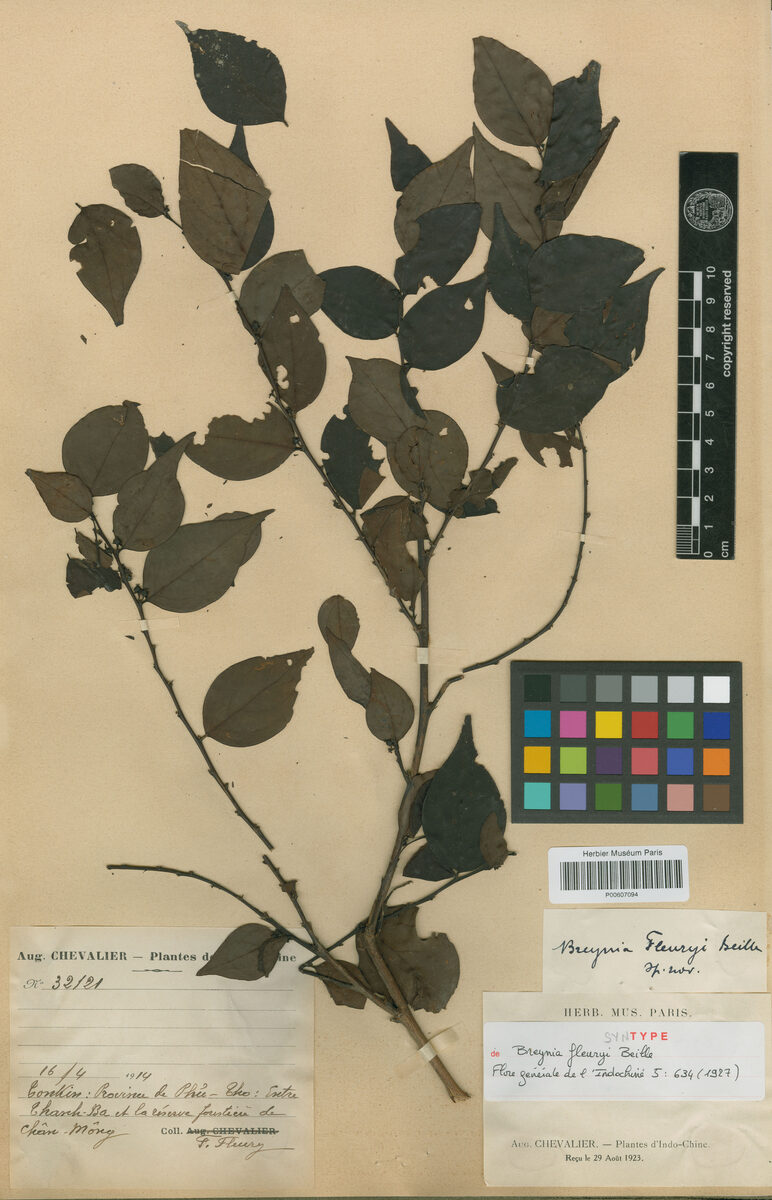
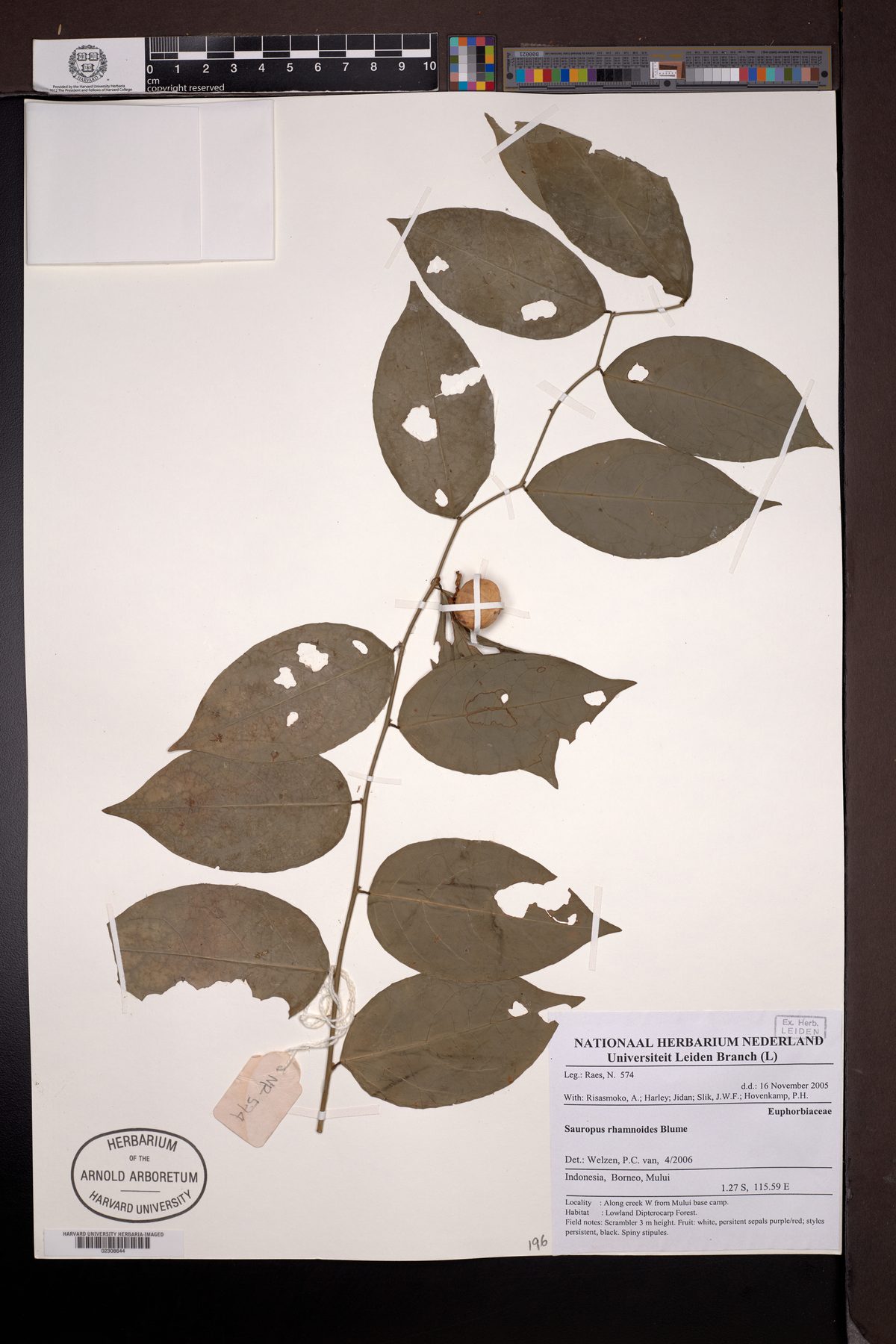
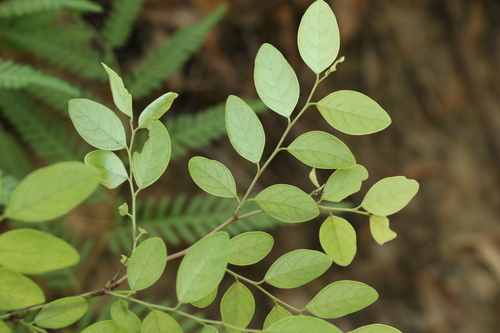
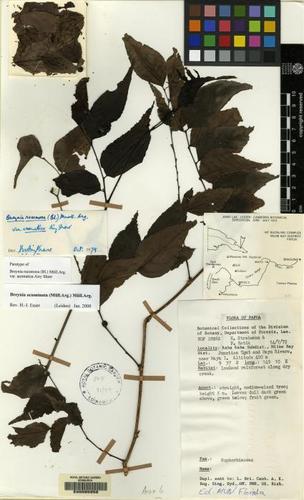
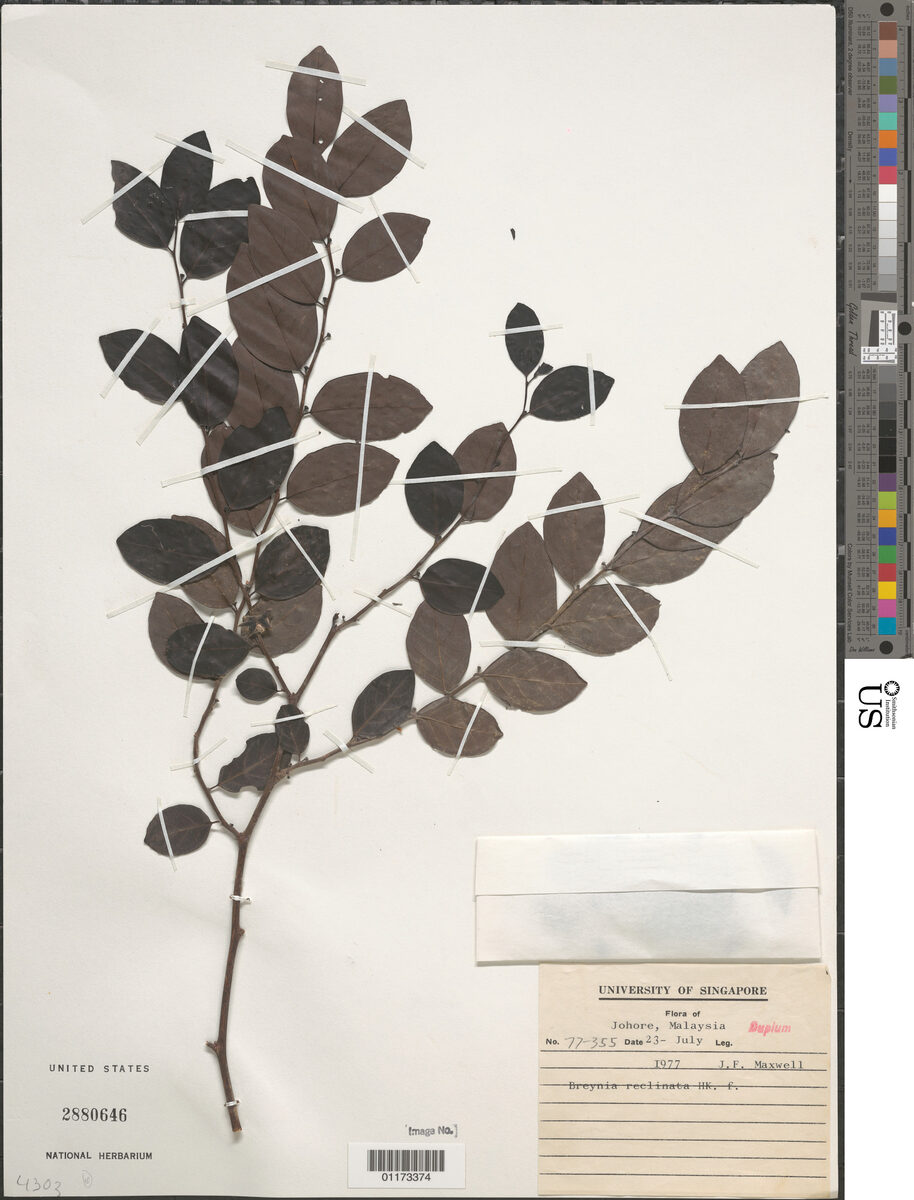
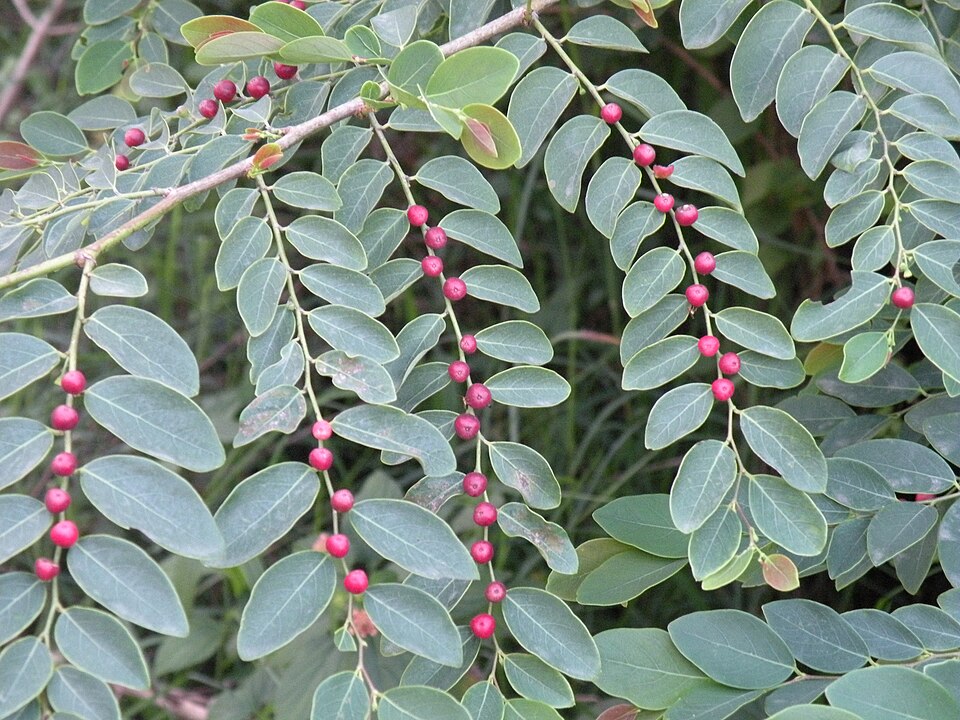
A tree. It can grow 50 m tall. The trunk is straight and 1-1.2 m across. The base has buttresses. It can have stilt roots in flooded forest. The twigs are densely covered with grey hairs when young. The leaves are alternate and the leaf blade is papery. They are broadly oval and 8-18 cm long by 6-13 cm wide. They have grey scales on both sides. Trees are separately male or female. The flowering shoots are 11-20 cm long with clusters of flowers. The fruit is fleshy and red to black. It is round and 3-4 mm long by 3-5 mm wide. There are several had stone in the fruit. They have one seed.
Edible Uses
The fruit is eaten.
Medicinal Uses
The roots are an energic depurative. They are used in patent medicines in various countries. The seeds contain an oil that is effective against intestinal parasites. A decoction of the bark is used to relieve coughs.
Distribution
It is a tropical plant. It grows in lowland tropical forests.
Where It Grows
Bolivia, Central America, Colombia, Costa Rica, Ecuador, Guyana, Mexico, South America*, West Indies,
Cultivation
A tree of the wet, lowland tropics, where it is found at elevations below 900 metres. It grows best in areas where annual daytime temperatures are within the range 24 - 34°c, but can tolerate 20 - 38°c. It can be killed by temperatures of 5°c or lower. It prefers a mean annual rainfall in the range 3,500 - 4,500mm, but tolerates 2,000 - 6,000mm. Succeeds in a sunny position and in dappled shade. The plant is found in the wild on alluvial, clayey or acid soils. It grows well on poor soils and soils that are acidic and seasonally waterlogged. Prefers a pH in the range 4.5 - 5.5, tolerating 4 - 6.5. A fast-growing tree, when grown in a plantation three year old trees were up to 5 metres tall. Trees begin to produce seed when the bole is around 30cm in diameter. Flowering and fruiting often take place twice a year. A dioecious species, both male and female forms need to be grown if seed is required.
Propagation
Seed - it has a viability of 12 months or less and so is best sown when fresh. The seed has no dormancy and can be sown without pre-treatment. Sow in light shade in a nursery seedbed or individual containers. Germination begins after 25 - 30 days and is complete about 60 days after sowing. Prick out the seedlings into individual containers when they are large enough to handle and grow on in light shade. Transplanting must be done carefully as the roots are fragile. Vegetative propagation with pseudocuttings is also possible.
Other Uses
The bark is a source of tannins. The heartwood is very dark brown or reddish brown; it is clearly demarcated from the 4cm thick layer of pinkish white sapwood. The texture is medium or coarse, sometimes uneven; the grain interlocked, giving a striped or ribbon-grain appearance to the wood; lustre is low; when seasoned it is free of odour and taste. The wood contains stones of calcium oxalate. The wood is strong, rather hard, heavy, moderately to very durable and fairly resistant to termites. It works well according to one report, though others say that it is not easy to cut or split. The wood glues well and finishes smoothly but, because of its rather large pores, requires a fair amount of filler to secure a perfect finish. Because of its resistance to decay and marine borers, good strength, pleasing appearance, and fairly good working properties, the wood is well suited for use in marine piling and construction, railway ties, furniture, cabinetwork, decorative veneer, and both light, and heavy construction. It is used extensively for boat construction in Guyana. This species has shown potential for growth on a variety of soils, indicating its suitability for use in the re-vegetation of degraded lands. It has a relatively high allocation of fine roots, making it less likely to experience nutrient limitation under low-fertility conditions. In addition to its tolerance to infertile soils, it grows on acid soils and has a high tolerance for exchangeable aluminium. Trees show good growth and form, and have the ability to self-prune. A high shade tolerance by the lower leaves make the tree suitable for planting in mixed species plantations, where the young trees form the lower stratum in a stratified canopy. In monocultures, the tree achieves 90% interception of incoming solar radiation at 2 years of age suppressing understorey regeneration.
Synonyms
Also Known As
Bidamonkawe, Bokaibo, Chiiri, Cujeje'cho, Ene'co'nao, Gatamonkayi, Guacora, Kalun kalun, Mascarey, Maskarii chi, Maskarii chi tape, Mintal, Motilon, Napo, Pilon, Urucurana
References (4)
- Lopez-Diago, D. & Garcia, N., 2021, Wild edible fruits of Colombia. Biota ColomBiana 22 (2) p 48
- Polak, A. M., 1992, Major Timber Trees of Guyana. A Field Guide. Tropenbos Series 2. Wageningen. p 101 (As Hyeronima)
- Roa, J. A. G. & Boada, D. S. G., 2018, Fundación para el Fortalecimiento de la Fruticultura y Plantas Alimenticias no Convencionales en Colombia.
- Torre, de la, L., et al, 2008, Enciclopedia de las Plantas Útiles del Ecuador. Herbario QCA. Pontificia Universidad Católica del Ecuador. p 489