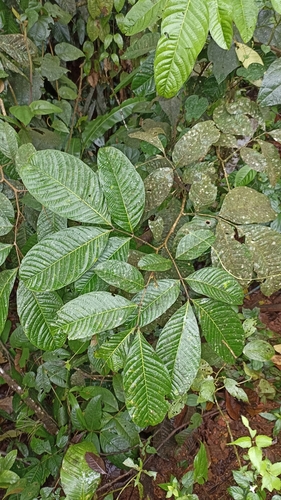
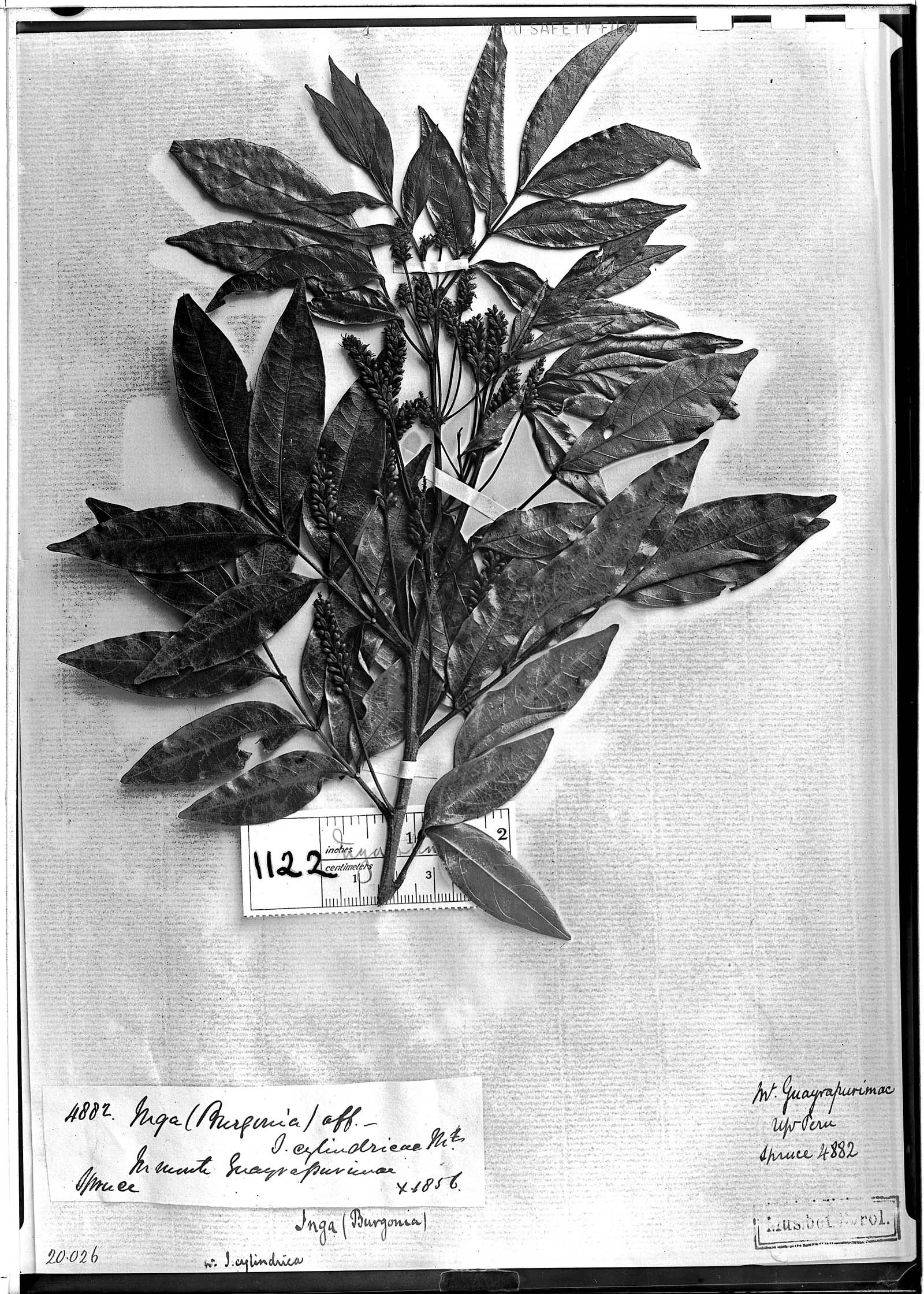
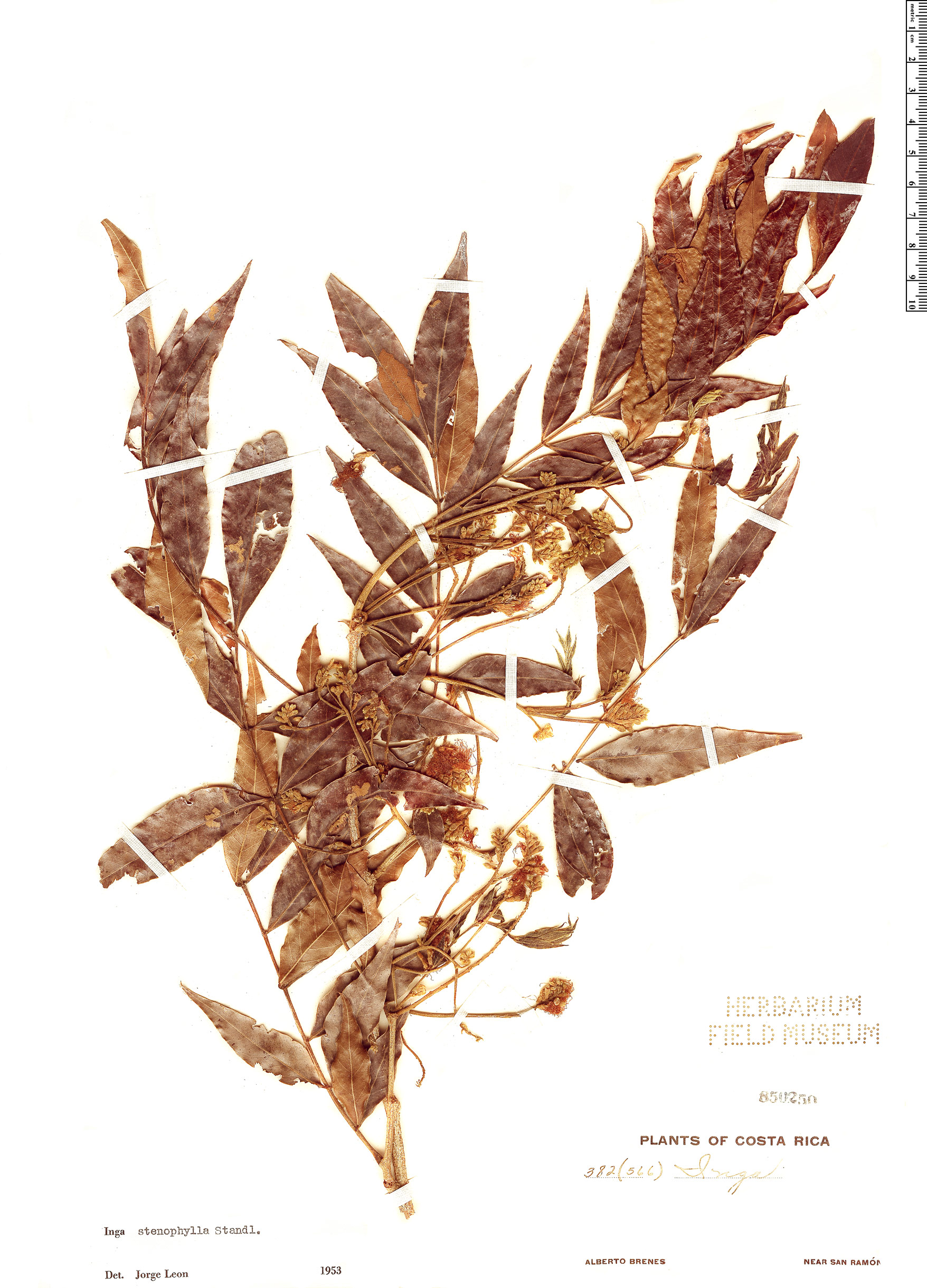
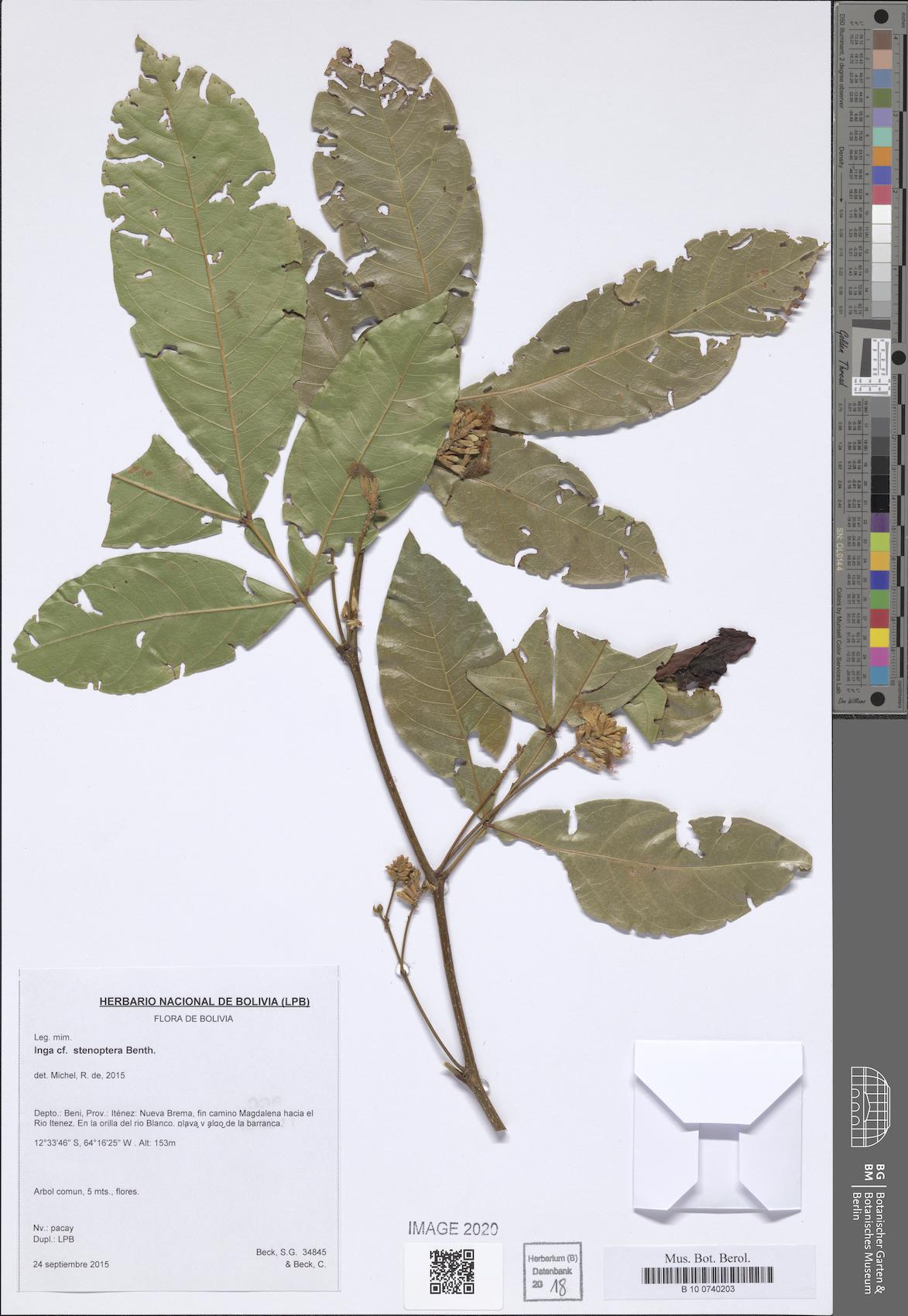
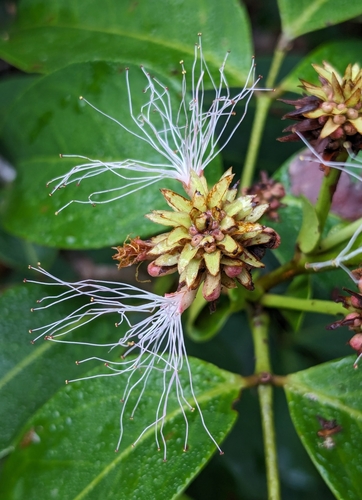
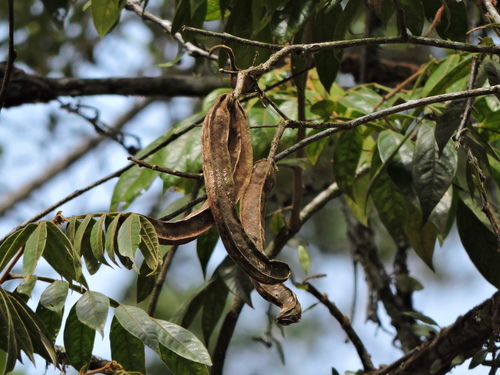
Archidendron pauciflorum
(Benth.) I. Nielsen
Jengkol, Dogfruit tree
iNaturalist· cc-by-nc-sa
(c) Ahmad Fuad Morad, some rights reserved (CC BY-NC-SA)
iNaturalist· cc-by-sa
(c) Ong Jyh Seng, some rights reserved (CC BY-SA), uploaded by Ong Jyh Seng
iNaturalist· cc-by-sa
(c) NusHub, some rights reserved (CC BY-SA)
Summary
Source: WikipediaArchidendron pauciflorum, commonly known as djenkol, jengkol or jering, is a species of flowering tree in the pea family, Fabaceae. It is native to Southeast Asia, where the seeds are also a popular dish. They are mainly consumed in Indonesia, Thailand, Myanmar, and Vietnam, prepared by frying, boiling, or roasting, and eaten raw. The beans are mildly toxic due to the presence of djenkolic acid, an amino acid that causes djenkolism (djenkol bean poisoning). The beans and leaves of the djenkol tree are traditionally used for medicinal purposes, such as purifying the blood. To date, djenkol is traded on local markets only.
Description
A tree. It grows 10-26 m tall. The leaves are compound and the leaflets are narrowly oval and 5-7 cm long by 3-4 cm wide. The pod is 9-12 cm long by 4-5 cm wide and often twisted. The seeds are flattened disks about 3 cm across. There are 5-7 seeds per pod. Some references confuse it with Archidendron jiringa eg Wikipedia
Edible Uses
We have seen one report from Wikipedia saying that the seed of this species is eaten - see notes under photographs. As yet, we are uncertain that this report is correct, it is likely to relate more correctly to Archidendron jiringa, treated separately here but which the Wikipedia article places as a synonym of this species.
Traditional Uses
The seeds are eaten as a vegetable. Caution: They may be risks to kidneys if eaten in large amounts.
This uses section is brief — help expand it
Medicinal Uses
Different parts of the djenkol tree are applied in traditional medicine in Southeast Asia. The raw seeds are thought to purify the blood or cure dysentery. Compresses with young leaves are used for skin problems, and burnt old leaves are believed to relieve itchy feelings. The powder of burnt young leaves is applied to cuts and wounds.
Known Hazards
The Djenkol fruit contains djenkolic acid. Eating the djenkol fruit is linked to cases of hematuria. In a study of school children aged 7-11 in Hat-Yai, Thailand who had hematuria, the children were almost four times as likely to have a history of eating djenkol beans. In the cases of eating djenkol, increasing consumption, time since last consumption, or type of preparation (even after adjustment for sex and age) did not change the risk of having hematuria. In that same study, the conclusion was derived that eating djenkol beans may be defined as one of the probable causes of hematuria. In another report from Indonesia, djenkol consumption can cause hypersaturation of djenkolic acid crystals within the urinary system. That leads to obstructive nephropathy with sludge, stones, or possible spasms. In this report, 96 cases of djenkolism were identified. Recovery for the majority of patients included using hydration, bicarbonate therapy, and pain medication for treatment. Three patients required surgery. Another patient had obstructing djenkolic acid stones and required urethral stinting. Out of the 96 reported cases, four patients died with the final diagnosis as acute kidney failure. In a different study of Australian acacia seeds (Acacia colei, Acacia elecantha, Acacia tumida, and Acacia saligna), the study focused on processing methods to reduce djenkolic acid in the seeds. The study tested the levels of djenkolic acid in the seeds of each species and reported the levels to be similar to the djenkol bean. The conclusion of that study surmised that djenkolic acid levels can be reduced by over 90% through dry roasting at 180°C. The new lower levels of djenkolic acid were safe for human consumption. However, in the Hat-Yai, Thailand study, different types of preparation did not change the risk of having hematuria.
Distribution
It is a tropical plant.
Where It Grows
Asia, Australia, China, India, Indochina, Indonesia, Malaysia, Myanmar, Pacific, SE Asia, Solomon Islands, Sri Lanka, Thailand,
Cultivation
Plants can be grown from seeds.
Other Uses
The fruit is used to make a hair shampoo. The wood is used for light construction, furniture, cabinet work, canoes..
Synonyms
Also Known As
Jariang, Jering, Joring, Karedas, Pohon jengkol
References (5)
- Hariyadi, B., 2008, The Entwined Tree: Traditional Natural Resource Management of Serampas, Jambi, Indonesia. Ph. D thesis. Univ. or Hawaii. p 398
- Pawera, L., et al, 2020, Wild Food Plants and Trends in Their Use: From Knowledge and Perceptions to Drivers of Change in West Sumatra, Indonesia, Foods. 2020, 9, 1240
- Priyadi, H., et al, Five hundred plant species in Gunung Halimun Salak National Park West Java. A checklist including Sundanese names, distribution and use. CIFOR, FFPRI, SLU p 64
- Sukarya, D. G., (Ed.) 2013, 3,500 Plant Species of the Botanic Gardens of Indonesia. LIPI p 135
- World Checklist of Useful Plant Species 2020. Royal Botanic Gardens, Kew