Furcraea andina
Trel.
Fique
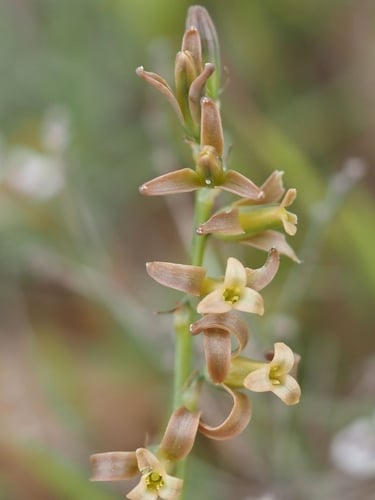
iNaturalist· cc-by-nc
(c) sdcueva4, some rights reserved (CC BY-NC), uploaded by sdcueva4
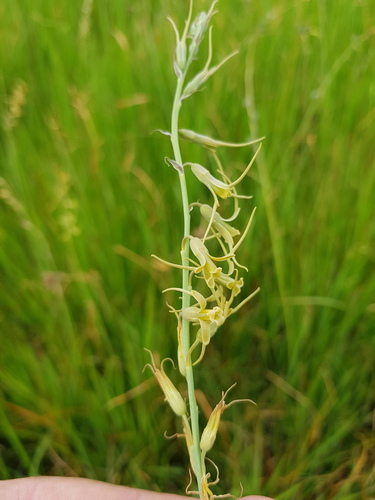
iNaturalist· cc-by-nc
(c) Mony Leon, some rights reserved (CC BY-NC)
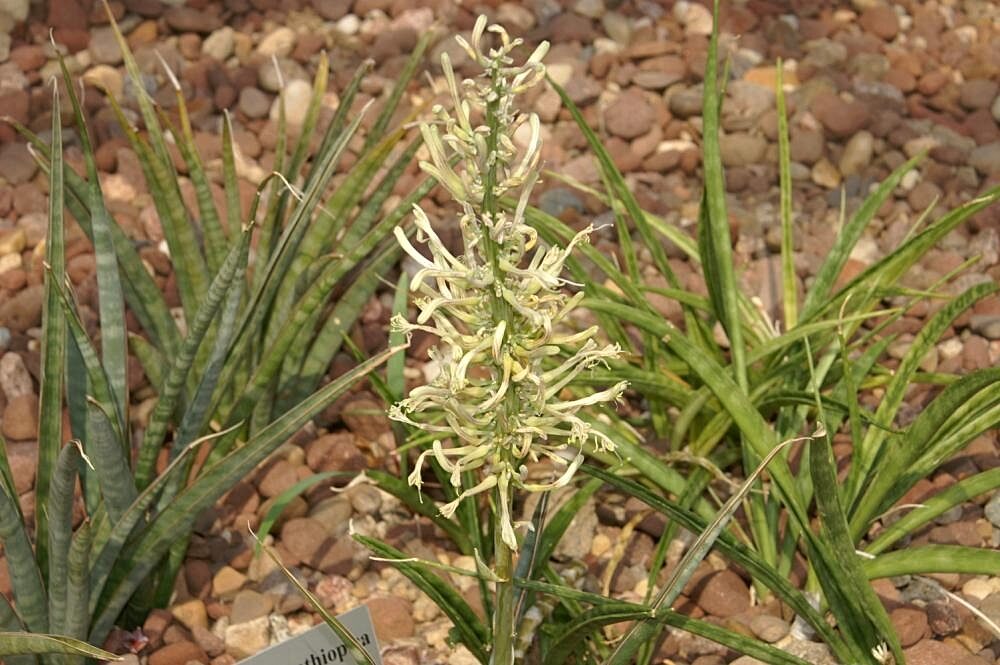
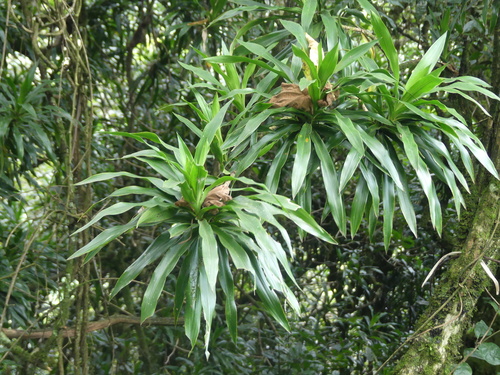
iNaturalist· cc-by-sa
(c) Tony Rebelo, some rights reserved (CC BY-SA), uploaded by Tony Rebelo
Summary
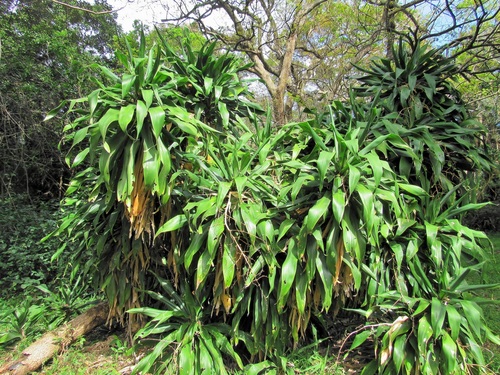
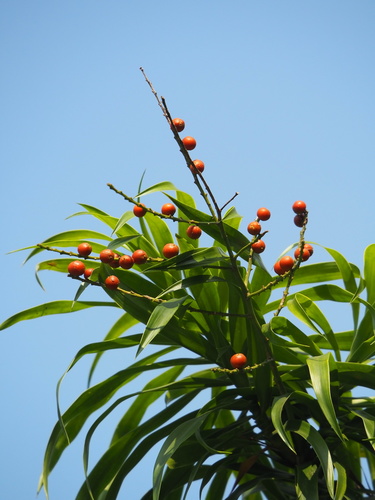
Source: WikipediaFurcraea andina is a species of flowering plant in the family Asparagaceae. It is native to Ecuador, Peru and Bolivia in South America. The fibres in its leaves, known as fique, are used in making ropes.
Description
A fast-growing perennial succulent reaching 2.5 m tall and 1.5 m wide. Hardy to UK zone 10. Thrives in light sandy to medium loamy, well-drained soils with poor nutrition. Tolerates mildly acid to very acid conditions. Requires full sun and handles drought well, adapting to dry or moist soil.
Edible Uses
Young buds are edible and can be pickled. The leaves are used to make a fermented drink. Flowers and leaves are the main edible parts.
Traditional Uses
The young buds are edible. They are pickled. The leaves are used to make a fermented drink.
This uses section is brief — help expand it
Medicinal Uses
The leaves have been used in topical preparations for treating boils. Leaf extract is used against horse lice.
Known Hazards
Spines or sharp edges.
Distribution
It is a tropical plant.
Where It Grows
Andes. Colombia*, Ecuador, Peru, South America,
Cultivation
Requires a sunny position and well-drained soil. Tolerant to arid conditions and soils poor in nutrients, but it requires semi-humid conditions, warm temperature and exposure to sunlight for good development. Prefered pH 5.1–5.4. Carbon Farming Solutions - Cultivation: regional crop. Management: standard (Describes the non-destructive management systems that are used in cultivation).
Propagation
Seeds, bulblets, or cuttings. The best method is via bulbils found on the lower stems.
Other Uses
The leaf fibres are used for packing materials such as sacks and agricultural packages, ropes, tapestry, rugs, handcrafts, purses, bags, handbags, mattresses, curtains, shoes, umbrellas, and baskets. The fibres can be dyed using organic materials including avocado seed, achiote, and eucalyptus bark. Leaf pulp serves as an organic fertilizer and can be processed into paper. Leaf juice is used to make soap, fungicides, homemade tapetusa (an alcoholic beverage), organic fuel, and animal feed. The floral stem is used in constructing houses and ladders. The plant is also used as a living fence in agroforestry contexts. The lamina fibres are not suitable for fine textiles but work well for rope, nets, bags, and rugs.
Notes
The leaves are used for fibre.
Synonyms
Also Known As
Cabui, Cabuya, Chuchao, Coquiza, Maguey, Penca, Penco, Pita
References (2)
- Kew Plants of the World onLine
- Wikipedia