Yucca gloriosa var. tristis
Carriere
Ornamental yucca, Weeping yucca
iNaturalist· cc-by-nc
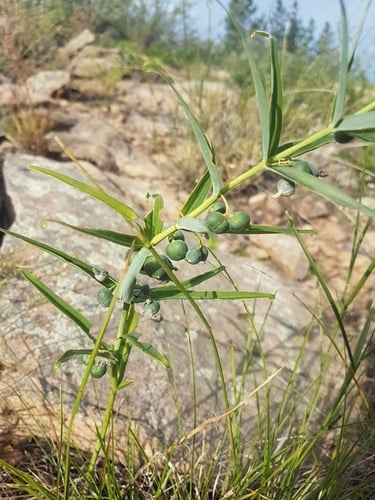
(c) bananenbrotchen, some rights reserved (CC BY-NC)
iNaturalist· cc-by-nc
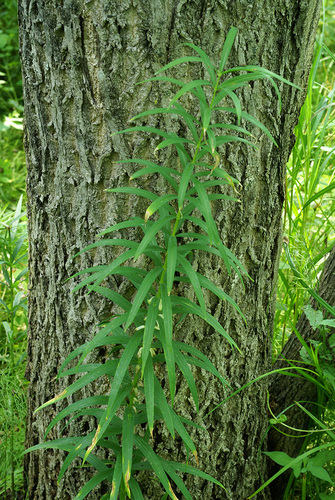
(c) Павел Несмеянов, some rights reserved (CC BY-NC), uploaded by Павел Несмеянов
Summary
Source: WikipediaYucca gloriosa var. tristis (syn. Yucca recurvifolia, Yucca gloriosa var. recurvifolia), known as curve-leaf yucca, curved-leaved Spanish-dagger or pendulous yucca, is a variety of Yucca gloriosa. It is often grown as an ornamental plant, and is native to the southeastern United States, from coastal southeastern Virginia south through Florida and west to Texas. In contrast to Y. gloriosa var. tristis, the leaves of Y. gloriosa var. gloriosa are hard stiff, erect and narrower. Yucca gloriosa var. tristis is often found in sandy habits like coastal sand dunes and beach scrub along with species of Opuntia. Growing a trunk often 1.2 to 1.8 metres (4 to 6 feet) high, this yucca will often branch and sucker to form colonies in the area it is planted in. Cultivated in the warmer areas of Europe and the parts of Australia. In the United States a popular landscape plant in beach resort areas along the lower East Coast from coastal Maryland to Florida. It (or its cultivar(s)) is a recipient of the Royal Horticultural Society's Award of Garden Merit under the Yucca recurvifolia name.
Description
A shrub. It grows 1.2-2.4 m tall and spreads 1.2 m wide. It is robust and can have several stems. The leaves are leathery and bluish-green. They taper. The leaves curve backwards. They are thin and flat on the upper surface. The flowers are large and creamy white. They are bell shaped. They are in tall panicles.
Edible Uses
The flowers can be eaten raw or cooked, and can be dried for use as flavouring. The flowering stems can be cooked and used like asparagus. The fruit is also edible.
Traditional Uses
The flowers are eaten raw or cooked. They can be dried and used for flavouring. The flowering stem can be cooked and used like asparagus.
This uses section is brief — help expand it
Distribution
It suits hardiness zones 8-11.
Where It Grows
Africa, Australia, Britain, Egypt, Europe, North Africa, North America, Turkey, Türkiye, USA,
Notes
There are about 40 Yucca species. Also put in the family Agavaceae.
Synonyms
References (5)
- Cundall, P., (ed.), 2004, Gardening Australia: flora: the gardener's bible. ABC Books. p 1492
- Hibbert, M., 2002, The Aussie Plant Finder 2002, Florilegium. p 310
- Lim, T. K., Edible Medicinal and Non-Medicinal Plants Volume 7 Flowers
- Morley, B. & Everard, B., 1970, Wild Flowers of the World. Ebury press. Plate 168
- Plants for a Future database, The Field, Penpol, Lostwithiel, Cornwall, PL22 0NG, UK. http://www.scs.leeds.ac.uk/pfaf/