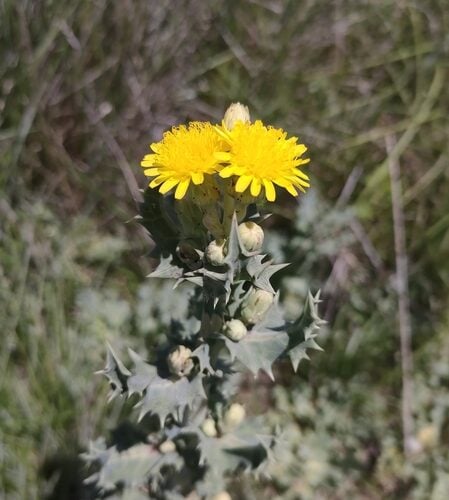
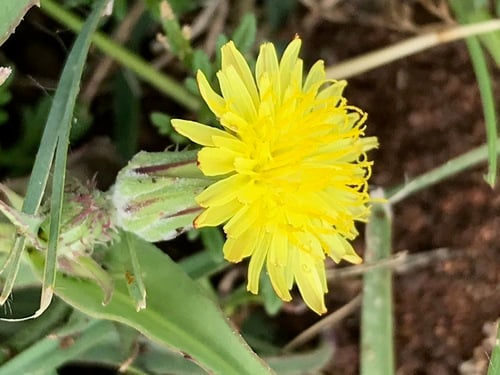
Crepidiastrum sonchifolium
(Maxim.) Pak & Kawano
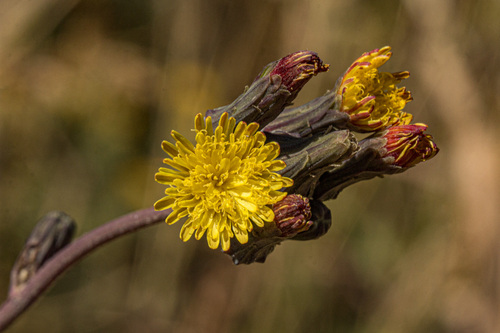
iNaturalist· cc-by-nc
(c) Chuangzao, some rights reserved (CC BY-NC), uploaded by Chuangzao
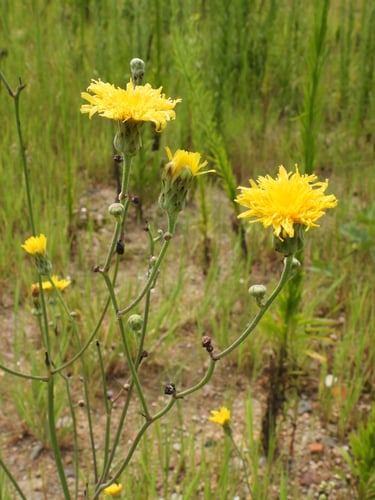
iNaturalist· cc-by-nc
(c) cathikari, some rights reserved (CC BY-NC)
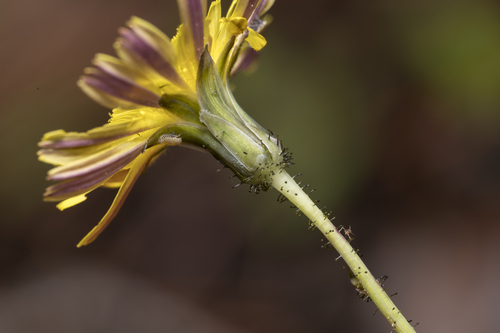
iNaturalist· cc-by-nc
(c) cathikari, some rights reserved (CC BY-NC)
Summary
Source: WikipediaCrepidiastrum sonchifolium, the sonchus-leaf crepidiastrum, is a flowering plant in the family Asteraceae. It is native to East Asia (China, Korea, Mongolia), and is cultivated in Korea. Crepidiastrum sonchifolium is an annual or biennial herb that grows 20–100 cm (7.9–39.4 in) tall. It grows in a variety of habitats including grasslands on mountain slopes, thickets, rocky stream beds, cliffs, and roadsides.
Description
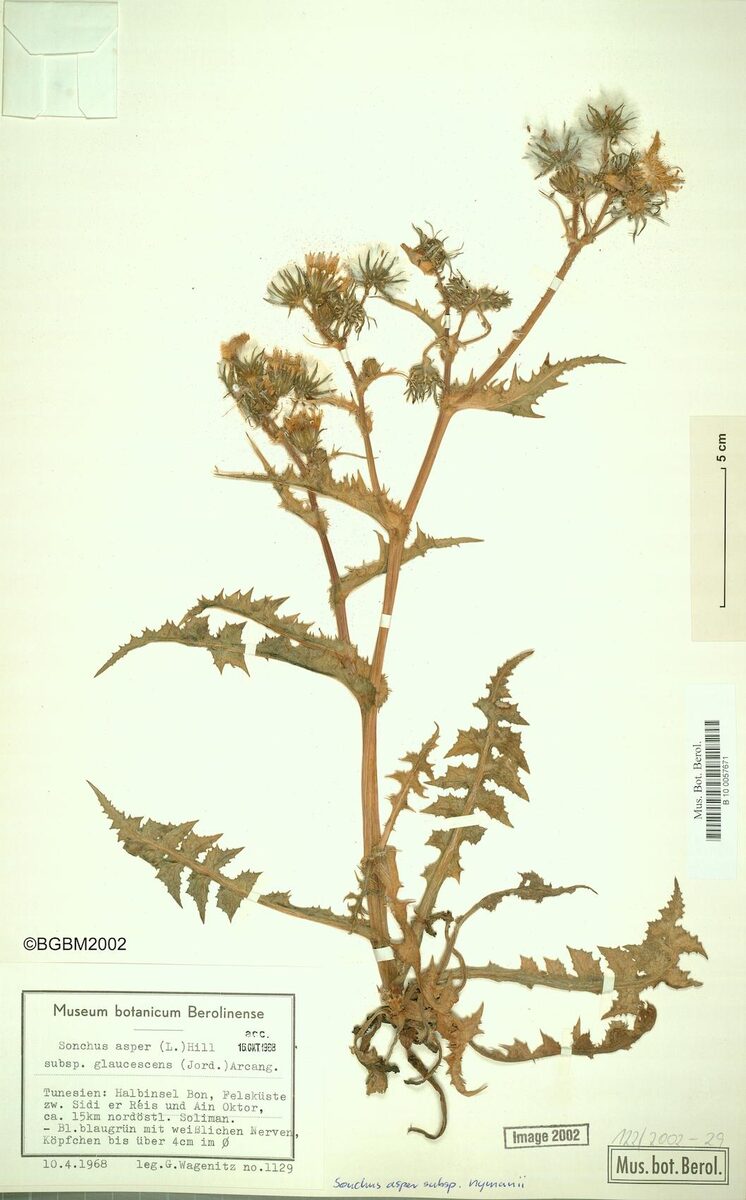
A herb. It grows 20-100 cm tall. It grows for one or to years. The leaves at the base and on the lower stem are oblong or sword shaped and higher leaves are sword shaped and clasp the stem.
Edible Uses
The leaves are used in kimchi, a fermented side dish.
Traditional Uses
The plant is used in a fermented side dish called Kimchi.
This uses section is brief — help expand it
Distribution
It is a temperate plant. In China it grows in grassland on mountain slopes between 100-1,900 m above sea level. In Sichuan.
Where It Grows
Asia, China, Korea, Mongolia, Russia,
Synonyms
Also Known As
Godeulppaegi
References (5)
- Hwang, H., et al, 2013, A Study on the Flora of 15 Islands in the Western Sea of Jeollanamdo Province, Korea. Journal of Asia-Pacific Biodiversity Vol. 6, No. 2 281-310
- Hwang, HS, et al, 2014, Distribution characteristics of plant in the Ungseokbong Mountain, Gyeongsangnam-do, Korea. Journal of Asia-Pacific Biodiversity. 7(2014) e164-e178
- Song, M., et al, 2013, Traditional knowledge of wild edible plants in Jeju Island, Korea. Indian Journal of Traditional Knowledge. 12(2) pp 177-194
- Urgamal, M., Oyuntsetseg, B., Nyambayar, D. & Dulamsuren, Ch. 2014. Conspectus of the vascular plants of Mongolia. (Editors: Sanchir, Ch. & Jamsran, Ts.). Ulaanbaatar, Mongolia. “Admon“ Press. 334pp. (p. 199-230).
- World Checklist of Useful Plant Species 2020. Royal Botanic Gardens, Kew