Rhynchosia filipes
Benth.
gbif· cc-by
Royal Botanic Gardens, Kew
gbif· cc-by
Royal Botanic Gardens, Kew
gbif· cc-by
Royal Botanic Gardens, Kew
Description
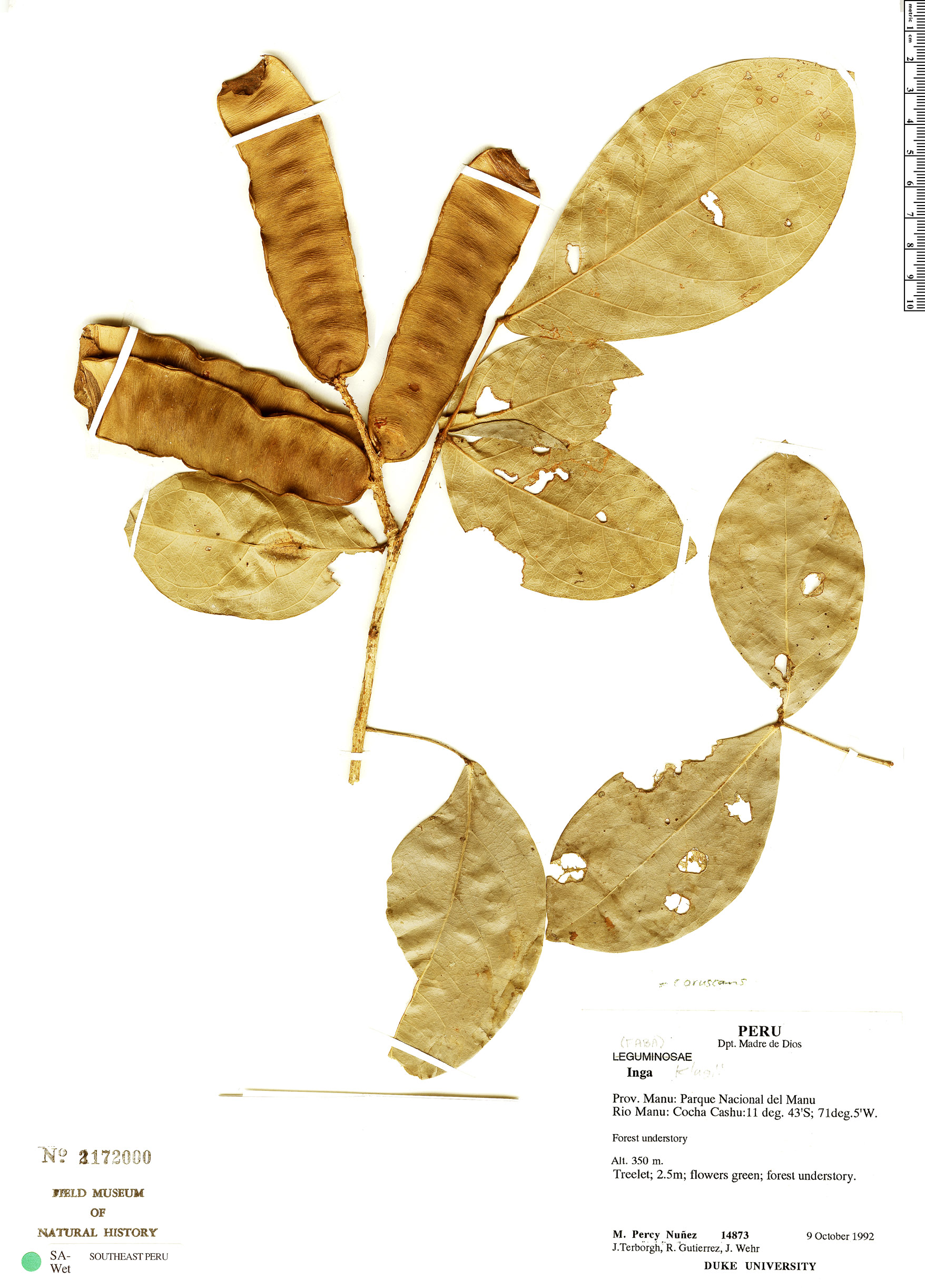
A small shrub or herb. It is trailing and has thin stems. The leaves are alternate and have 3 leaflets. The leaflets are 6.5 cm long. They are white and velvety underneath. They have a sharp tip. The flowers are moderate size of thin stalks. The fruit is a 2 seeded oblong pod. It is 1.3 cm long. It has soft hairs.
Edible Uses
The seeds are edible.
Distribution
It is a tropical plant. It grows in evergreen forests and grasslands.
Where It Grows
Asia, India,
Propagation
Like many species within the family Fabaceae, once they have ripened and dried the seeds of this species may benefit from scarification before sowing in order to speed up and improve germination. This can usually be done by pouring a small amount of nearly boiling water on the seeds (being careful not to cook them!) and then soaking them for 12 - 24 hours in warm water. By this time they should have imbibed moisture and swollen - if they have not, then carefully make a nick in the seedcoat (being careful not to damage the embryo) and soak for a further 12 hours before sowing.
Other Uses
We have seen no specific entry for this species, but all members of this genus have at least some merit for use as a ground cover and in local soil conservation projects.
Production
In south India plants flower and fruit in January to March.
Also Known As
Kattuthuvarai
References (2)
- Arinathan, V., et al, 2007, Wild edibles used by Palliyars of the western Ghats, Tamil Nadu. Indian Journal of Traditional Knowledge. 6(1) pp 163-168
- Salvi, J. et al, 2016, A review: Underutilized wild edible plants as a potential source of alternative nutrition. International Journal of Botany Studies. Volume 1; Issue 4; May 2016; Page No. 32-36