Trifolium ambiguum
M. Bieb.
Caucasian clover
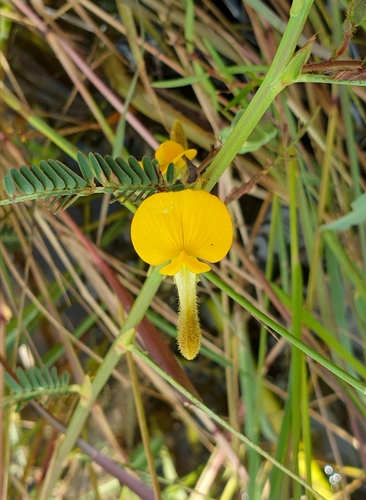
iNaturalist· cc-by
(c) Юрий Данилевский (Yuriy Danilevsky), some rights reserved (CC BY), uploaded by Юрий Данилевский (Yuriy Danilevsky)
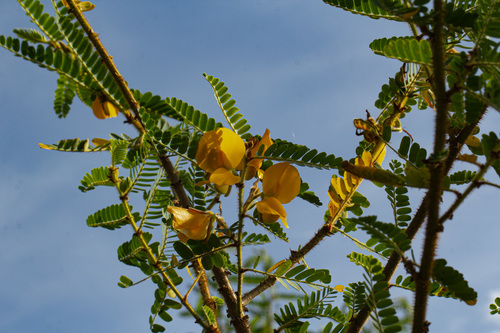
iNaturalist· cc-by-nc-sa
(c) Marco Schmidt, some rights reserved (CC BY-NC-SA)
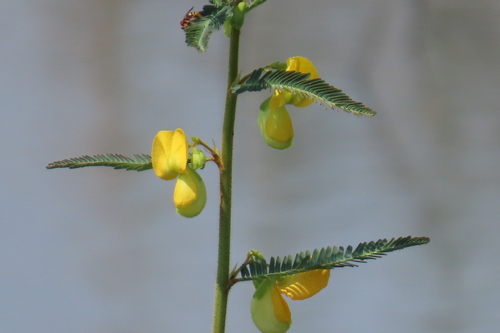
iNaturalist· cc-by-nc
(c) Gennadiy Okatov, some rights reserved (CC BY-NC)
Summary
Source: WikipediaTrifolium ambiguum, the kura clover or Caucasian clover, is a species of flowering plant in the family Fabaceae. It is native to Ukraine, Crimea, south European Russia, the northern Caucasus, eastern Turkey, Iraq, and Iran, and has been introduced to New South Wales. Planted for forage, once established it is tolerant of close grazing, and is also useful for honey production.
Description
Caucasian clover is a temperate herb in the legume family (Fabaceae) that is cultivated for food. It is a member of the clover genus Trifolium.
This description is brief — help expand it
Edible Uses
The flowers are eaten raw.
Traditional Uses
The flowers are eaten raw.
This uses section is brief — help expand it
Distribution
It is a temperate plant.
Where It Grows
Caucasus, Turkey, Türkiye,
Other Information
It is cultivated.
Synonyms
Also Known As
Almaotu, Pisikkulagi
References (3)
- Cakir, E. A., 2017, Traditional knowledge of wild edible plants of Iğdır Province (East Anatolia, Turkey). Acta Soc Bot Pol. 2017;86(4):3568
- Ertug, F, Yenen Bitkiler. Resimli Türkiye Florası -I- Flora of Turkey - Ethnobotany supplement
- Zeven, A. C. & de West, J. M. J., 1982, Dictionary of cultivated plants and their regions of diversity. Wageningen. p 96