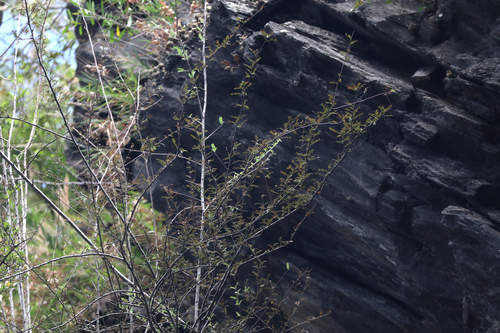
Sorbus hemsleyi
(C.K.Schneid.) Rehder
gbif· cc-by
Royal Botanic Gardens, Kew
gbif· cc0
Conveyor Belt
gbif· cc-by
Royal Botanic Gardens, Kew
Summary
Source: WikipediaSorbus hemsleyi is a species of whitebeam native to central China. It is a small, erect deciduous tree to 4 m (13 ft) in height, with grey-green leaves and white flowers followed by brown fruit. The fruit are a major component of the diet of the yellow-throated marten (Martes flavigula). The cultivar 'John Bond' has gained the Royal Horticultural Society's Award of Garden Merit as an ornamental.
Description
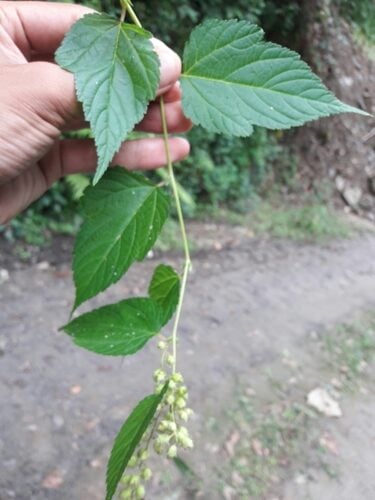
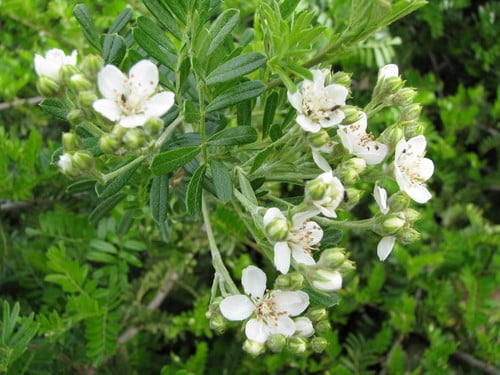
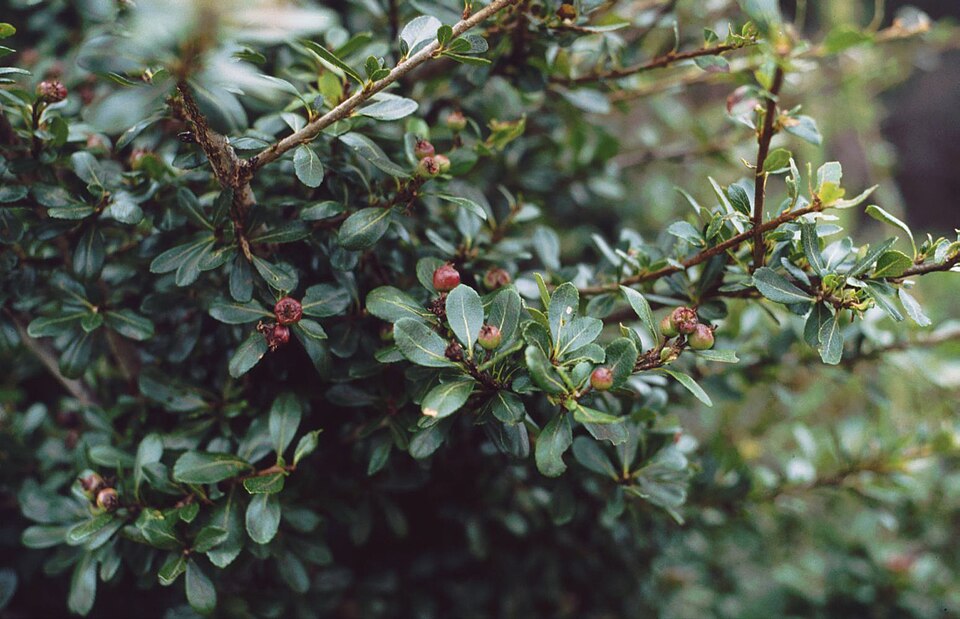
A shrub or small tree. It grows 7-10 m tall. The leaves are simple and narrowly oval. They are 5-11 cm long by 3-6 cm wide. The flowers are in compound groups at the ends of the branches. These are 3-4 cm long by 4-5 cm wide. There are 20-30 flowers in a group. The flowers are about 1 cm across. The fruit is a flattened round shape and 5-8 mm across.
Edible Uses
The fruit is eaten raw.
Traditional Uses
The fruit are eaten raw.
This uses section is brief — help expand it
Distribution
It is a temperate plant. It grows on slopes in dry forests and in evergreen broad-leaved forests between 900-3,200 m above sea level. In Sichuan and Yunnan.
Where It Grows
Asia, China,
Production
In China plants flower in May and June and fruit in July to September.
Synonyms
Also Known As
Emaiji, Huang mai hua qiu
References (3)
- Geng, Y., et al, 2016, Traditional knowledge and its transmission of wild edibles used by the Naxi in Baidi Village, northwest Yunnan province. Journal of Ethnobiology and Ethnomedicine. 12:10
- Kang, Y., et al, 2014, Wild food plants used by the Tibetans of Gongba Valley (Zouqu country, Gansu, China) Journal of Ethnobiology and Ethnomedicine 10:20 (As Sorbus xanthoneura)
- www.efloras.org Flora of China Volume 9