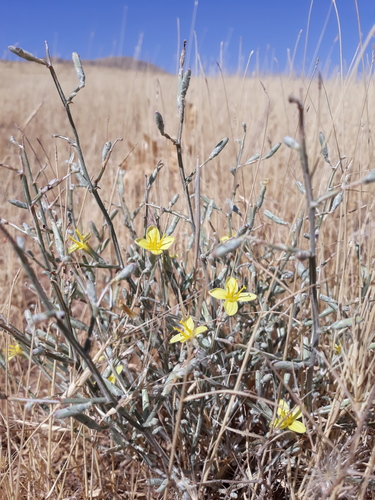
Cirsium sieboldii
Miq.
iNaturalist· cc-by-nc
(c) 空猫 T. N, some rights reserved (CC BY-NC), uploaded by 空猫 T. N
iNaturalist· cc-by-nc
(c) 空猫 T. N, some rights reserved (CC BY-NC)
Summary
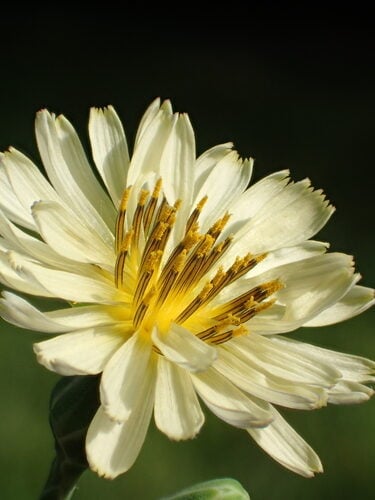
A perennial thistle growing to 0.9 m tall with hermaphroditic flowers from August to October; seeds ripen September to November. Self-fertile and pollinated by bees, flies, moths, butterflies, and beetles. Adapts to light sandy, medium loamy, or heavy clay soils in mildly acidic to basic conditions. Requires full sun and tolerates moist or wet soil.
Description
A perennial thistle growing to 0.9 m tall with hermaphroditic flowers from August to October; seeds ripen September to November. Self-fertile and pollinated by bees, flies, moths, butterflies, and beetles. Adapts to light sandy, medium loamy, or heavy clay soils in mildly acidic to basic conditions. Requires full sun and tolerates moist or wet soil.
Edible Uses
The root is edible cooked. It is stout with well-developed rhizomes and is likely to be rich in inulin, a starch that cannot be digested by humans. This starch passes straight through the digestive system and, in some people, ferments to produce flatulence. Young plants can also be eaten cooked.
Medicinal Uses
None known
Distribution
It is a temperate plant.
Where It Grows
Asia, Japan,
Cultivation
We have very little information on this species and do not know if it will be hardy in Britain, though judging by its native range it should succeed outdoors in many parts of this country. The following notes are based on the general needs of the genus. An easily grown plant, succeeding in any ordinary garden soil in a sunny position.
Propagation
Sow seed in early spring or autumn in situ. Germination usually takes place within 2–8 weeks at 20°C. Can also be propagated by division in spring or autumn.
Other Uses
The seed, as with all thistle species, yields a good oil by expression. No details of potential yields are given.
Notes
There are about 150-250 Cirsium species. They grow in temperate regions.
Synonyms
References (1)
- Plants for a Future database, The Field, Penpol, Lostwithiel, Cornwall, PL22 0NG, UK. http://www.scs.leeds.ac.uk/pfaf/