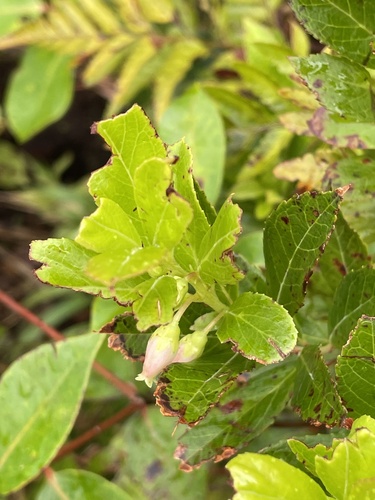
Ledum palustre subsp. groenlandicum
(Oeder) Hulten
Labrador tea
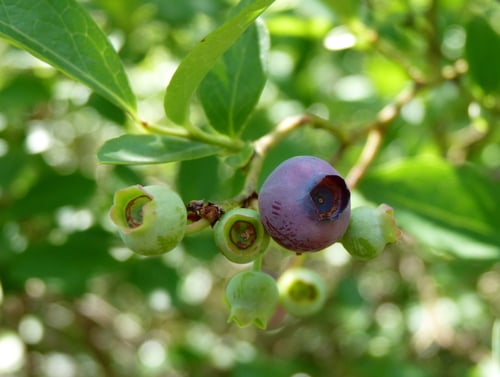
iNaturalist· cc-by-nc
(c) James Mickley, some rights reserved (CC BY-NC)
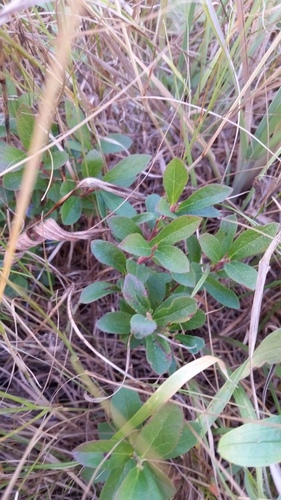
iNaturalist· cc-by-nc
(c) pfaucher, some rights reserved (CC BY-NC)
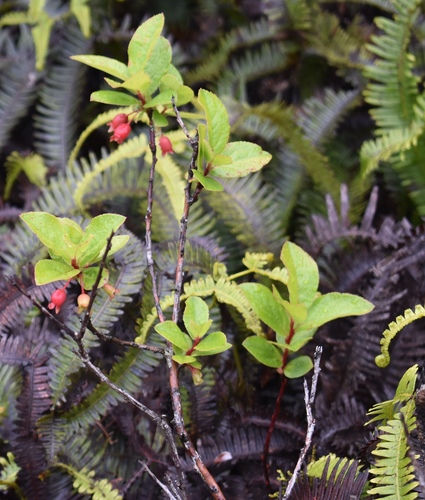
iNaturalist· cc-by-sa
(c) CatherineK, some rights reserved (CC BY-SA)
Description
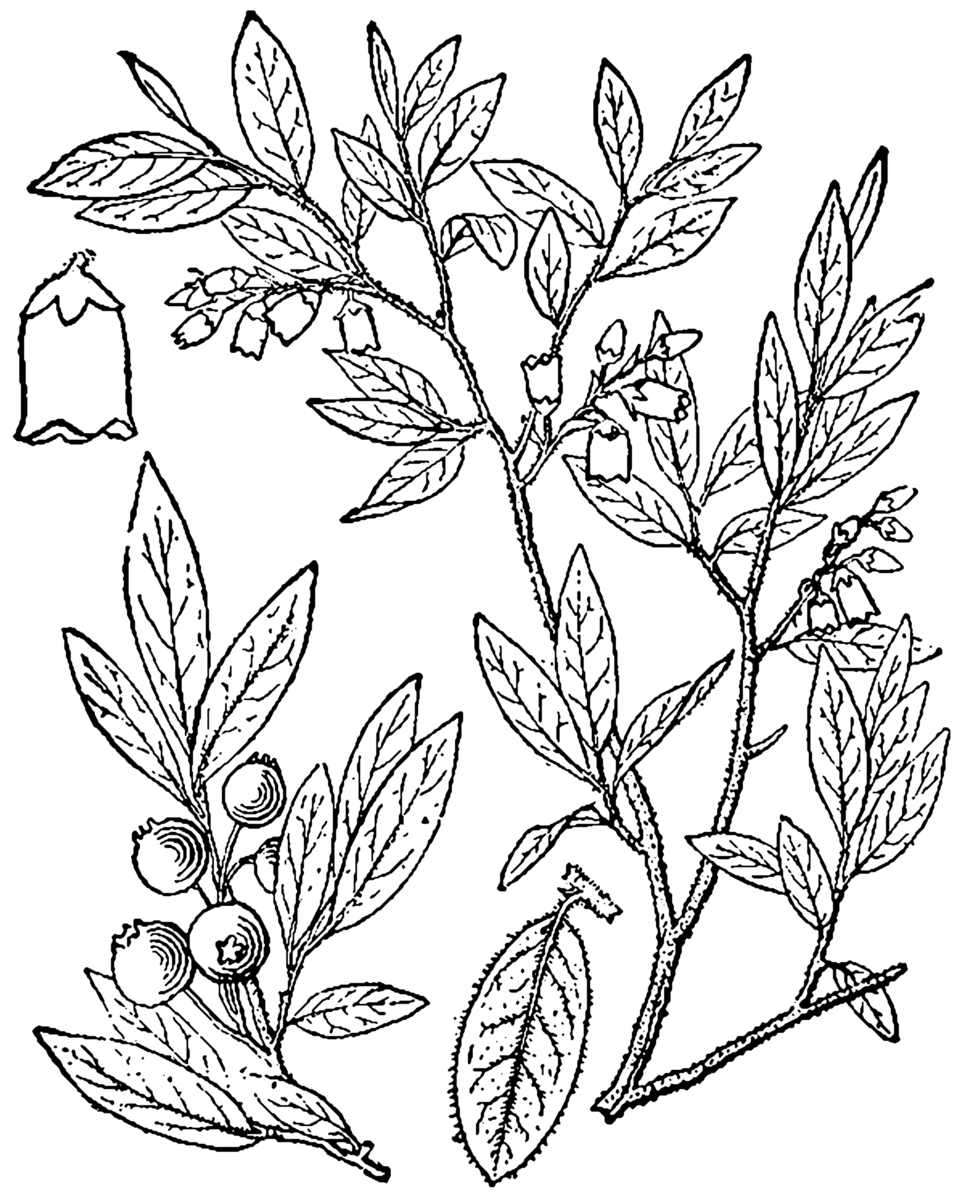
A shrub. It has deep underground stems or rhizomes. The branches are erect. It grows 1 m tall. The leaves are alternate and simple. They are narrowly oval and 2-5 cm long by 1-2 cm wide. They are dull dark green above. It keeps its leaves throughout the year. The leaves are curled under at the edge. They are rusty brown underneath. The flowers are white. They are in groups at the top of the plant.
Edible Uses
The leaves and flowers are used for tea. Leaves must be dried before use, then boiled.
Traditional Uses
The leaves must be dried before being used for tea. They are then boiled and used for tea.
This uses section is brief — help expand it
Medicinal Uses
Used traditionally as a tea.
Distribution
It is a cold temperate plant. It grows in moist acid soils that are low in nutrients.
Where It Grows
Alaska, North America, USA,
Cultivation
It can be grown from seed. It is commonly grown from the underground rhizomes.
Production
It is slow growing.
Synonyms
Also Known As
Bog tea
References (5)
- Kermath, B. M., et al, 2014, Food Plants in the Americas: A survey of the domesticated, cultivated and wild plants used for Human food in North, Central and South America and the Caribbean. On line draft. p 476
- Kuhnlein, H. V., et al, 2009, Indigenous Peoples' food systems. FAO Rome p 33 (As Ledum groenlandicum)
- Porsild, A.E., 1953, Edible Plants of the Arctic, Arctic 6:15-34, page 31
- Reis, S. V. and Lipp, F. L., 1982, New Plant Sources for Drugs and Foods from the New York Botanical Garden herbarium. Harvard. p 227 (As Ledum groenlandicum)
- www.wildediblefood.com (As Ledum groenlandicum)