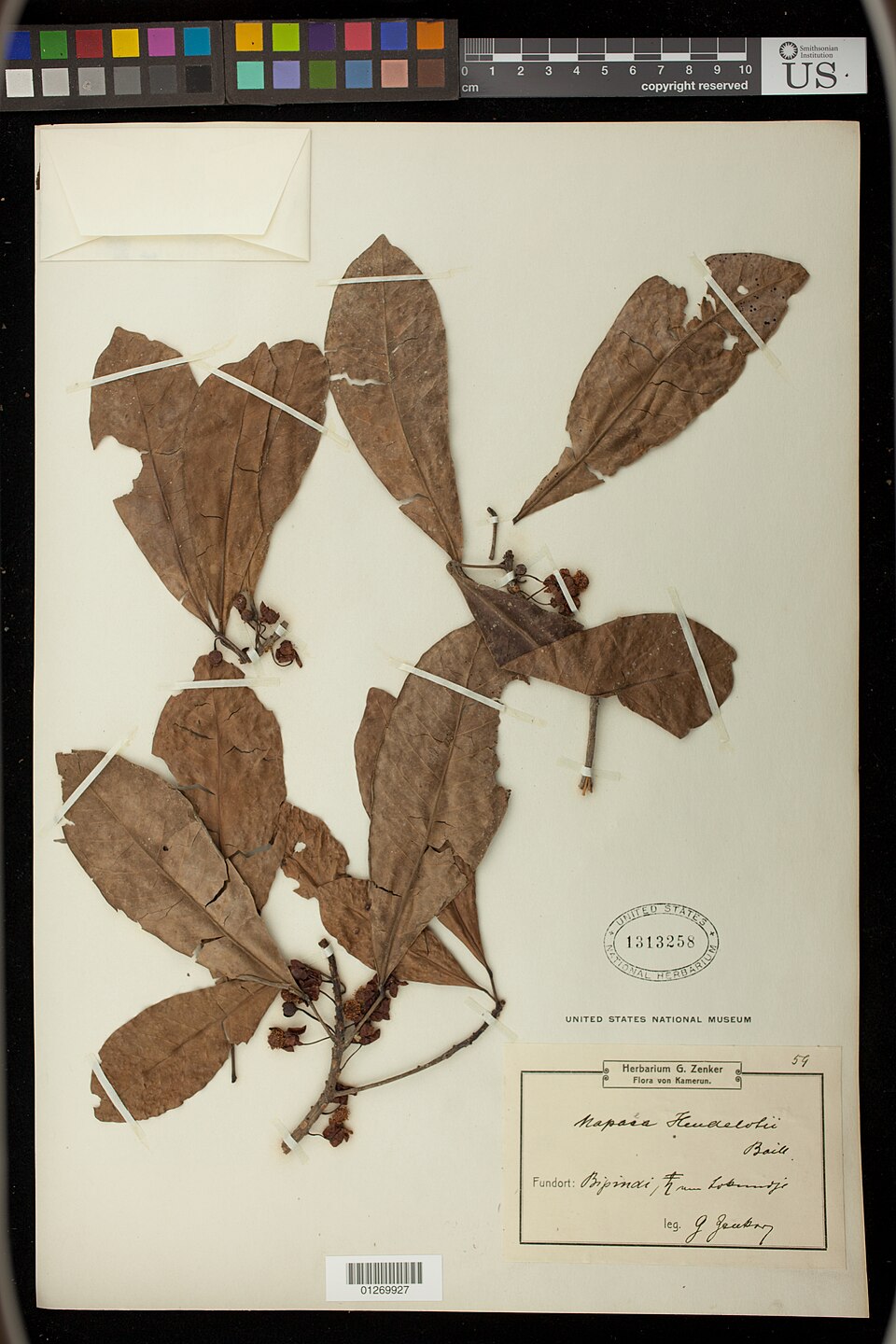
Breynia cernua
(Poir.) Mull.Arg.
iNaturalist· cc-by-nc
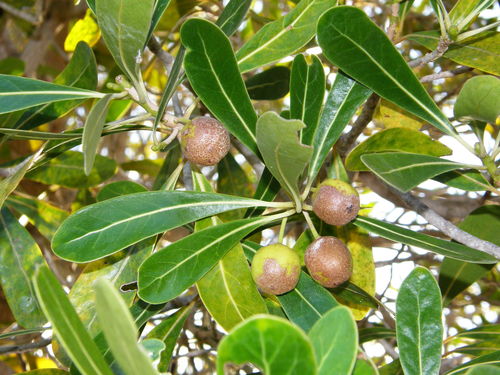
(c) kerrycoleman, some rights reserved (CC BY-NC), uploaded by kerrycoleman
iNaturalist· cc-by
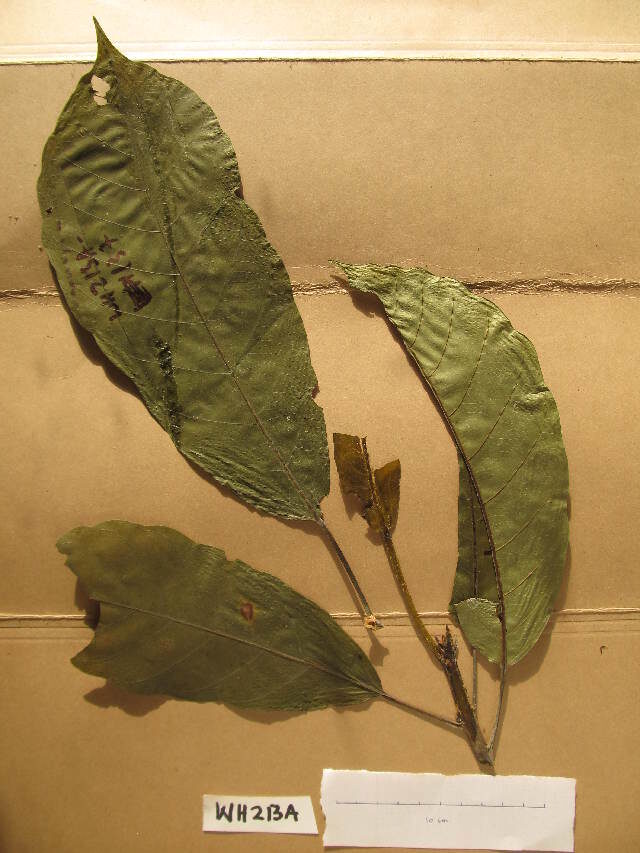
(c) Matthew Borella, some rights reserved (CC BY), uploaded by Matthew Borella
iNaturalist· cc-by-sa
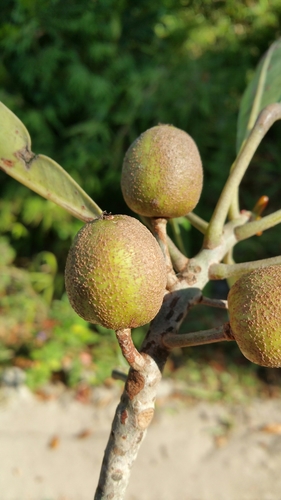
(c) Steve Fitzgerald, some rights reserved (CC BY-SA), uploaded by Steve Fitzgerald
Summary
Source: WikipediaBreynia cernua is a species of flowering plant that grows naturally in Australia and Malesia as a shrub up to 2 m (7 ft) in height. It is presumably dependent on leafflower moths (Epicephala spp.) for its pollination, like other species of tree in the genus Breynia. The species is known by the rather unfortunate name of fart bush.
Description
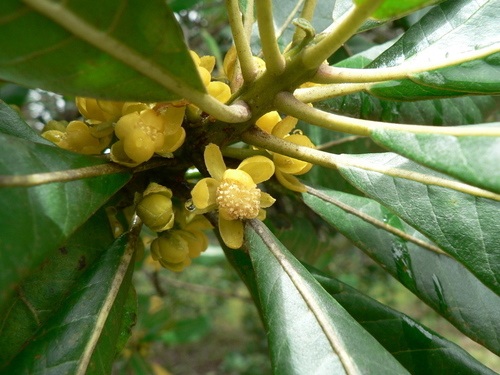
A shrub. It grows 1-2 m tall. The leaves are arranged along a twig to make them look like a compound leaf. The leaves are 25-40 cm long by 15-23 mm wide. The male flowers form a column in the centre of the flower. The fruit are 5-8 mm across.
Edible Uses
The ripe fruit are eaten, though use is probably very minor.
Traditional Uses
The ripe fruit are eaten.
This uses section is brief — help expand it
Medicinal Uses
The leaves are used as medicine.
Distribution
It is a tropical plant. In northern Australia it grows up to 800 m above sea level.
Where It Grows
Asia, Australia, Indonesia, Malaysia, Papua New Guinea, PNG, Philippines, SE Asia, Timor Leste,
Cultivation
A very variable species.
Other Information
Fruit use probably very minor.
Notes
The leaves are used as medicine. Also put in the family Euphorbiaceae. This name may be changed to Phyllanthus.
Synonyms
Also Known As
Bagbagotot, Gagilamo, Gambiran, Gamer, Gembiran, Imer, Matang-ulang, Pilpil, Pipul
References (1)
- Reis, S. V. and Lipp, F. L., 1982, New Plant Sources for Drugs and Foods from the New York Botanical Garden herbarium. Harvard. p 154