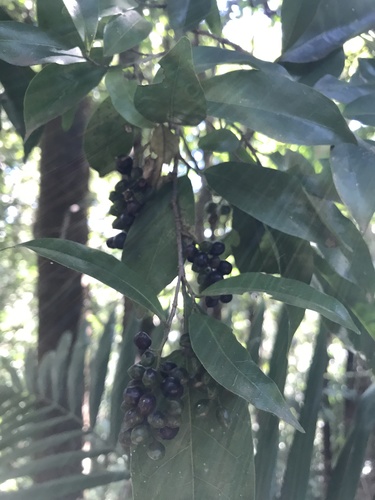
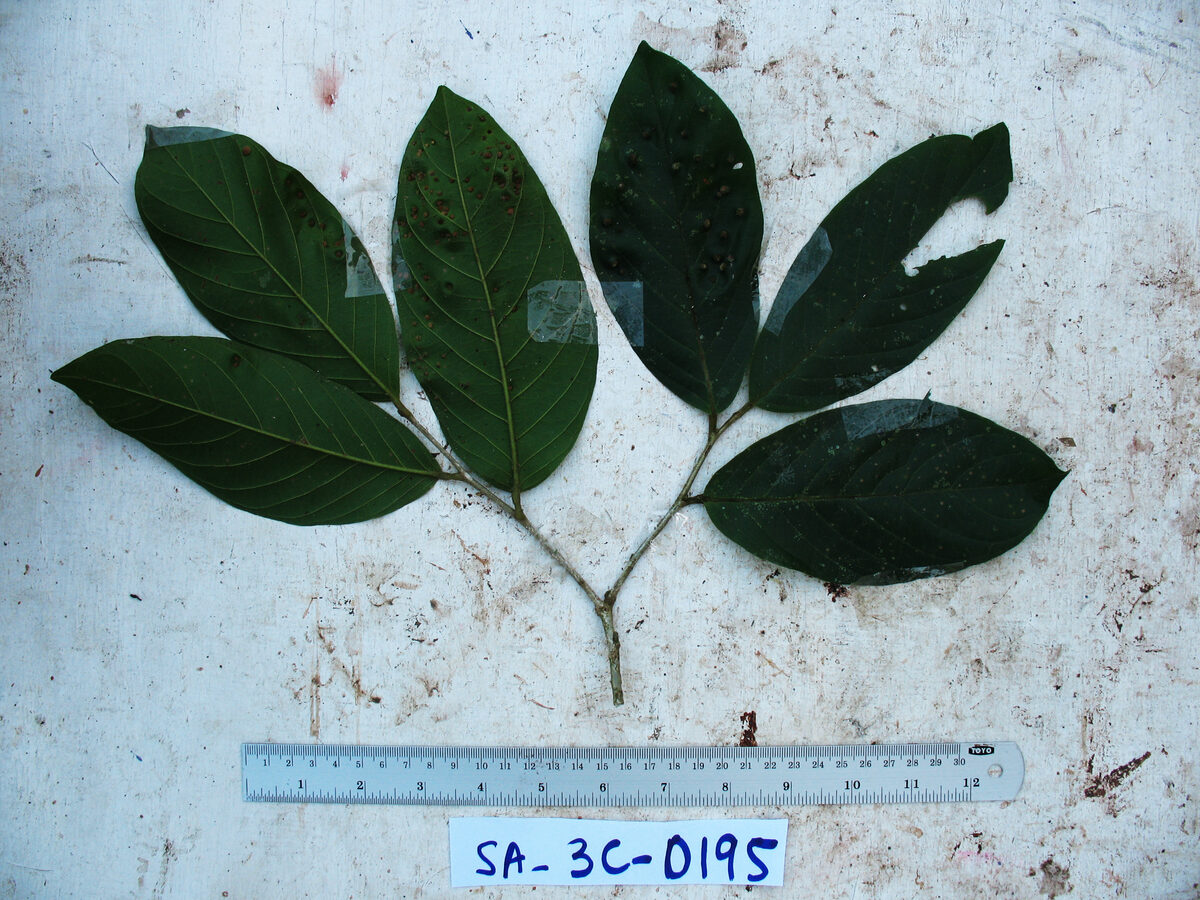
Uapaca bojeri
Baill.
Tapia
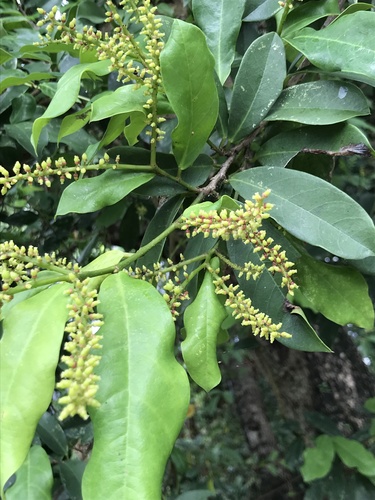
iNaturalist· cc-by-nc-nd
(c) Rafael Medina, some rights reserved (CC BY-NC-ND)
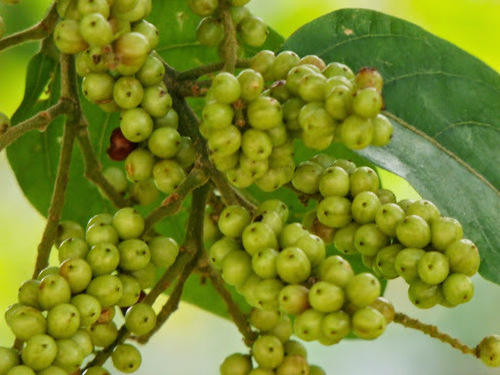
iNaturalist· cc-by-nc-nd
(c) Rafael Medina, some rights reserved (CC BY-NC-ND)
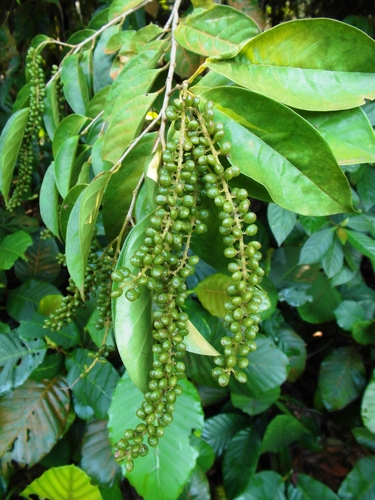
iNaturalist· cc-by-nc-nd
(c) Rafael Medina, some rights reserved (CC BY-NC-ND)
Summary
Source: WikipediaUapaca bojeri, or tapia (Malagasy pronunciation: ta-pee), is a tree species endemic to Madagascar. A characteristic element of the Madagascan flora, it occurs in the central highlands, where it dominates a type of sclerophyllous forest or woodland. Tapia forest has a high ecological value due to the fauna, flora, and funga it harbours, and is of economic interest to the local population, e.g. for collection of tapia fruits, firewood, mushrooms or wild silkworms, and hunting. Local impact through fire and cutting is seen as a form of sustainable use however tapia woodlands are now found only in scattered, isolated stands totaling at most 132,255 ha. Native woody vegetation of the central highlands is increasingly replaced by grasslands, primarily due to increased fire frequency as areas are burned annually.
Description
A tropical African tree producing edible fruit; one of approximately 60 Uapaca species native to Africa.
This description is brief — help expand it
Edible Uses
The fruit is eaten.
Medicinal Uses
Tapia trees and the forests they form are used for several purposes by local communities. The edible fruits are collected once fallen, while a taboo (fady) prohibits plucking them directly from the tree. Fruits are not only consumed in local households but also marketed. The cocoons of the tapia silkworm Borocera cajani (in Malagasy landibe) are also collected and used for the production of silk, traditionally used for burial shrouds. This wild silk equally has a local market importance. Other uses include the collection of fuelwood, mushrooms, berries, edible insects, herbal medicines, and hunting (including two species of tenrec).
Distribution
A tropical plant.
Where It Grows
Africa, East Africa, Madagascar,
Notes
There are about 60 Uapaca species. They are in Africa. These were previously in the Euphorbiaceae.
Synonyms
References (1)
- Schatz, G.E., 2001, Generic Tree Flora of Madagascar. Royal Botanical Gardens, Kew and Missouri Botanical Garden. p 167