Atalantia racemosa
Wight ex Hook.
iNaturalist· cc-by-nc
(c) Aditya Gadkari, some rights reserved (CC BY-NC), uploaded by Aditya Gadkari
iNaturalist· cc-by-nc
(c) Aditya Gadkari, some rights reserved (CC BY-NC), uploaded by Aditya Gadkari
iNaturalist· cc-by-nc
(c) Aditya Gadkari, some rights reserved (CC BY-NC), uploaded by Aditya Gadkari
Description
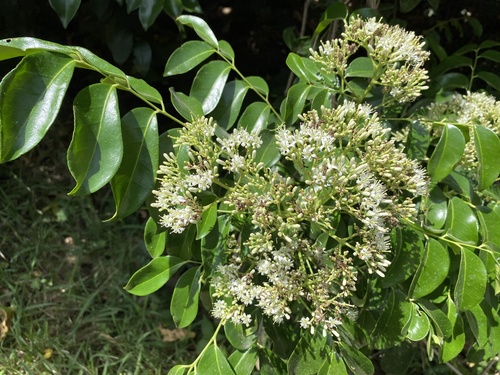
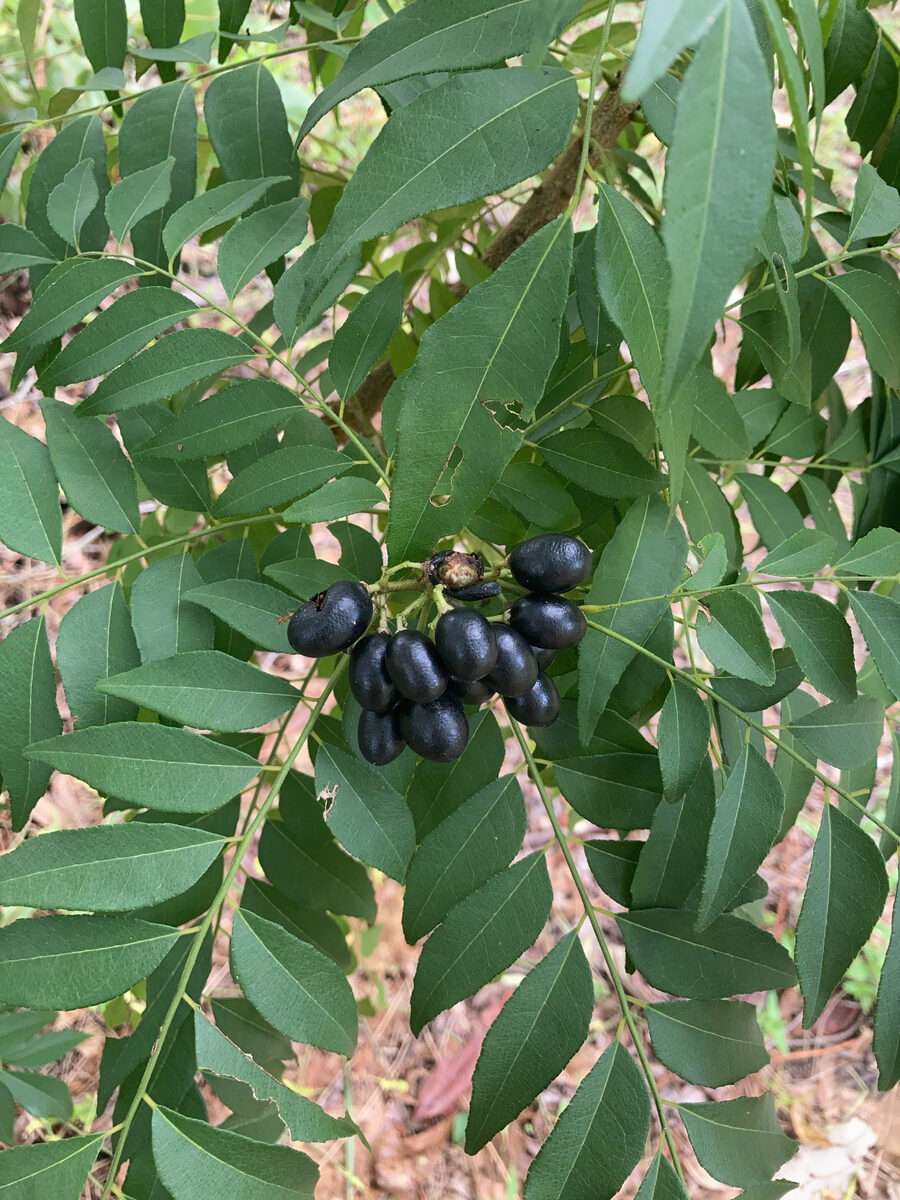
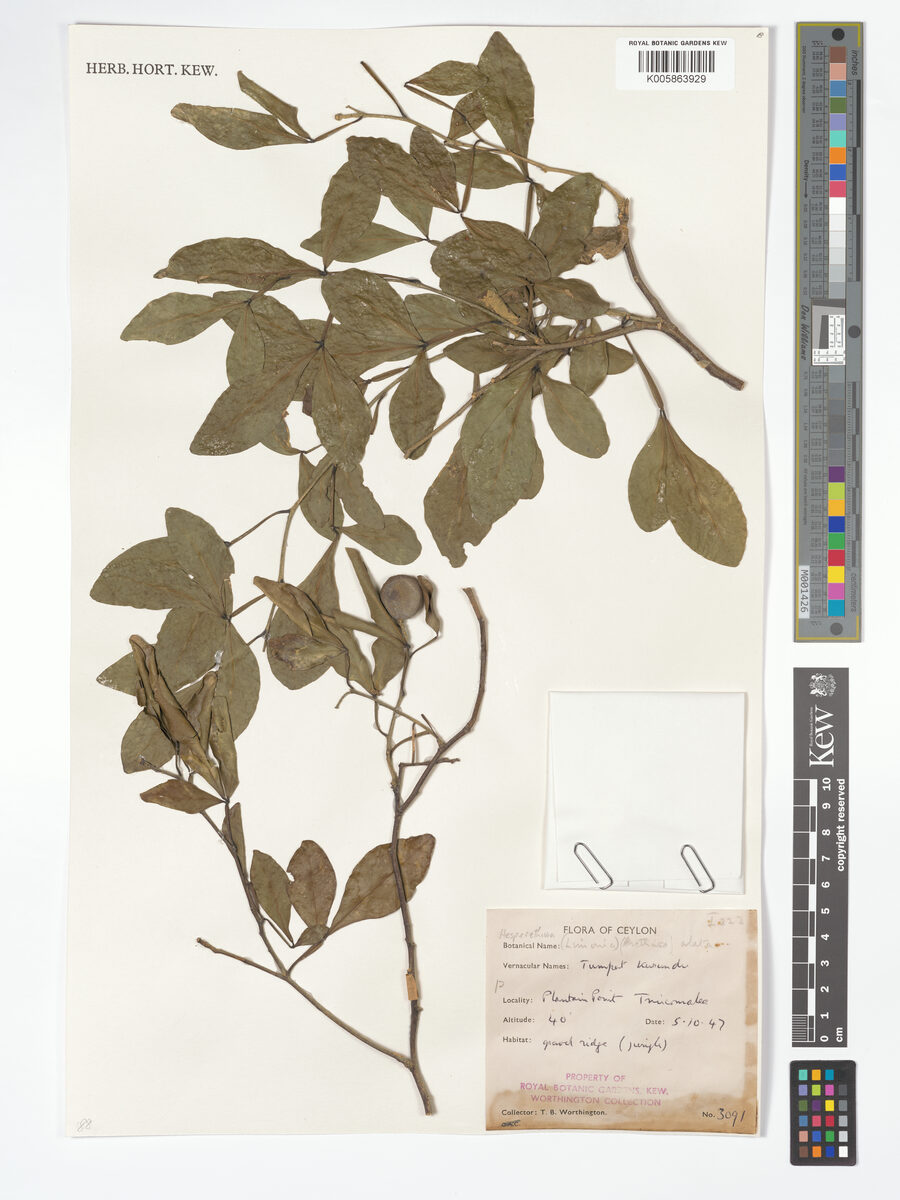
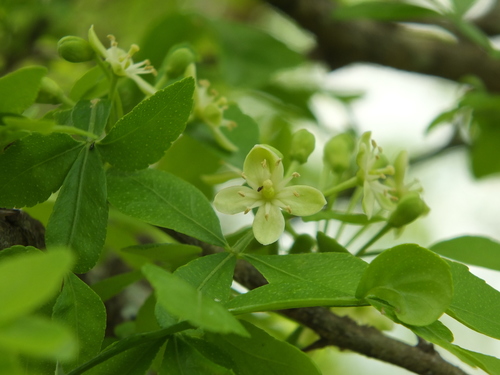
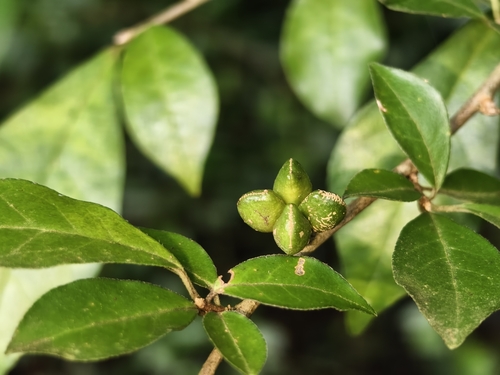
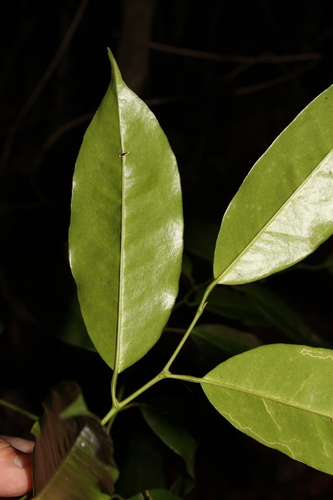
A shrub or small tree. It grows 4 m tall. The branches have long spines. The leaves are simple and alternate. They are 5-9 cm long by 3-5 cm wide. The flowers are in short groups in the axils of leaves. They are white. The fruit is a round berry 2 cm long. There are 4 seeds.
Edible Uses
The fruit are eaten both unripe and ripe.
Traditional Uses
The fruit are eaten unripe and also ripe.
This uses section is brief — help expand it
Distribution
It is a tropical plant. It grows in the undergrowth in evergreen forests up to 1,000 m above sea level.
Where It Grows
Asia, India, Myanmar, Philippines, SE Asia,
Synonyms
Also Known As
Agoyhoy, Kattu elumichai, Kattu naragam, Kuranga, Malanaragam, Naivella
References (2)
- Arinathan, V., et al, 2007, Wild edibles used by Palliyars of the western Ghats, Tamil Nadu. Indian Journal of Traditional Knowledge. 6(1) pp 163-168
- Reis, S. V. and Lipp, F. L., 1982, New Plant Sources for Drugs and Foods from the New York Botanical Garden herbarium. Harvard. p 143 (As Atalantia disticha)