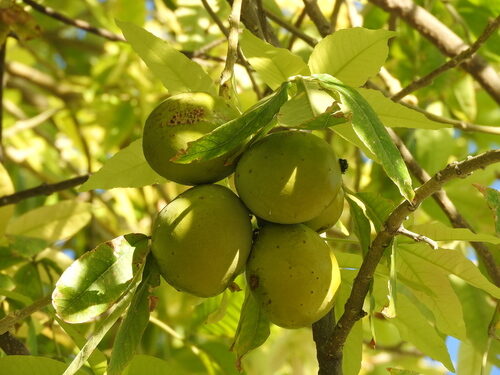
Zanthoxylum clava-herculis
L.
Hercules club, Pepperwood, Toothache tree
iNaturalist· cc-by-nc
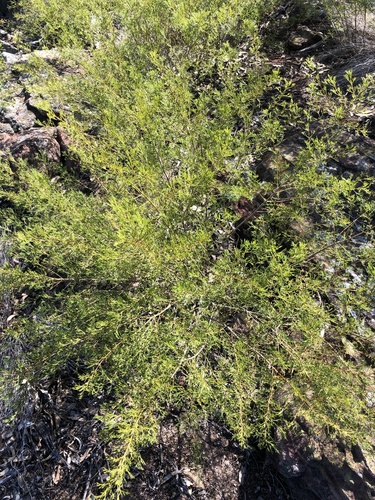
(c) Bob O'Kennon, some rights reserved (CC BY-NC), uploaded by Bob O'Kennon
iNaturalist· cc-by-nc
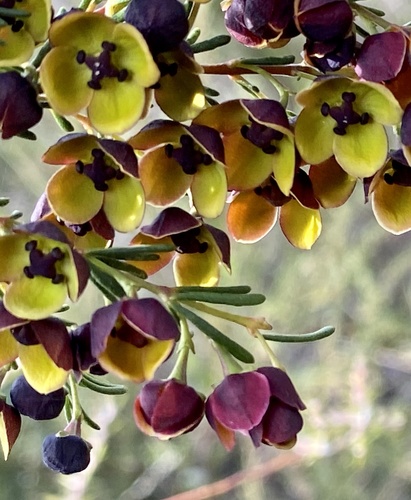
(c) fiddleman, some rights reserved (CC BY-NC), uploaded by fiddleman
iNaturalist· cc-by-nc
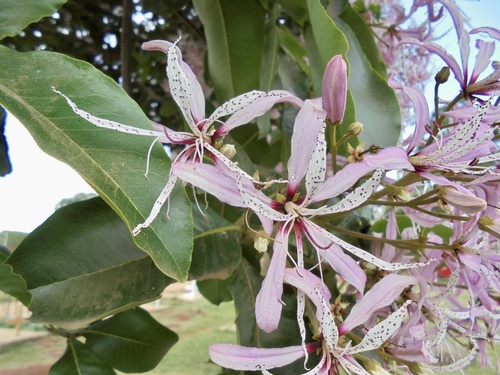
(c) Chris Kneupper, some rights reserved (CC BY-NC), uploaded by Chris Kneupper
Summary
Source: WikipediaZanthoxylum clava-herculis, the Hercules' club, Hercules-club, pepperwood, or southern prickly ash, is a spiny tree or shrub native to the southeastern United States.
Description
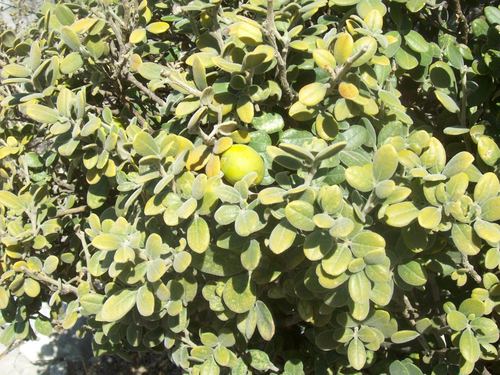
A shrub or tree. It grows 3-10 m tall. It is spiny. The bark has corky lumps 2-3 cm long. The leaves are 20-30 cm long with 7-19 leaflets along the side. Each leaflet is 4-5 cm long. Male and female flowers are on separate plants. The flowering groups are 20 cm long. Each flower is 6-8 mm across. Fruit occur in clusters. The fruit are 6 mm across and have a rough surface. Fruit contain one seed.
Edible Uses
The following information is based on Z. americanum and is likely applicable to this species as well. The seed is used as a condiment and pepper substitute. The fruit is small — about 4–5mm in diameter — but is borne in dense clusters that make harvesting straightforward. Each fruit contains a single seed.
Medicinal Uses
This species is widely used in herbal medicine and shares the same properties as Z. americanum, but is considered more active. All parts of the plant, especially the bark and roots, contain the aromatic bitter oil xanthoxylin, which has numerous medicinal applications. The bark and roots are irritant, odontalgic, and antirheumatic; together with the fruit they are diaphoretic, stimulant, and useful as a tonic in debilitated conditions of the stomach and digestive organs. They stimulate arterial activity and are used in treating fevers, ague, and poor circulation. The fruits are considered more medicinally active than the bark and are also antispasmodic, carminative, diuretic, and antirheumatic. Pulverized root and bark are applied to relieve toothache — reportedly very effective, though the acrid sensation of the bark is described as nearly as unpleasant as the toothache itself. Chewing the bark provokes copious salivation. Rubbing the fruit on the skin, lips, or inside the mouth produces a temporary loss of sensation. A tea or tincture of the bark is used to treat rheumatism, dyspepsia, dysentery, and heart and kidney complaints. A tea made from the inner bark has been used for itchy skin.
Known Hazards
Absorption of gut iron reduced. sun sensitivity, bruising and bleeding. May interfere with cardiac glycoside therapy. May interfere with blood clotting drugs.
Distribution
It is a temperate plant. It grows on sandy soils and can be in open or shaded positions. It suits hardiness zone 6.
Where It Grows
North America*, USA,
Cultivation
Prefers a good deep well-drained moisture retentive soil in full sun or semi-shade. Plants are hardy to at least -15°c. The leaves are often persistent until the following spring when the new leaves are produced. Dioecious. Male and female plants must be grown if seed is required. Flowers are formed on the old wood.
Propagation
Seed is best sown in a greenhouse as soon as it ripens in autumn. Stored seed may need up to 3 months of cold stratification, though scarification can also help. Sow stored seed in a cold frame as early in the year as possible; germination should occur in late spring, though it may take a further 12 months. Prick seedlings into individual pots when large enough to handle, grow on in a cold frame through their first winter, then plant out in early summer. Cuttings of half-ripe wood can be taken in July or August and rooted in a frame. Root cuttings 3cm long, planted horizontally in pots in a greenhouse, give a good success rate. Suckers can be removed in late winter and planted directly into their permanent positions.
Other Uses
The wood is light, soft, weak, and close-grained, weighing 31lb per cubic foot. It is too small for commercial use.
Production
It grows at a medium rate.
Synonyms
Also Known As
Pepperbark, Southern prickly ash, West Indian yellowwood
References (5)
- Encyclopedia of Life.
- Ferns, Plants for a Future.
- Wiersema, J. H. & Leon, B., 2013, World Economic Plants. A Standard Reference CRC Press. 2nd Ed. p 733
- Wikipedia,
- World Checklist of Useful Plant Species 2020. Royal Botanic Gardens, Kew