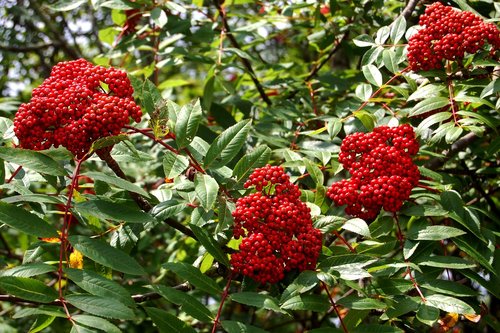
Padus buergeriana
(Miq.) T. T. Yu & T. C. Ku
iNaturalist· cc-by-nc
(c) JODY HSIEH, some rights reserved (CC BY-NC)
iNaturalist· cc-by-nc
(c) JODY HSIEH, some rights reserved (CC BY-NC)
iNaturalist· cc-by-nc
(c) JODY HSIEH, some rights reserved (CC BY-NC)
Description
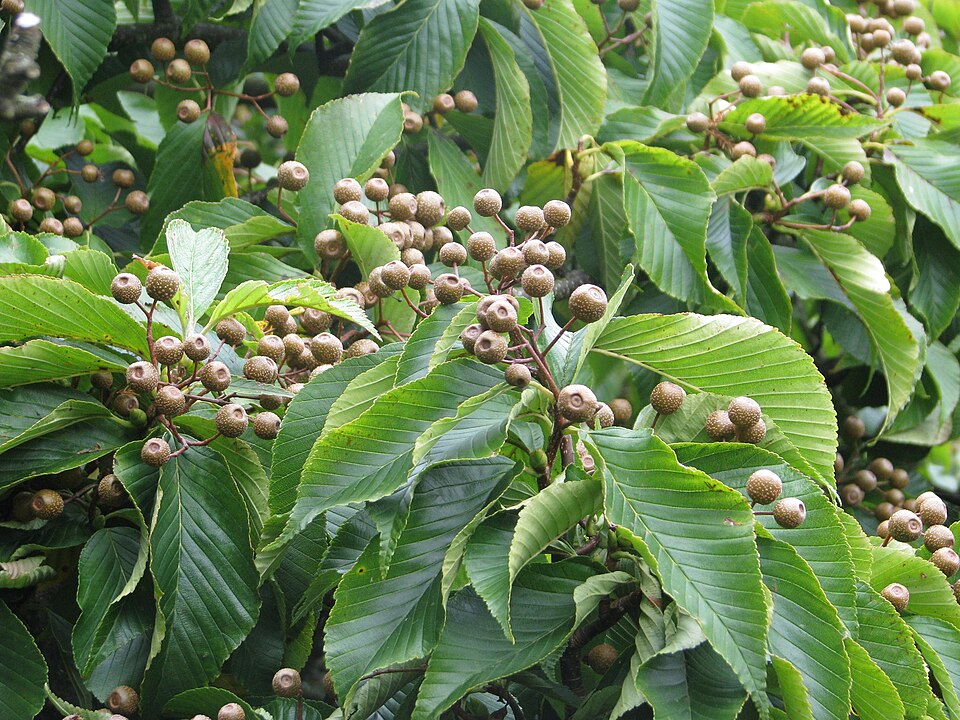
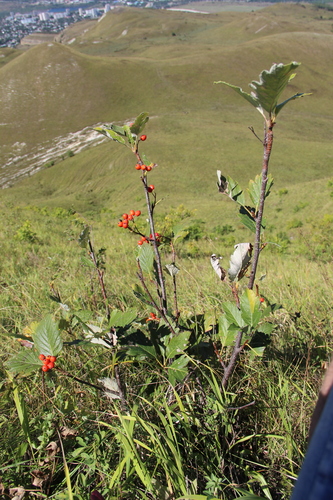
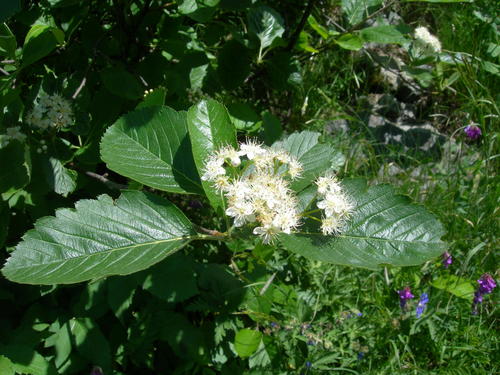
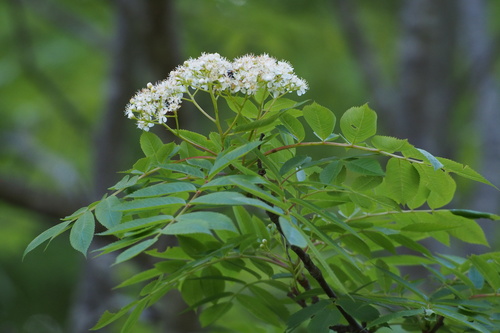
A tree. It grows 6-12 m tall. It can be taller. Young branches are purple brown. The leaves are oblong and 4-10 cm long by 3-5 cm wide. They are pale underneath. There are 20-30 flowers in a group. The flowers are 5-7 mm across. The petals are white. The fruit is blackish brown and oval. They are 5 mm across.
Edible Uses
The ripe fruit are eaten.
Traditional Uses
The ripe fruit are eaten.
This uses section is brief — help expand it
Distribution
It is a subtropical plant. It grows in dense forests and on sunny slopes between 1,000-3,400 m above sea level in China. In Sichuan and Yunnan.
Where It Grows
Asia, Bhutan, China, Himalayas, India, Japan, Korea, Northeastern India, Sikkim,
Production
In China plants flower in April to May and fruit May to October.
Synonyms
Also Known As
Thei-an-lung
References (2)
- Kar, A., et al, 2013, Wild Edible Plant Resources used by the Mizos of Mizoram, India. Kathmandu University Journal of Science, Engineering and Technology. Vol. 9, No. 1, July, 2013, 106-126 (As Prunus venosa Buch.-Ham ex D. Don)
- www.efloras.org Flora of China Volume 9