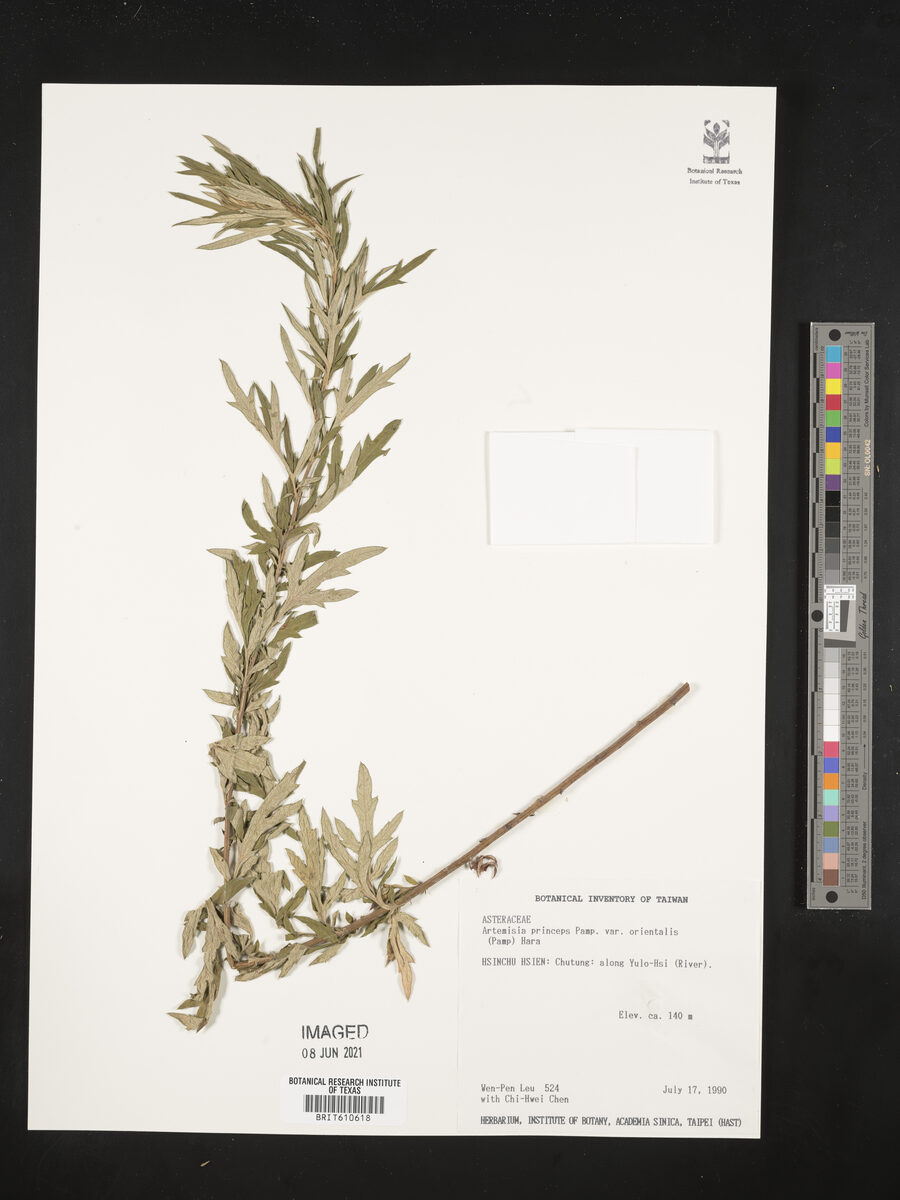
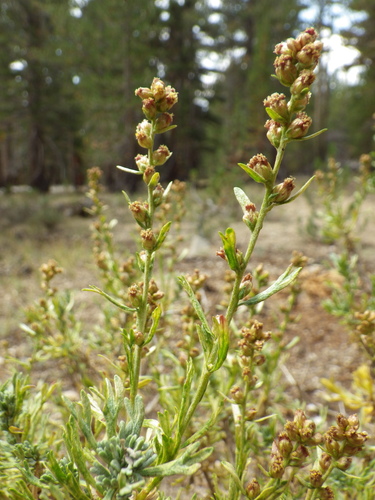
Galinsoga parviflora
Cav.
Small-flowered quickweed, Potato weed
iNaturalist· cc-by-nc
(c) Соколков Юрий Павлович, some rights reserved (CC BY-NC), uploaded by Соколков Юрий Павлович
iNaturalist· cc-by-nc
(c) Heriberto Ávila-González, some rights reserved (CC BY-NC), uploaded by Heriberto Ávila-González
iNaturalist· cc-by-nc
(c) Michael 2020, some rights reserved (CC BY-NC), uploaded by Michael 2020
Summary
Source: WikipediaGalinsoga parviflora is a species of herbaceous plant in the daisy family Asteraceae. It has several common names including guasca (Colombia), pacpa yuyo, paco yuyo, and waskha (Peru), burrionera (Ecuador), albahaca silvestre and saetilla (Argentina), mielcilla (Costa Rica), piojito (Oaxaca, Mexico), galinsoga (New Zealand), gallant soldier, quickweed, and potato weed (United Kingdom, United States).
Description
An annual herb. It grows to 75 cm high and has a spread of 50 cm. The stem is erect and much branched. The stem is rather weak. The leaves are oval and opposite. The leaves have leaf stalks are the leaves are toothed around the edge. The flowers are small and daisy like. They occur in small clusters and have white rays and a yellow disk. The flowers are produced in the axils of the upper leaves.
Edible Uses
The leaves, stem, and flowering shoots can be eaten raw or cooked as a potherb, added to soups and stews, or dried and ground into a powder for use as a flavouring in soups. The plant makes a bland but very acceptable salad on its own or mixed with other leaves. The fresh juice can be mixed with tomato or vegetable juices as a drink.
Traditional Uses
The leaves and the young stems can be eaten raw or cooked. They are used as a potherb or added to soups and stews. They are used as seasoning. They can be put into stir-fries. It is also dried and ground into a green powder and added to soups and stews especially with chicken. The fresh juice is drunk with other vegetable juices. The flowering shoots are eaten raw or cooked and in soups and stews.
Medicinal Uses
When rubbed onto the skin, the plant helps treat nettle stings. The juice can be applied to wounds to help coagulate the blood of fresh cuts.
Known Hazards
The plant is considered to be poisonous to goats.
Distribution
A tropical and subtropical plant. It will grow in most soils and under most conditions. It can tolerate drought and frost. In Papua New Guinea it grows from 900 to 2500 m altitude. It can grow in arid places but is best with medium to high rainfall. Seeds need a temperature between 10-35°C to germinate. They also need light to germinate. In Zimbabwe it grows between 1,370-1,660 m above sea level. In Ecuador it grows between 1,500-3,000 m above sea level. In Argentina it grows from sea level to 2,500 m above sea level. Tasmania Herbarium. In Yunnan.
Where It Grows
Africa, Albania, Angola, Argentina, Asia, Australia, Austria, Azores, Balkans, Belarus, Belgium, Benin, Bolivia, Botswana, Brazil, Britain, Bulgaria, Cameroon, Canada, Cape Verde, Caucasus, Central Africa, Central America*, Central Asia, Chile, China, Colombia, Congo, Costa Rica, Czech Republic, Denmark, Djibouti, Dominican Republic, East Africa, Easter Island, Ecuador, El Salvador, Eritrea, Eswatini, Ethiopia, Europe, Finland, France, Germany, Greece, Haiti, Hawaii, Himalayas, Hungary, India, Indochina, Indonesia, Iran, Ireland, Italy, Jamaica, Japan, Kazakhstan, Kenya, Korea, Kygyzstan, Lesotho, Libya, Luxembourg, Madagascar, Malawi, Malaysia, Mauritius, Mediterranean, Mexico, Mozambique, Myanmar, Namibia, Nepal, Netherlands, New Zealand, Norfolk Island, North America, Northeastern India, Norway, NW India, Pacific, Pakistan, Palestine, Papua New Guinea, PNG, Paraguay, Peru, Philippines, Poland, Portugal, Puerto Rico, Reunion, Romania, Russia, Rwanda, Sao Tome and Principe, Scandinavia, SE Asia, Siberia, Sicily, Sikkim, Slovakia, Slovenia, South Africa, Southern Africa, South America*, Spain, Sri Lanka, Sudan, Swaziland, Sweden, Switzerland, Tajikistan, Taiwan, Tanzania, Tasmania, Thailand, Tibet, Tunisia, Turkey, Turkmenistan, Uganda, Ukraine, Uruguay, USA, Uzkebistan, Vanuatu, Venezuela, Vietnam, West Africa, West Indies*, Winward Is., Yugoslavia, Zambia, Zimbabwe,
Cultivation
Plants are grown from seed. Often they are self sown. The seeds germinate quickly and young plants grow rapidly.
Propagation
Sow seed in spring directly in situ. Germination usually takes place within a month.
Other Uses
No other uses are known for this plant.
Production
The plant grows rapidly. The leaves should be picked before plants start to form seeds.
Other Information
It is a commercially cultivated vegetable. It is only a minor vegetable available in a few local markets. It is popular in some places.
Notes
There are about 14 Galinsoga species. The leaves are 11% protein. It can spread and become a difficult to remove weed.
Nutrition
| Part | Moisture | kJ | kcal | Protein | Vit A | Vit C | Iron | Zinc |
|---|---|---|---|---|---|---|---|---|
| Leaves | 88.4 | 171 | 41 | 3.3 | — | 12 | 5.3 | 1.3 |
Synonyms
Also Known As
Albahaca silvestre, Bribil, Chepsitaki, Chickweed, Churuman, Co tho, Djaringan lanang, Gallant soldier, Guascas, Hierba de piojito, Kinyoki, Knopkruid, Mabuyejazi, Mamboleo, Mngeeza, Mngereza, Mondreng, Munukepei, Msekeseke, Mwamuna aligone, Nawabijia, Ndevhedzamphobo, Ngereza, Ngwakhoza, Otikidyeri, Patelele, Peeplo, Picao-branco, Piojito, Quelite de piojito, Quickweed, Selegreng, Sutanuli, Tedar ao, Tedur-ow, Tsivandreninkely, Udase, Vi cuc, Yamuofie, Yellow weed, Yeshewa-arem, Youcong
References (73)
- Ambasta, S.P. (Ed.), 2000, The Useful Plants of India. CSIR India. p 229
- Bodkin, F., 1991, Encyclopedia Botanica. Cornstalk publishing, p 484
- Burkill, H. M., 1985, The useful plants of west tropical Africa, Vol. 1. Kew.
- Burkill, I.H., 1966, A Dictionary of the Economic Products of the Malay Peninsula. Ministry of Agriculture and Cooperatives, Kuala Lumpur, Malaysia. Vol 1 (A-H) p 1060
- Bvenura, C. and Afolayan, A. J., 2017, Tackling food and nutrition insecurity using leafy wild vegetables: The nutritional compositions of some selected species.
Show all 73 references Hide references
- Casas, A., et al, 1996, Plant Management Among the Nahua and the Mixtec in the Balsas River Basin, Mexico: An Ethnobotanical Approach to the Study of Plant Domestication. Human Ecology, Vol. 24, No. 4 pp. 455-478
- Cerne, M., 1992, Wild Plants from Slovenia used as Vegetables. Acta Horticulturae 318
- Cheng, Z., et al, 2022, Ethnobotanical study on wild edible plants used by Dulong people in northwestern Yunnan, China. Journal of Ethnobiology and Ethnomedicine (2022) 18:3
- Cribb, A.B. & J.W., 1976, Wild Food in Australia, Fontana. p 121
- Curtis, W.M., 1963, The Students Flora of Tasmania Vol 2 p 349
- Ding, X., 2021, Collection calendar: the diversity and local knowledge of wild edible plants used by Chenthang Sherpa people to treat seasonal food shortages in Tibet, China. Journal of Ethnobiology and Ethnomedicine 17:40
- Elias, T.S. & Dykeman P.A., 1990, Edible Wild Plants. A North American Field guide. Sterling, New York p 159
- Esperanca, M. J., 1988. Surviving in the wild. A glance at the wild plants and their uses. Vol. 2. p 169
- Facciola, S., 1998, Cornucopia 2: a Source Book of Edible Plants. Kampong Publications, p 38
- Farfan, B., et al, 2007, Mazahua Ethnobotany and Subsistence in the Monarch Butterfly Biosphere Reserve, Mexico. Economic Botany 61(2) 2007, pp 173-191
- Flora of Australia Volume 49, Oceanic Islands 1, Australian Government Publishing Service, Canberra. (1994) p 401
- Fowler, D. G., 2007, Zambian Plants: Their Vernacular Names and Uses. Kew. p 12
- Gangwar, A. K. & Ramakrishnan, P. S., 1990, Ethnobotanical Notes on Some Tribes of Arunachal Pradesh, Northeastern India. Economic Botany, Vol. 44, No. 1 pp. 94-105
- Geng, Y., et al, 2016, Traditional knowledge and its transmission of wild edibles used by the Naxi in Baidi Village, northwest Yunnan province. Journal of Ethnobiology and Ethnomedicine. 12:10
- Goode, P., 1989, Edible Plants of Uganda. FAO p 30
- Grubben, G. J. H. and Denton, O. A. (eds), 2004, Plant Resources of Tropical Africa 2. Vegetables. PROTA, Wageningen, Netherlands. p 299
- Harkonen, M. & Vainio-Mattila, K., 1998, Some examples of Natural Products in the Eastern Arc Mountains. Journal of East African Natural History 87:265-278
- Henty, E.E., & Pritchard, G.S., 1973, Weeds of New Guinea and their control. Botany Bulletin No 7, Division of Botany, Lae, PNG. p 79
- High, C. & Shackleton, C. M., 2000, The comparative value of wild and domestic plants in home gardens of a South African rural village. Agroforestry Systems 48: 141–156, 2000
- Hussey, B.M.J., Keighery, G.J., Cousens, R.D., Dodd, J., Lloyd, S.G., 1997, Western Weeds. A guide to the weeds of Western Australia. Plant Protection Society of Western Australia. p 98
- Icon. 3(2):41, t. 281. 1795-1796
- Jackes, B.R., 2001, Plants of the Tropics. Rainforest to Heath. An Identification Guide. James Cook University. p 43
- Ju, Y., et al, 2013, Eating from the wild: diversity of wild edible plants used by Tibetans in Shangri-la region, Yunnan, China, Journal of Ethnobiology and Ethno medicine 9:28
- Kays, S. J., and Dias, J. C. S., 1995, Common Names of Commercially Cultivated Vegetables of the World in 15 languages. Economic Botany, Vol. 49, No. 2, pp. 115-152
- Kew Plants of the World Online
- Khan, M. & Hussain, S., 2014, Diversity of wild edible plants and flowering phenology of district Poonch (J & K) in the northwest Himalaya. Indian Journal of Sci, Res. 9(1): 032-038
- Kinupp, V. F., 2007, Plantas alimenticias nao-convencionais da regiao metropolitana de Porto Alegre, RS, Brazil p 67
- Kiple, K.F. & Ornelas, K.C., (eds), 2000, The Cambridge World History of Food. CUP p 1841
- Lazarides, M. & Hince, B., 1993, Handbook of Economic Plants of Australia, CSIRO. p 117
- Leon-Lobos, P., et al, 2022, Patterns of Traditional and Modern Uses of Wild Edible Native Plants of Chile: Challenges and Future Perspectives. Plants (Basel) v 11 (6) Table S1
- Long, C., 2005, Swaziland's Flora - siSwati names and Uses http://www.sntc.org.sz/flora/
- Low, T., 1991, Wild Herbs of Australia and New Zealand. Angus & Robertson. p 91 (Drawing)
- Low, T., 1992, Bush Tucker. Australia’s Wild Food Harvest. Angus & Robertson. p 156
- Lyimo, M., et al, 2003, Identification and nutrient composition of indigenous vegetables of Tanzania. Plant Foods for Human Nutrition. 58: 85-92
- MacKinnon, A., et al, 2009, Edible & Medicinal Plants of Canada. Lone Pine. p 355
- Magwede, K., van Wyk, B.-E., & van Wyk, A. E., 2019, An inventory of Vhavenḓa useful plants. South African Journal of Botany 122 (2019) 57–89
- Manzanero-Medina, G. I., et al, 2020, Ethnobotany of food plants (quelites) sold in two traditional markets of Oaxaca, Mexico. South African Journal of Botany. 130 (2020) 215-223
- Maroyi, A., 2013, Use of weeds as traditional vegetables in Shurugwi District, Zimbabwe. Journal of Ethnobiology and Ethnomedicine 9:60
- Martin, F.W. & Ruberte, R.M., 1979, Edible Leaves of the Tropics. Antillian College Press, Mayaguez, Puerto Rico. p 185
- Maundu, P. et al, 1999, Traditional Food Plants of Kenya. National Museum of Kenya. 288p
- Molla, A., Ethiopian Plant Names. http://www.ethiopic.com/aplants.htm
- Msuya, T. S., et al, 2010, Availability, Preference and Consumption of Indigenous Foods in the Eastern Arc Mountains, Tanzania, Ecology of Food and Nutrition, 49:3, 208-227
- Murtem, G. & Chaudhrey, P., 2016, An ethnobotanical note on wild edible plants of Upper Eastern Himalaya, India. Brazilian Journal of Biological Sciences, 2016, v. 3, no. 5, p. 63-81
- Mutie, F. G., 2020, Conservation of Wild Food Plants and Their Potential for Combatting Food Insecurity in Kenya as Exemplified by the Drylands of Kitui County. Plants 2020, 9, 1017
- Mutie, F. M., et al, 2023, Important Medicinal and Food Taxa (Orders and Families) in Kenya, Based on Three Quantitative Approaches. Plants 2023, 12, 1145
- Ochse, J.J. et al, 1931, Vegetables of the Dutch East Indies. Asher reprint. p 134
- Paczkowska, G. & Chapman, A.R., 2000, The Western Australian Flora. A Descriptive Catalogue. Western Australian Herbarium. p
- Pascual-Mendoza, S. et al, 2021, Traditional knowledge of edible plants in an indigenous community in the Sierra Norte of Oaxaca, Mexico. Plant Biosystems - An International Journal Dealing with all Aspects of Plant Biology
- Plants of Haiti Smithsonian Institute http://botany.si.edu
- Quintana, C. M., 2010, Wild Plants in the Dry Valleys Around Quito Ecuador. An Illustrated Guide. Publicationes del Harbario, QCA p 72
- Razanameharizaka, J., et al, 2022, Catalogue Legumes Traditionnels de Madagascar. Université d’Antananarivo, Antananarivo (101), Madagascar. Vol. 1. p 24
- Royal Botanic Gardens, Kew (1999). Survey of Economic Plants for Arid and Semi-Arid Lands (SEPASAL) database. Published on the Internet; http://www.rbgkew.org.uk/ceb/sepasal/internet [Accessed 11th April 2011]
- Ruiters-Welcome, A. K., 2019, Food plants of southern Africa. Ph.D. thesis. Univ. of Johannesburg p 34
- Tabuti, J.R.S., 2007. Flueggea virosa (Roxb. ex Willd.) Voigt. [Internet] Record from Protabase. Schmelzer, G.H. & Gurib-Fakim, A. (Editors). PROTA (Plant Resources of Tropical Africa), Wageningen, Netherlands. < http://database.prota.org/search.htm>. Accessed 16 October 2009.
- Shackleton, S. E., et al, 1998, Use and Trading of Wild Edible Herbs in the Central Lowveld Savanna Region, South Africa. Economic Botany, Vol. 52, No. 3, pp. 251-259
- Stanley, T. D. & Ross, E. M., 1986, Flora of south-eastern Queensland Volume 2. Queensland Government p 563
- Tanaka, Y. & Van Ke, N., 2007, Edible Wild Plants of Vietnam: The bountiful garden. Orchid books. p 46
- Tasmanian Herbarium Vascular Plants list p 6
- Termote, C., et al, 2014, Assessing the potential of wild foods to reduce the cost of a nutritionally adequate diet: An example from eastern Baringo District, Kenya. Food and Nutrition Bulletin, vol. 35, no. 4
- Vainio-Mattila, K., 2000, Wild vegetables used by the Sambaa in the Usumbara Mountains, NE Tanzania. Ann. Bot. Fennici 37:57-67
- Vernon, R., 1983, Field Guide to Important Arable Weeds of Zambia. Dept of Agriculture, Chilanga, Zambia. p 90
- Wehmeyer, A. S, 1986, Edible Wild Plants of Southern Africa. Data on the Nutrient Contents of over 300 species.
- Welcome, A. K. & Van Wyk, B.-E., 2019, An inventory and analysis of the food plants of southern Africa. South African Journal of Botany 122 (2019) 136–179
- Williamson, J., 2005, Useful Plants of Malawi. 3rd. Edition. Mdadzi Book Trust. p 120
- World Checklist of Useful Plant Species 2020. Royal Botanic Gardens, Kew
- Wujisguleng, W., & Khasbagen. K., 2010, An integrated assessment of wild vegetable resources in Inner Mongolian Autonomous Region, China. Journal of Ethnobiology and Ethnomedicine 6:34
- Xu, You-Kai, et al, 2004, Wild Vegetable Resources and Market Survey in Xishuangbanna, Southwest China. Economic Botany. 58(4): 647-667.
- Zizka, G., 1991, Flowering Plants of Easter Island. Palmarum Hortus Francofurtensis