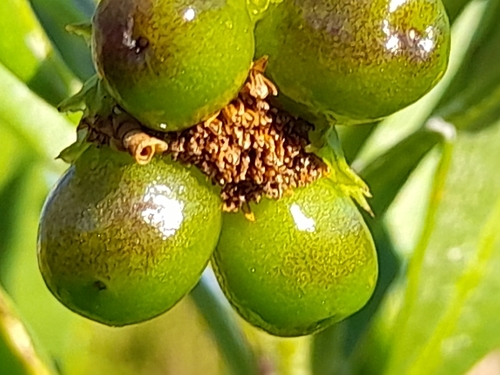
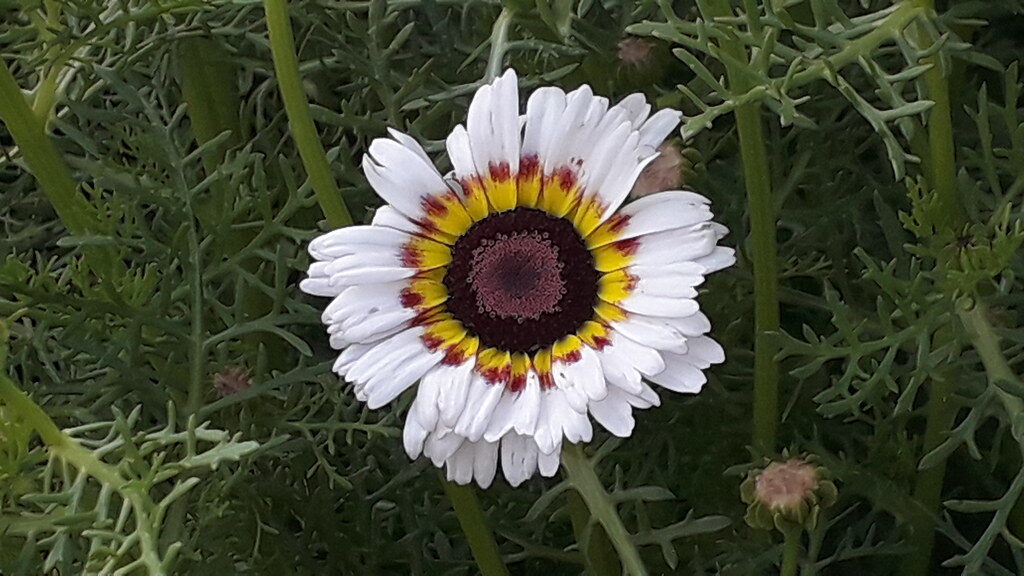
Gamochaeta purpurea
(L.) Cabrera
Purple cudweed, Purple everlasting
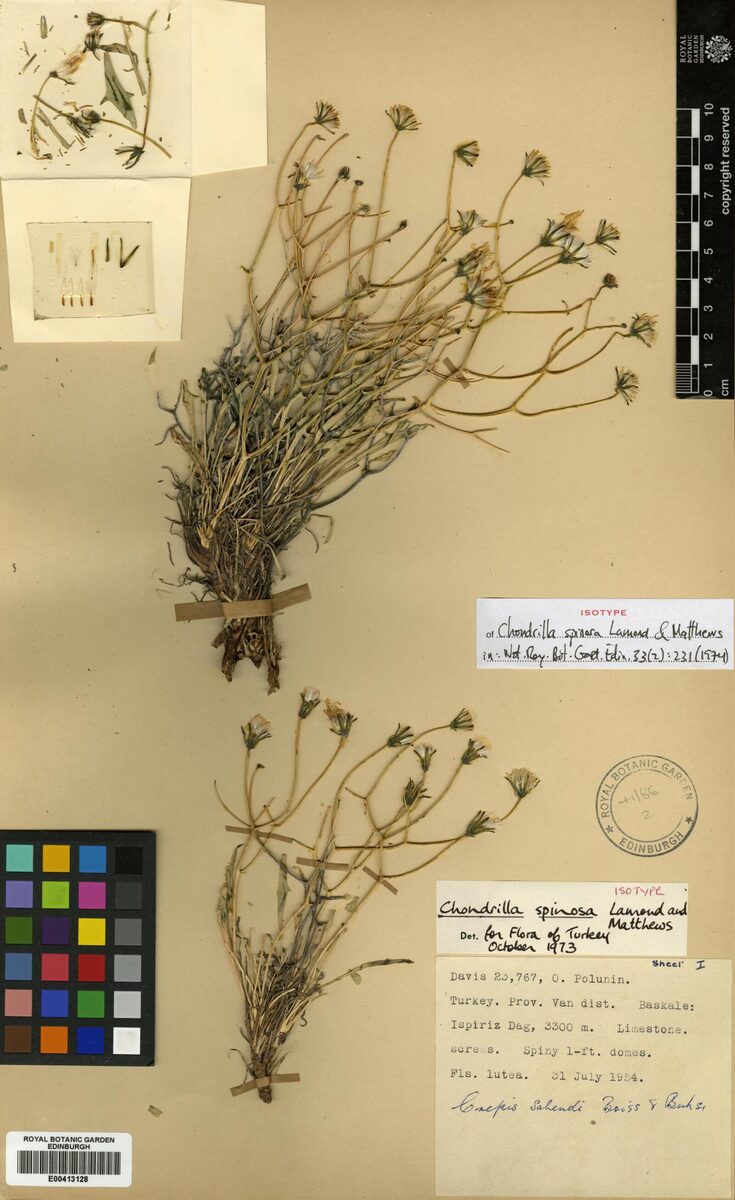
iNaturalist· cc0
no rights reserved, uploaded by Kristi Zoebelein
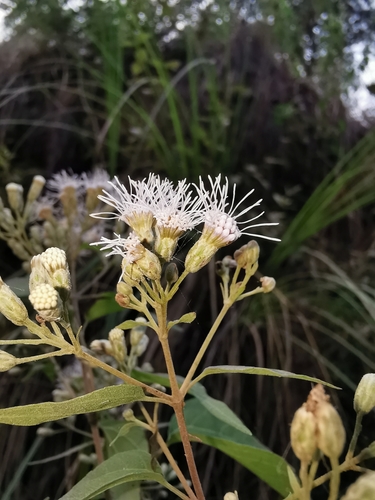
iNaturalist· cc-by
(c) Zihao Wang, some rights reserved (CC BY), uploaded by Zihao Wang
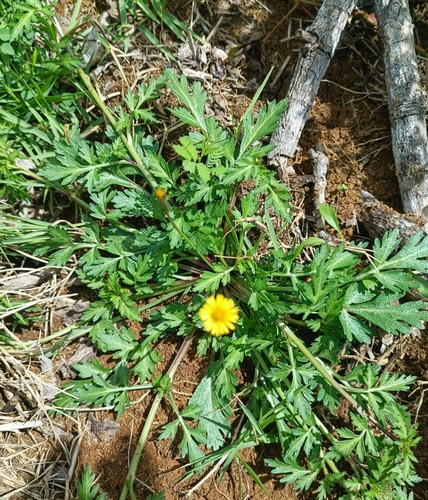
iNaturalist· cc-by-nc
(c) Ethan, some rights reserved (CC BY-NC), uploaded by Ethan
Summary
Source: WikipediaGamochaeta purpurea, the purple cudweed, purple everlasting, or spoonleaf purple everlasting, is a plant native to North America.
Description
A herb. It can grow from seed each year or keep growing from year to year. It grows 10-40 cm tall. The leaves at the base are in rings. They are 1-6 cm long by 1 cm wide. The higher leaves are smaller. They are whitish underneath.
Edible Uses
The leaves are boiled and eaten.
Traditional Uses
The plants are boiled and eaten. Caution: In soils with high nitrogen levels it can cause nitrate/nitrite poisoning.
This uses section is brief — help expand it
Known Hazards
In soils with high nitrogen levels, this plant can cause nitrate/nitrite poisoning.
Distribution
It is a temperate plant. It grows at low elevations in Taiwan. In Argentina it grows from sea level to 800 m above sea level Tasmania Herbarium.
Where It Grows
Argentina, Asia, Australia, Brazil, Canada, China, Dominican Republic, Easter Island, Europe, Hawaii, India, Korea, North America, Northeastern India, Pacific, Paraguay, South America*, Taiwan, Tasmania, Uruguay, USA, West Indies,
Notes
There are about 200 Gnaphalium species.
Synonyms
Also Known As
Tecep
References (4)
- Sp. pl. 2:854. 1753 (As Gnaphalium purpureum)
- Srivastava, R. C., 2010, Traditional knowledge of Nyishi (Daffla) tribe of Arunachal Pradesh. Indian Journal of Traditional Knowledge. 9(1):26-37 (As Gnaphalium purpureum)
- Thothathri, K., & Pal, G.D., 1987, Further Contribution to the Ethnobotany of Subansiri District, Aranchal Pradesh. J. Econ. Tax. Bot. Vol. 10 No. 1 pp 149-157 (As Gnaphalium purpureum)
- Zizka, G., 1991, Flowering Plants of Easter Island. Palmarum Hortus Francofurtensis