Zehneria maysorensis
(Wight & Arn.) Arnott
iNaturalist· cc-by
(c) Vengolis, some rights reserved (CC BY)
iNaturalist· cc-by
(c) Vengolis, some rights reserved (CC BY)
iNaturalist· cc-by-sa
(c) Dinesh Valke, some rights reserved (CC BY-SA)
Summary
Source: WikipediaZehneria maysorensis is a perennial climbing or trailing herb that belongs to the family Cucurbitaceae.
Description
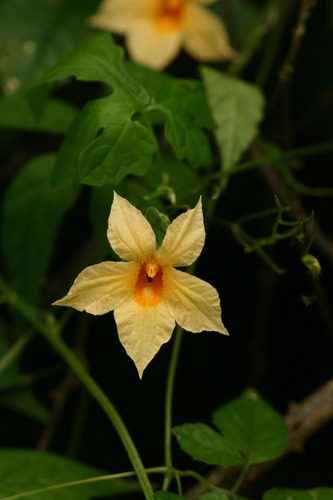
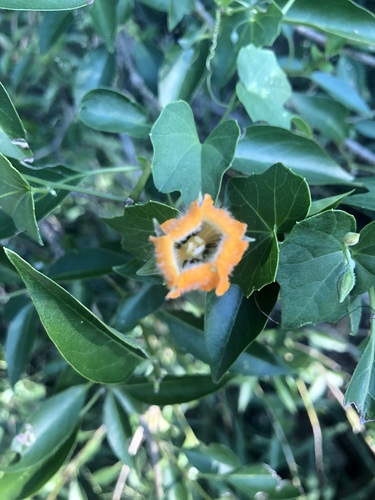
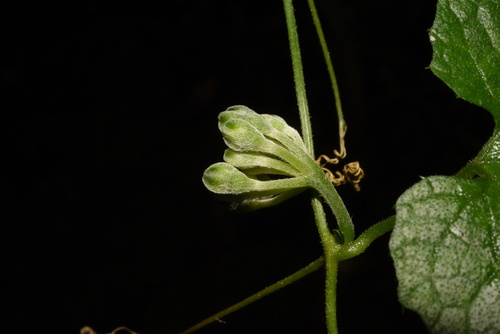
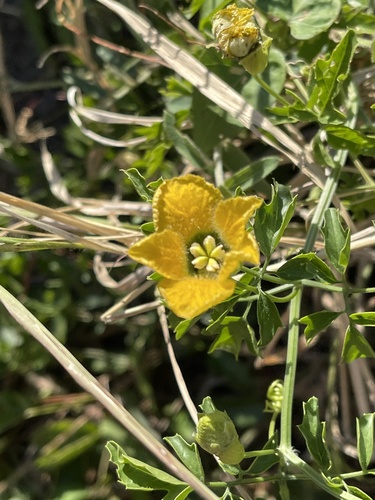
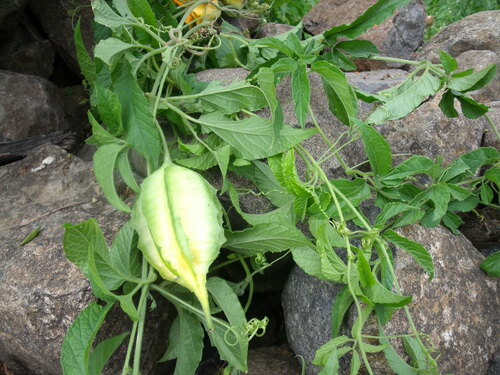
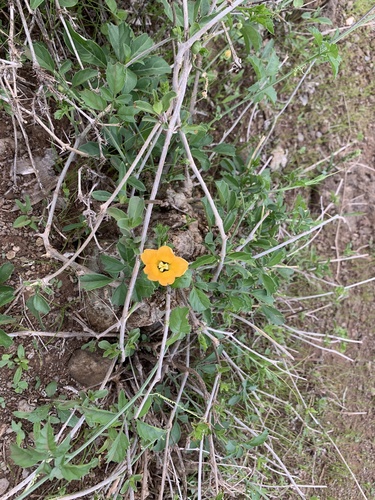
A climbing herb. The stems are slender. The leaves are alternate and 7-8 cm long by 6-8 cm wide. They are heart shaped at the base and taper to the tip. They are shallowly 3 angled and have teeth along the edge. The flowers are cream to yellow. The male flowers are in almost flat topped groups. The female flowers occur singly. The fruit is oblong and 1.7 cm long by 1.1 cm wide. They have fine markings. The seeds are flattened and broadly oval. They are 3.5 mm long by 2 mm wide.
Edible Uses
Leaves are edible. Leaves are mixed with honey to kill stomach worms. Fruits are used as a blood purifier.
Traditional Uses
The fruit are eaten as a vegetables. The roots are used to prepare a sweet drink.
This uses section is brief — help expand it
Distribution
It is a tropical plant. It grows in evergreen forests in the Western and Eastern Ghats.
Where It Grows
Africa, Asia, Bhutan, China, Comoros, Himalayas, India, Indochina, Madagascar, Myanmar, SE Asia, Vietnam,
Production
In southern India plants flower and fruit from October to December.
Notes
The plant in Indochina may be Zehneria bodinieri.
Synonyms
Also Known As
Cau qua
References (2)
- Narayanan Ratheesh, M. K. et al, 2011, Wild edible plants used by the Kattunaikka, Paniya and Kuruma tribes of Wayanad District, Kerala, India. Journal of Medicinal Plants Research Vol. 5(15), pp. 3520-3529 (Zehneria mysorensis)
- Vietnam parc._eia_appendices