Theobroma glaucum
H. Karst.
Glaucous chocolate tree
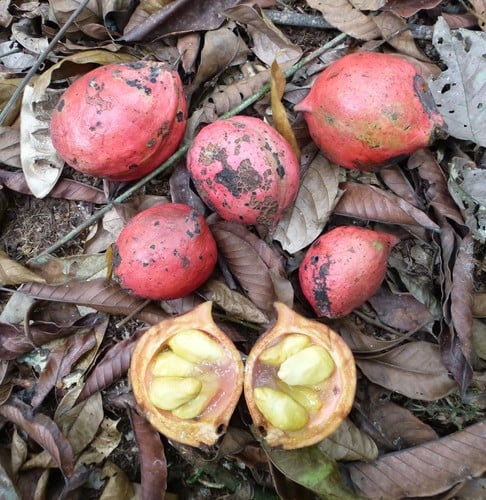
iNaturalist· cc-by-nc
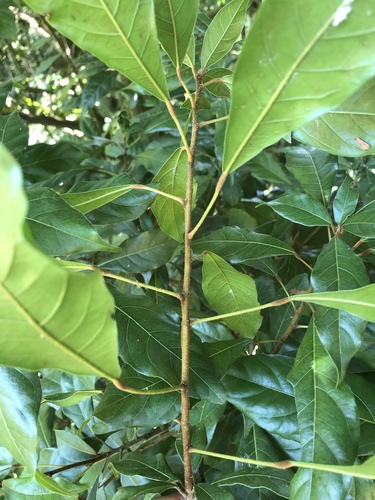
(c) Apipa, some rights reserved (CC BY-NC), uploaded by Apipa
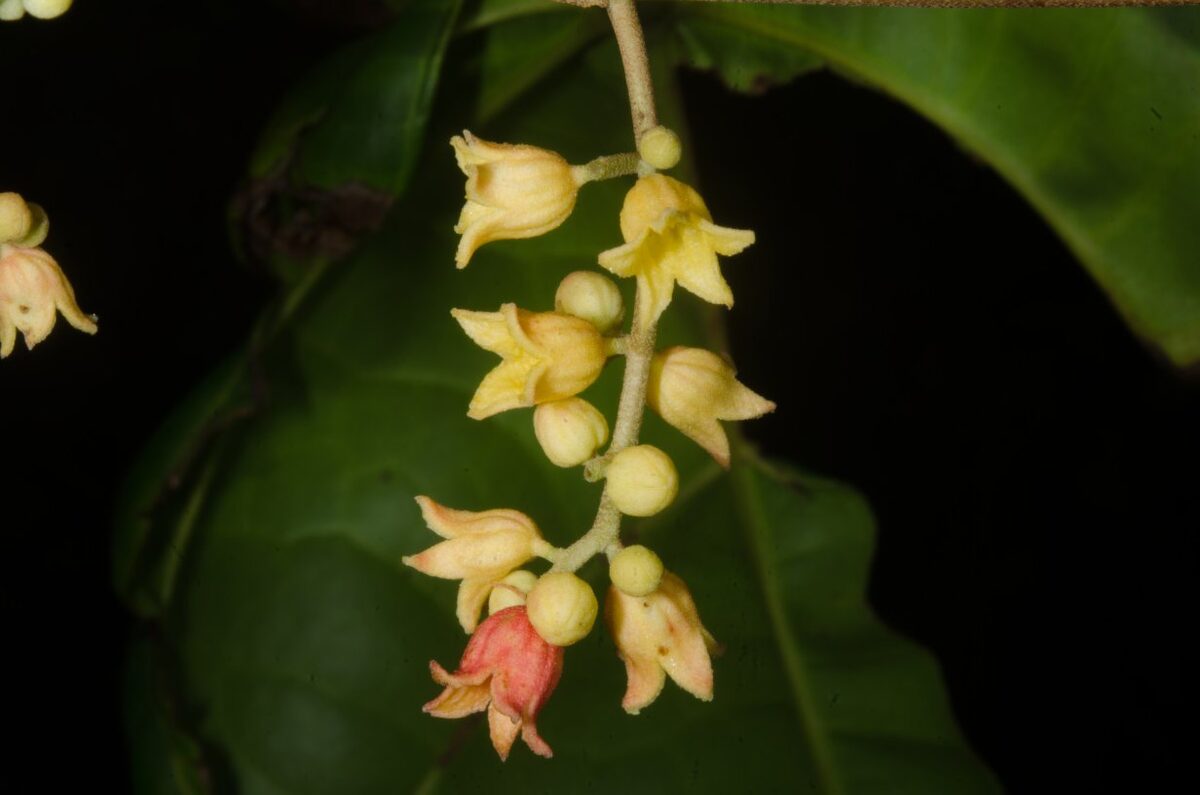
iNaturalist· cc-by-nc
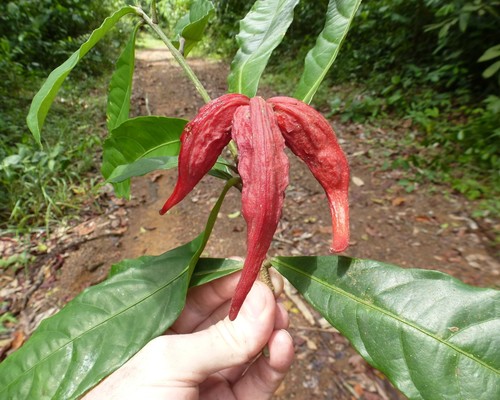
(c) Apipa, some rights reserved (CC BY-NC)
Summary
Source: WikipediaEvergreen tree reaching 12m tall and wide with medium growth rate. Hardy to UK zone 10. Flowers pollinated by insects and wind. Grows in medium to heavy loamy or clay soils with good drainage, preferring mildly acid to neutral pH. Tolerates semi-shade in light woodland conditions and requires moist soil.
Description
Evergreen tree reaching 12m tall and wide with medium growth rate. Hardy to UK zone 10. Flowers pollinated by insects and wind. Grows in medium to heavy loamy or clay soils with good drainage, preferring mildly acid to neutral pH. Tolerates semi-shade in light woodland conditions and requires moist soil.
Edible Uses
The seeds are a source of good-quality cacao. Like others in the genus, they are generally rich in oil (around 50%), starch (around 15%) and protein (around 15%), and also contain a volatile oil and the stimulating alkaloids caffeine and theobromine. The fruit pulp is eaten raw by sucking it from the fruit, or it is used to make a refreshing drink. The pale orange pulp has a very sweet flavour.
Traditional Uses
The seeds can be used for chocolate. The flesh of the fruit can be eaten raw or used for drinks.
This uses section is brief — help expand it
Medicinal Uses
No specific medicinal uses have been recorded for this species, but the seeds yield cacao powder and butter, which have the following properties: both are nutritive; the butter is applied externally as an emollient to soothe and soften skin, and is traditionally used for chapped skin, burns and bruises. Cacao powder is taken internally for angina and high blood pressure. Research has shown cacao butter can help counter bacteria responsible for boils and septicaemia.
Distribution
It is a tropical plant. It is an under-storey plants in the rainforest. It suits the hot, moist lowland tropics. It grows up to 450 m above sea level. It can grow up to 1,000 m. It suits areas with an annual average temperature between 20°-30° C and an average rainfall between 2,000-8,000 mm evenly distributed. It is best in rich soils and in dense shade.
Where It Grows
Amazon, Andes, Brazil, Colombia, Ecuador, Peru, South America*,
Cultivation
A plant of the hot, moist, lowland tropics. It grows best in areas where annual daytime temperatures are within the range 20 - 30°c, tolerating 16 - 40°c. It requires a mean annual rainfall within the range 2,000 - 8,000mm, evenly distributed throughout the year. Grows best in the dappled shade of other trees. Prefers a relatively rich, circumneutral soil. The plant is not drought tolerant, being unable to withstand even short dry seasons without the protection of dense shade and local humidity.
Propagation
Seed has very short viability and requires high humidity and optimum temperatures to remain viable. There is no dormancy period, and the seed often begins germinating while still inside the pod.
Other Uses
The seeds yield cacao butter, a fat that is solid at room temperature. Beyond local use as food and medicine, cacao butter is an important ingredient in the cosmetics and pharmaceutical industries.
Other Information
Fruit are appreciated locally.
Synonyms
Also Known As
Chuku, Maraco, Sacha cacao, Tobedaka, Tobedankawe
References (6)
- Fern, K., 2012, Tropical Species Database http://theferns.info/tropical/
- Grandtner, M. M. & Chevrette, J., 2013, Dictionary of Trees, Volume 2: South America: Nomenclature, Taxonomy and Ecology. Academic Press p 662
- Kermath, B. M., et al, 2014, Food Plants in the Americas: A survey of the domesticated, cultivated and wild plants used for Human food in North, Central and South America and the Caribbean. On line draft. p 863
- Lopez-Diago, D. & Garcia, N., 2021, Wild edible fruits of Colombia. Biota ColomBiana 22 (2) p 41
- Roa, J. A. G. & Boada, D. S. G., 2018, Fundación para el Fortalecimiento de la Fruticultura y Plantas Alimenticias no Convencionales en Colombia.
Show all 6 references Hide references
- Torre, de la, L., et al, 2008, Enciclopedia de las Plantas Útiles del Ecuador. Herbario QCA. Pontificia Universidad Católica del Ecuador. p 600