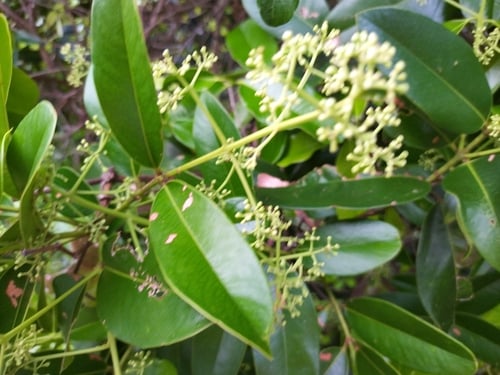
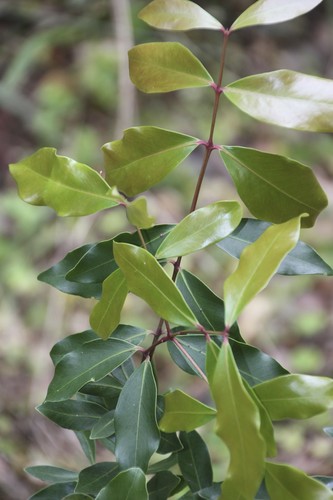
Myrcianthes leucoxyla
(Ortega) McVaugh
iNaturalist· cc-by-nc-nd
(c) Quimbaya, some rights reserved (CC BY-NC-ND)
iNaturalist· cc-by-nc
(c) valentinamorales, some rights reserved (CC BY-NC)
Description
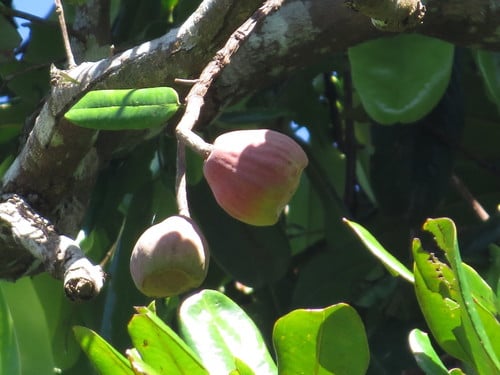
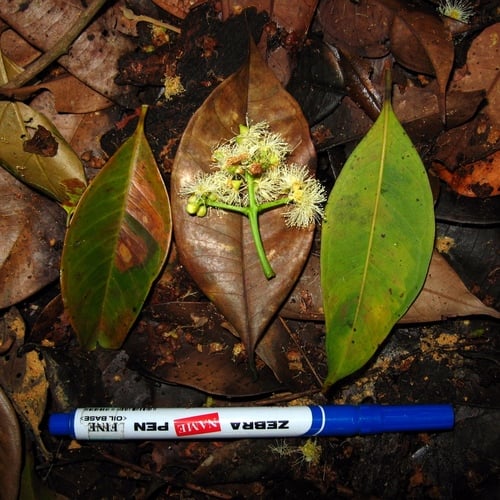
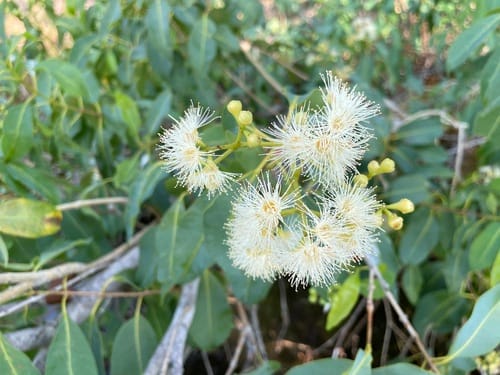
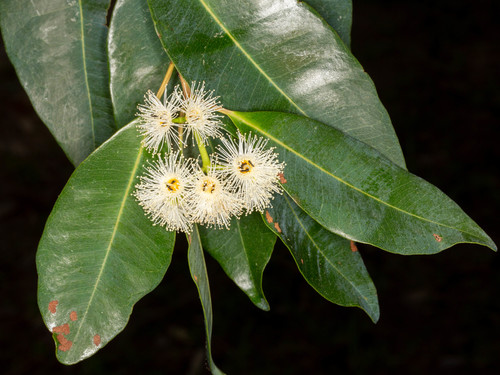
An evergreen shrub. It grows up to 2 m tall. The fruit are dark purple and have a thin skin. They are about 7-25 mm across. They are like grapes.
This description is brief — help expand it
Edible Uses
Fruit - raw. A delicate texture with a pleasant, sub-acid flavour. Somewhat suggestive of a grape. The dark purple fruits have a thin skin surrounding a whitish, juicy pulp. The fruit is an orange ro red, globose berry about 7 - 10mm in diameter with a single seed. Up to 25mm. Essential oils obtained from the leaves and fruits can be used as food flavourings.
Traditional Uses
The fruit are eaten raw.
This uses section is brief — help expand it
Medicinal Uses
The entire plant is used to cure and alleviate different ailments. for example, A concoction of the leaves is used to treat diarrhoea, relieve stomach pain, headache, calm the nerves and to relieve toothache. A concoction or an infusion of the bark is used to combat diabetes, hypertension, high cholesterol, as a treatment against herpes and to cure ulcers.
Distribution
It is a tropical plant. It grows between 2,100-3,100 m above sea level.
Where It Grows
Andes, Colombia, Ecuador, Peru, South America, Venezuela,
Cultivation
Requires a sunny position, thriving in most well-drained soils. Seedlings and young plants grow best in a shady position and in a rich moist soil2157].
Propagation
Seed - it has a very short viability of around 2 days after being extracted from the fruit. Fresh seed will usually germinate within 5 - 14 days of sowing.
Other Uses
Essential oils obtained from the leaves and fruits can be used in cosmetic products. The wood is hard and durable. A good quality wood, it has been used for a variety of purposes including the manufacture of tool handles, poles, bowls, rustic doors and construction in general. The plant has high potential as a pioneer species for re-establishing woodland - it often establishes itself in favourable micro-sites in areas of severe erosion and on rocky outcrops. Considered to be of high ecological importance, it is used in restoration projects in areas of severe erosion (wet spots and strips), to protect springs,etc and is planted to form natural corridors for birds etc.
Other Information
It is cultivated.
Synonyms
Also Known As
Arrayan, Guayabito, Palo blanco
References (8)
- Fern, K., 2012, Tropical Species Database http://theferns.info/tropical/
- Kermath, B. M., et al, 2014, Food Plants in the Americas: A survey of the domesticated, cultivated and wild plants used for Human food in North, Central and South America and the Caribbean. On line draft. p 559 (As Myrcianthes foliosa)
- Kew Plants of the World On line
- Lopez-Diago, D. & Garcia, N., 2021, Wild edible fruits of Colombia. Biota ColomBiana 22 (2) p 44
- Mansfeld,
Show all 8 references Hide references
- Martin, F.W., C.W. Campbell and R.M. Ruberté, 1987, Perennial edible fruits of the tropics - An inventory. United States Department of Agriculture, Agricultural Research Service, Agriculture Handbook No. 642. Washington, D.C., USA (As Myrtus foliosa)
- Roa, J. A. G. & Boada, D. S. G., 2018, Fundación para el Fortalecimiento de la Fruticultura y Plantas Alimenticias no Convencionales en Colombia.
- Torre, de la, L., et al, 2008, Enciclopedia de las Plantas Útiles del Ecuador. Herbario QCA. Pontificia Universidad Católica del Ecuador. p 468 (As Myrtus foliosa)