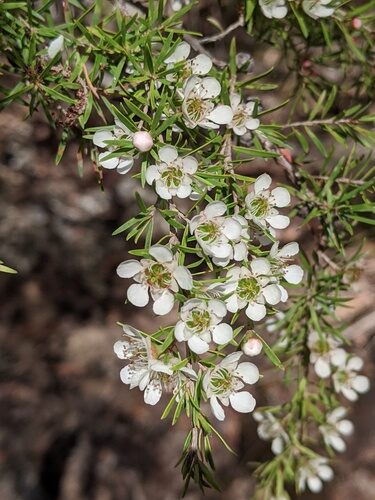
Eugenia oerstediana
O. Berg
Oersted eugenia
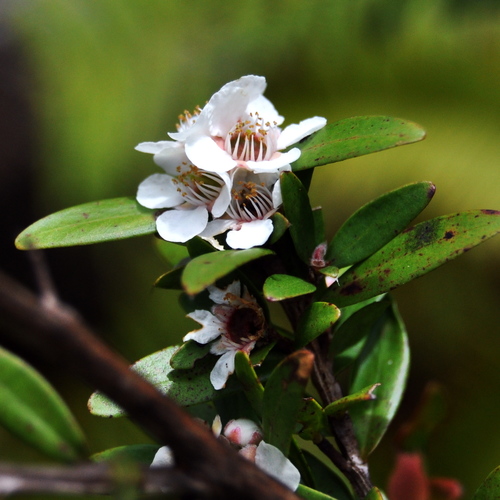
iNaturalist· cc-by-nc
(c) Leonardo Álvarez-Alcázar, some rights reserved (CC BY-NC), uploaded by Leonardo Álvarez-Alcázar
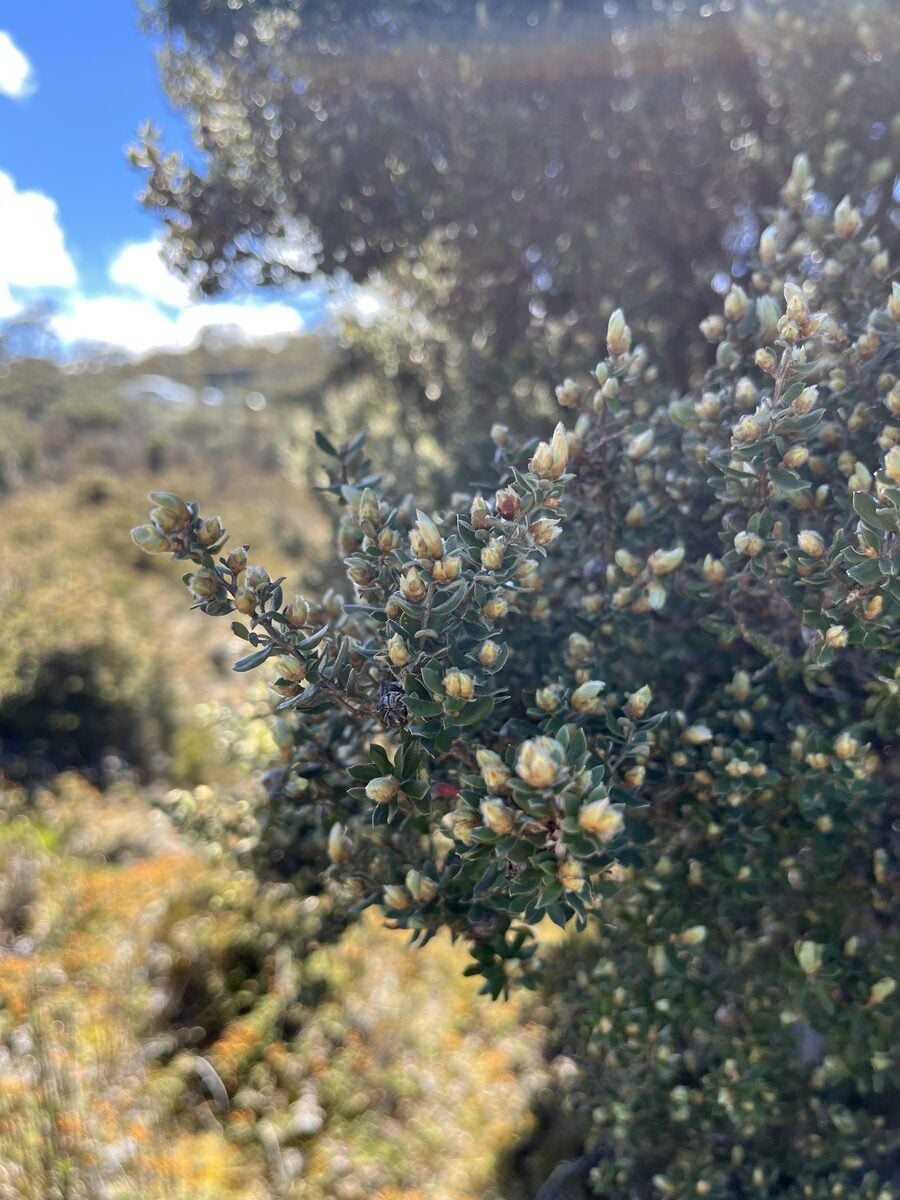
iNaturalist· cc-by-nc-sa
(c) Reinaldo Aguilar, some rights reserved (CC BY-NC-SA)
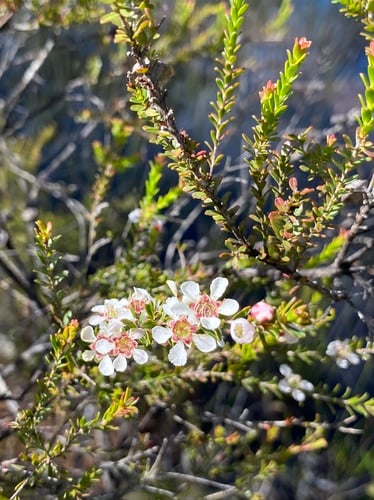
iNaturalist· cc-by-nc-sa
(c) Reinaldo Aguilar, some rights reserved (CC BY-NC-SA)
Description
An evergreen shrub or small tree. It grows 3-6 m tall. The fruit are round and about 1 cm across.
This description is brief — help expand it
Edible Uses
Fruit - raw. Eaten as a snack. The globose fruit is 6 - 10 mm in diameter, containing a single seed.
Distribution
It is a tropical plant. It grows in moist forests. It is usually at low elevations but can be up to 1,200 m above sea level.
Where It Grows
Amazon, Belize, Brazil, Central America, Colombia, Costa Rica, Ecuador, El Salvador, Guatemala, Honduras, Leeward Is., Mexico, Nicaragua, North America, Panama, Peru, South America, St. Vincent, Venezuela, Windward Is.,
Synonyms
Also Known As
Capulin guinda, Emiyuemo, Escobilla, Guayabillo, Guayabito morado, Jolteillo, Naranjillo de arbusto, Rainjan, Sequarra, Turu, Yaga
References (9)
- Fern, K., 2012, Tropical Species Database http://theferns.info/tropical/
- Grandtner, M. M. & Chevrette, J., 2013, Dictionary of Trees, Volume 2: South America: Nomenclature, Taxonomy and Ecology. Academic Press p 240
- JSTOR Gobal Plants
- Kermath, B. M., et al, 2014, Food Plants in the Americas: A survey of the domesticated, cultivated and wild plants used for Human food in North, Central and South America and the Caribbean. On line draft. p 356
- Kew Plants of the World Online
Show all 9 references Hide references
- Piedra-Malagón, E. M., et al, 2022, Edible native plants of the Gulf of Mexico Province. Biodiversity Data Journal 10: e80565 p 26
- Roa, J. A. G. & Boada, D. S. G., 2018, Fundación para el Fortalecimiento de la Fruticultura y Plantas Alimenticias no Convencionales en Colombia.
- Torre, de la, L., et al, 2008, Enciclopedia de las Plantas Útiles del Ecuador. Herbario QCA. Pontificia Universidad Católica del Ecuador. p 467
- World Checklist of Useful Plant Species 2020. Royal Botanic Gardens, Kew