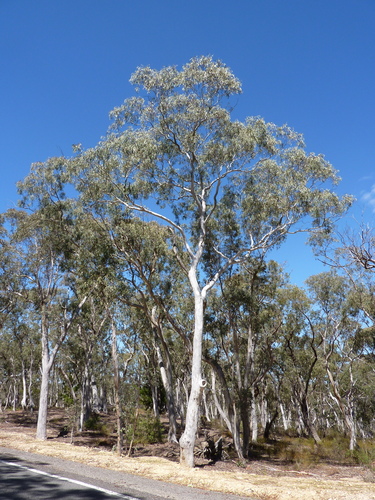
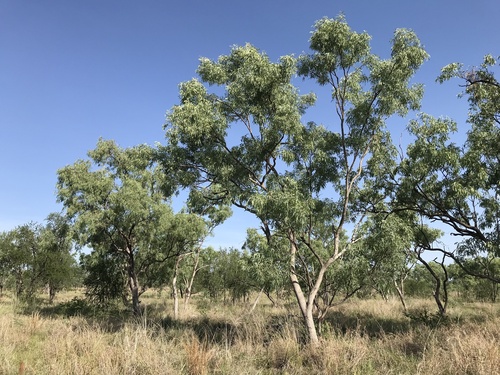
Heteropyxis natalensis
Harv.
Weeping lavender tree
iNaturalist· cc-by-nc
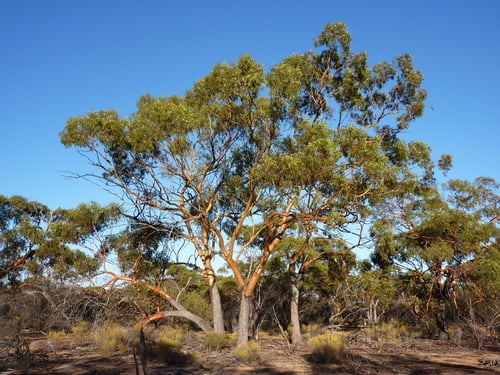
(c) Felix Riegel, some rights reserved (CC BY-NC), uploaded by Felix Riegel
iNaturalist· cc-by-nc
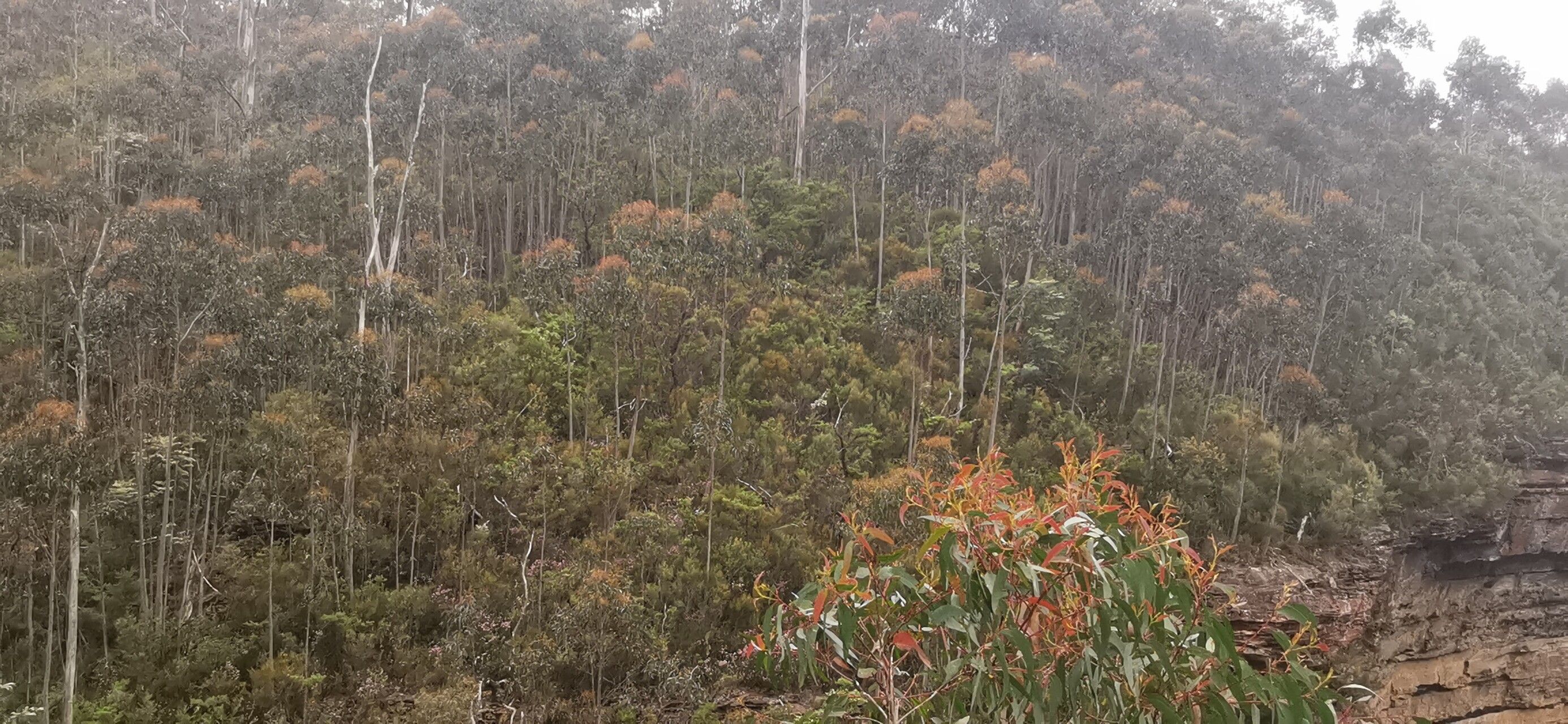
(c) Richard Gill, some rights reserved (CC BY-NC)
iNaturalist· cc-by-nc
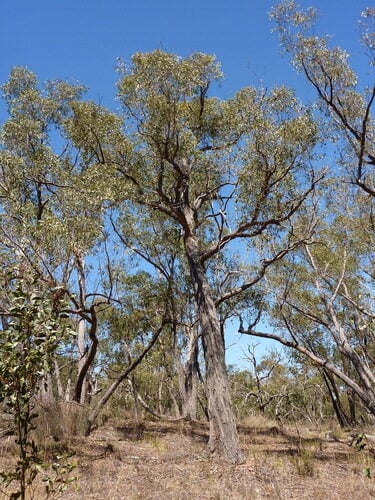
(c) Reuben Heydenrych, some rights reserved (CC BY-NC)
Description
A tree. It grow 20 m tall. The bark flakes off to expose smooth, orange new bark. The leaves have oil cavities. Crushed leaves have a smell.
This description is brief — help expand it
Edible Uses
The leaves are used to flavor tea and sweets.
Traditional Uses
The leaves are used to flavour tea and sweets.
This uses section is brief — help expand it
Distribution
It is a tropical and subtropical plant.
Where It Grows
Africa, Angola, Botswana, Central Africa, East Africa, Eswatini, Malawi, Mozambique, South Africa, Southern Africa, Swaziland, Zimbabwe,
Notes
There are 2 Heteropyxis species. Also put in the family Heteropyxidaceae.
Synonyms
Also Known As
Chohombe, Chuize, Cirussa, Incundze, Incuze, Inkunzi, Uhuzu, Xifite
References (5)
- Long, C., 2005, Swaziland's Flora - siSwati names and Uses http://www.sntc.org.sz/flora/
- Ruiters-Welcome, A. K., 2019, Food plants of southern Africa. Ph.D. thesis. Univ. of Johannesburg p 65
- van Wyk, B-E., 2011, The potential of South African plants in the development of new food and beverage products. South African Journal of Botany 77 (2011) 857–868
- Welcome, A. K. & Van Wyk, B.-E., 2019, An inventory and analysis of the food plants of southern Africa. South African Journal of Botany 122 (2019) 136–179
- White, F., Dowsett-Lemaire, F. and Chapman, J. D., 2001, Evergreen Forest Flora of Malawi. Kew. p 289