Eugenia francavilleana
O. Berg.
iNaturalist· cc-by-nc
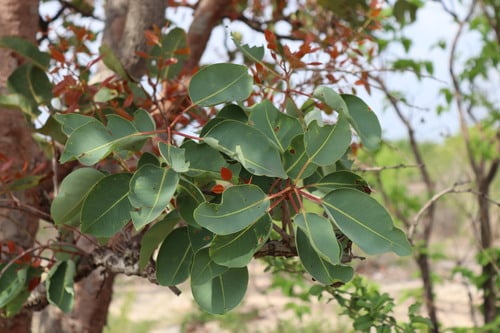
(c) Laurent Quéno, some rights reserved (CC BY-NC), uploaded by Laurent Quéno
iNaturalist· cc-by-nc
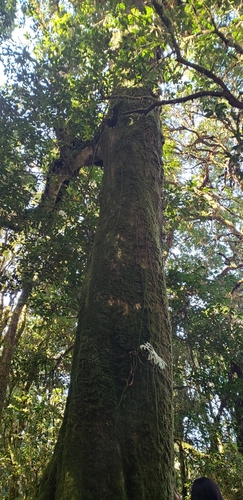
(c) Laurent Quéno, some rights reserved (CC BY-NC)
Description
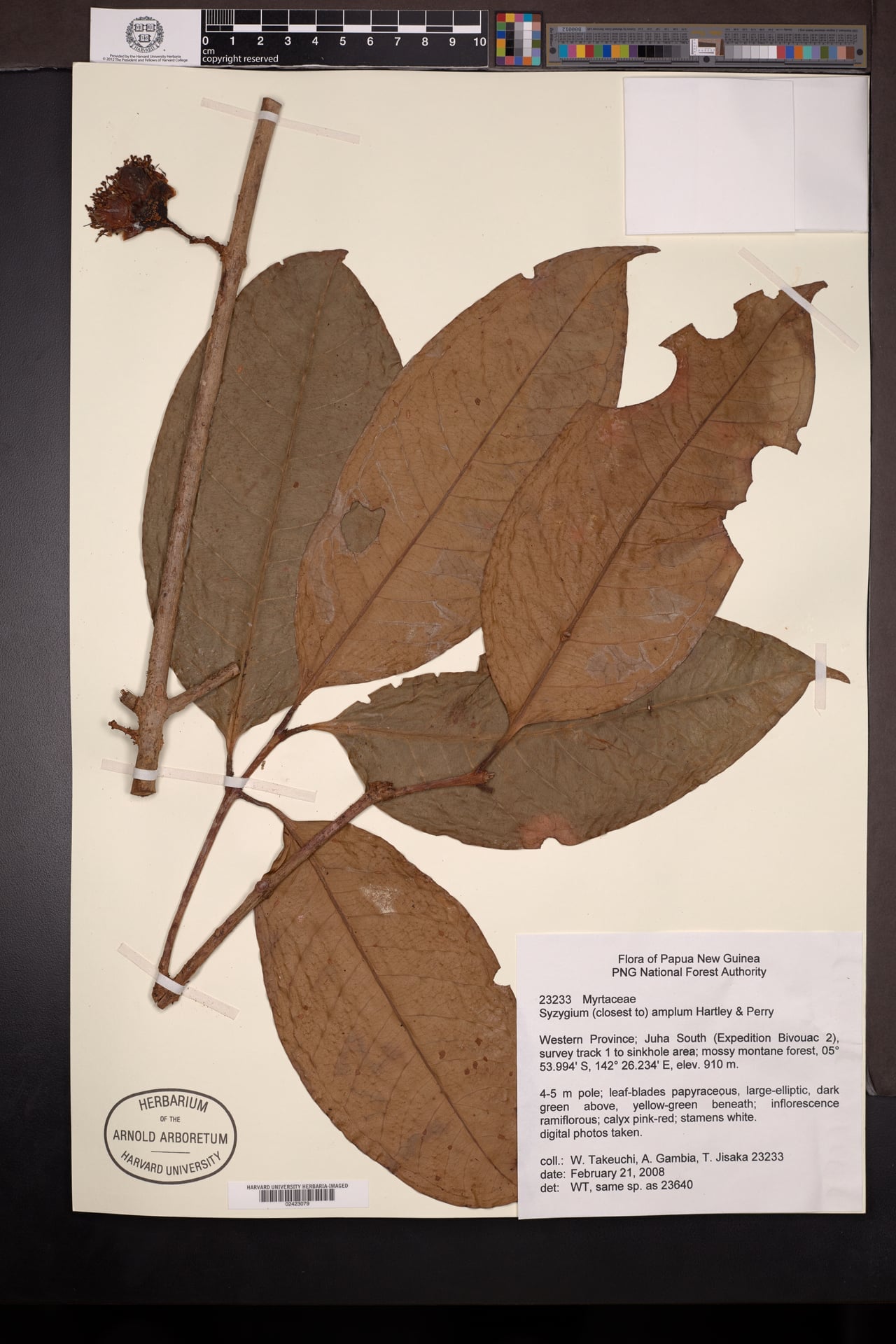
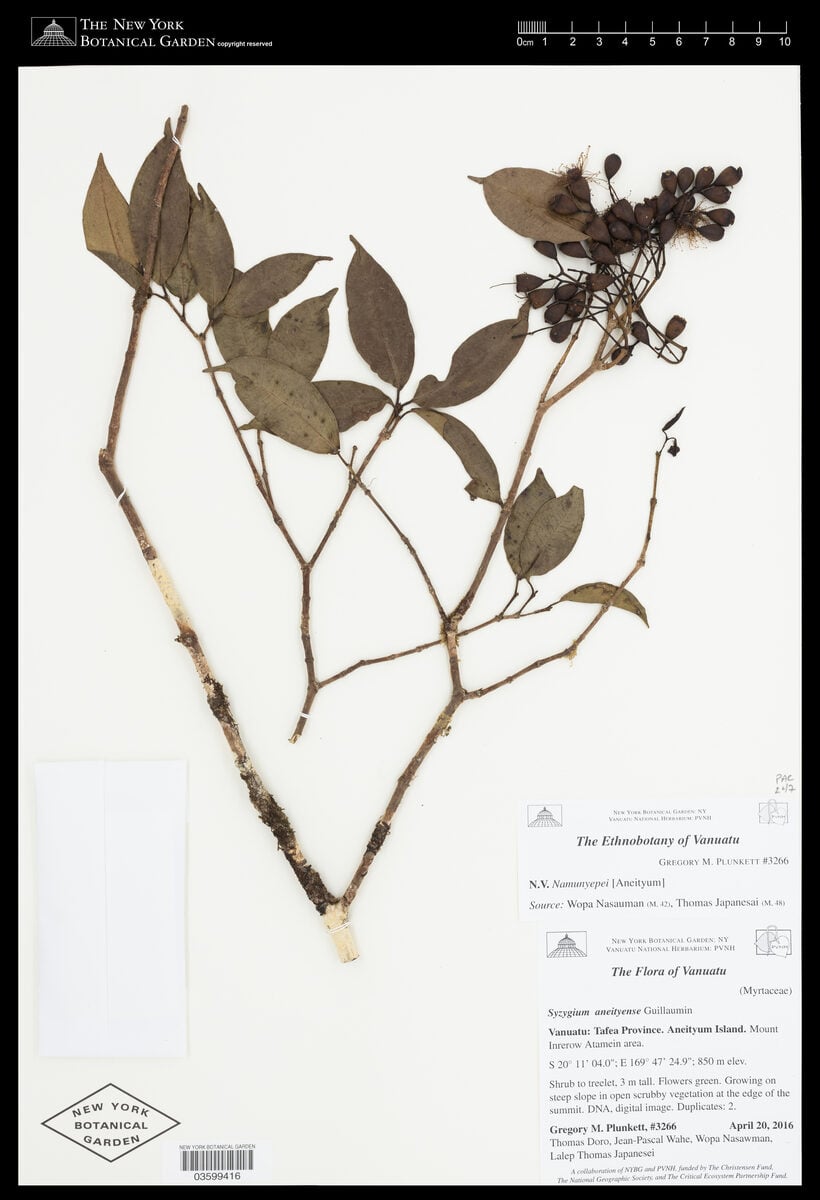
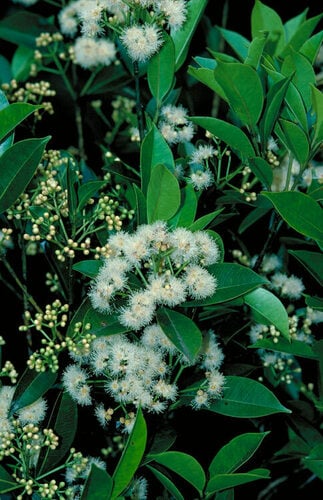
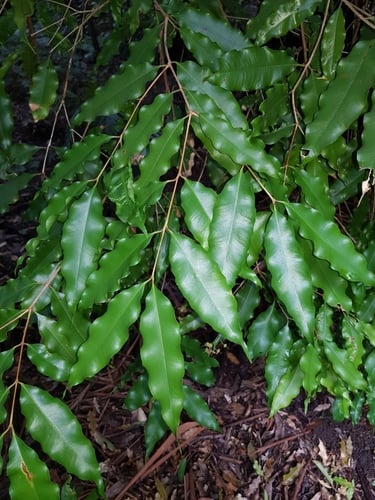
An evergreen shrub or small tree. The crown is a pyramid shape. It grwos 4-6 m tall. The trunk is 20-30 cm across. The fruit are red or pear shaped and 1.5 cm across.
Edible Uses
Fruit - raw. A fleshy, sweetish tasting pulp. The red to black, globose to pear-shaped fruit is around 15mm in diameter.
Traditional Uses
The fruit are raw. They are sweet and tasty.
This uses section is brief — help expand it
Distribution
It is a tropical plant. It grows in semi-deciduous forest. It suits sandy, well-drained soils. It is best in a sunny position.
Where It Grows
Brazil, South America,
Cultivation
Plants can be grown from fresh seeds. Seedlings in a nursery can be planted out after 6 months.
Propagation
Seed - best sown as soon as it is ripe in a sunny position in a nursery seedbed. A germination rate in excess of 50% can be expected, with the seed sprouting within 15 - 25 days. When the seedlings are 4 - 5cm tall, pot them up into individual containers and they should be ready to plant out 5 - 6 months later.
Other Uses
The wood is fine-textured, straight-grained, moderately heavy, soft to cut, with poor mechanical properties and low durability. It can be used, mainly for internal work, in small general constructions; for tool handles; light cabinet making etc. The wood is used for fuel. Tolerant of full sun and providing an edible fruit that is also a valuable food source for the native fauna, the plant can be used as a pioneer when restoring native woodland or establishing a woodland garden.
References (2)
- Fern, K., 2012, Tropical Species Database http://theferns.info/tropical/
- Lorenzi, H., 2002, Brazilian Trees. Volume 2.