Bactris bidentula
Spruce
Nejilla
iNaturalist· cc-by
(c) Enrique Salazar, some rights reserved (CC BY), uploaded by Enrique Salazar
iNaturalist· cc-by
(c) Enrique Salazar, some rights reserved (CC BY)
Description
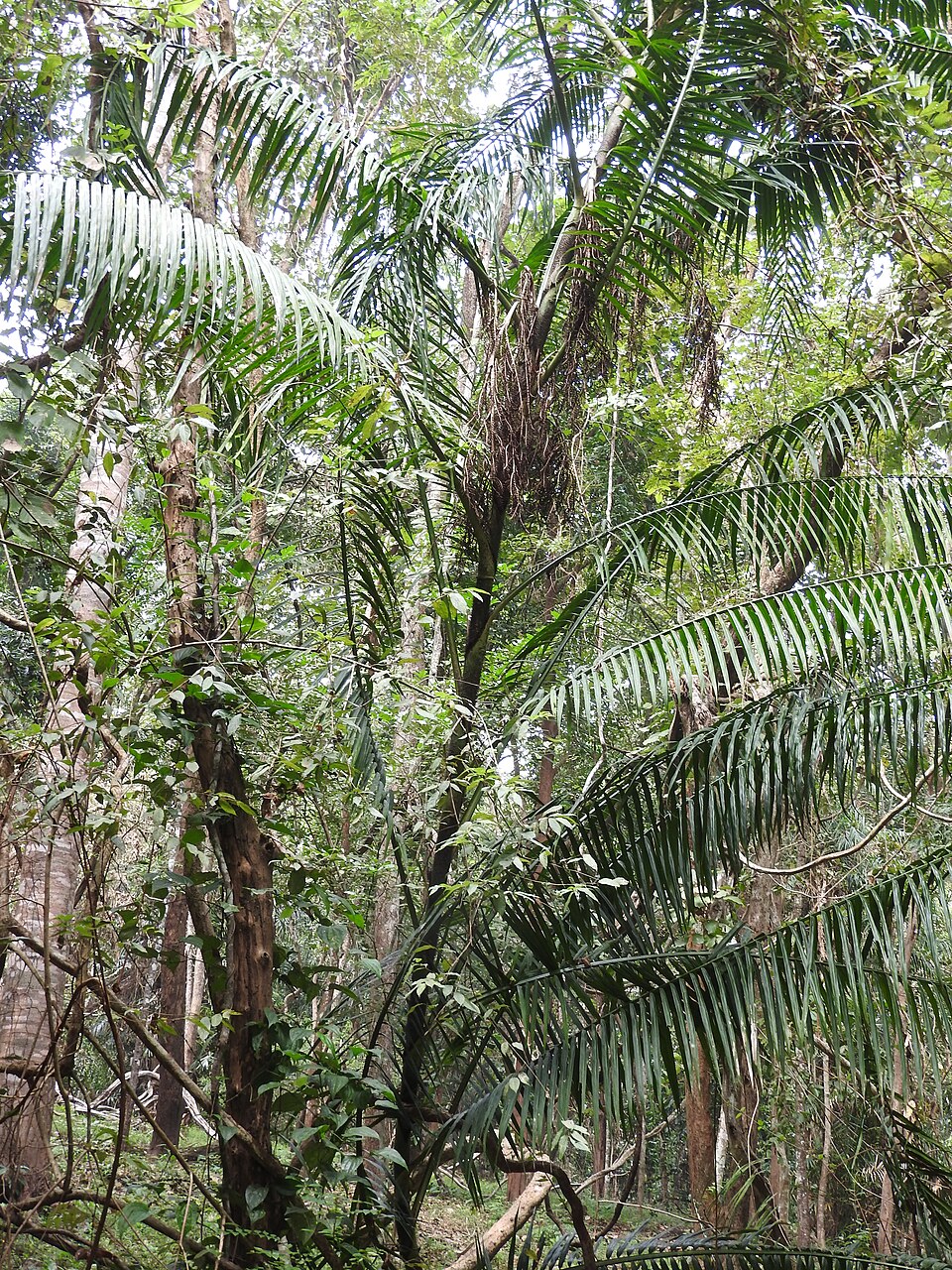
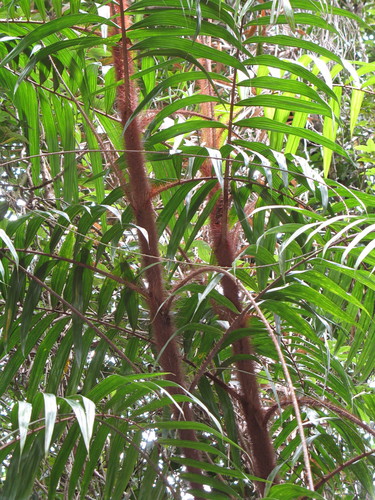
A palm. It forms clumps. There can be 50 trunks. They grow 4 m tall. There are spines on the trunk. There are about 12 fruit in a clump. The fruit are rounded. They are about 2 cm across. The skin is red. The flesh is acidic. The flesh is pale green and there is one black seed.
Edible Uses
Leaves - cooked. The apical bud, often known as a 'palm heart', is eaten as a vegetable. Eating this bud leads to the death of the tree because it is unable to make side shoots.
Traditional Uses
The fruit are eaten fresh. They are also used for juice.
This uses section is brief — help expand it
Distribution
It is a tropical plant. It grows on flood plains and in black water streams. It grows between 80-200 m above sea level.
Where It Grows
Amazon, Bolivia, Brazil, Colombia, Guianas, Peru, South America, Venezuela,