Cajanus goensis
Dalzell
Katori peren
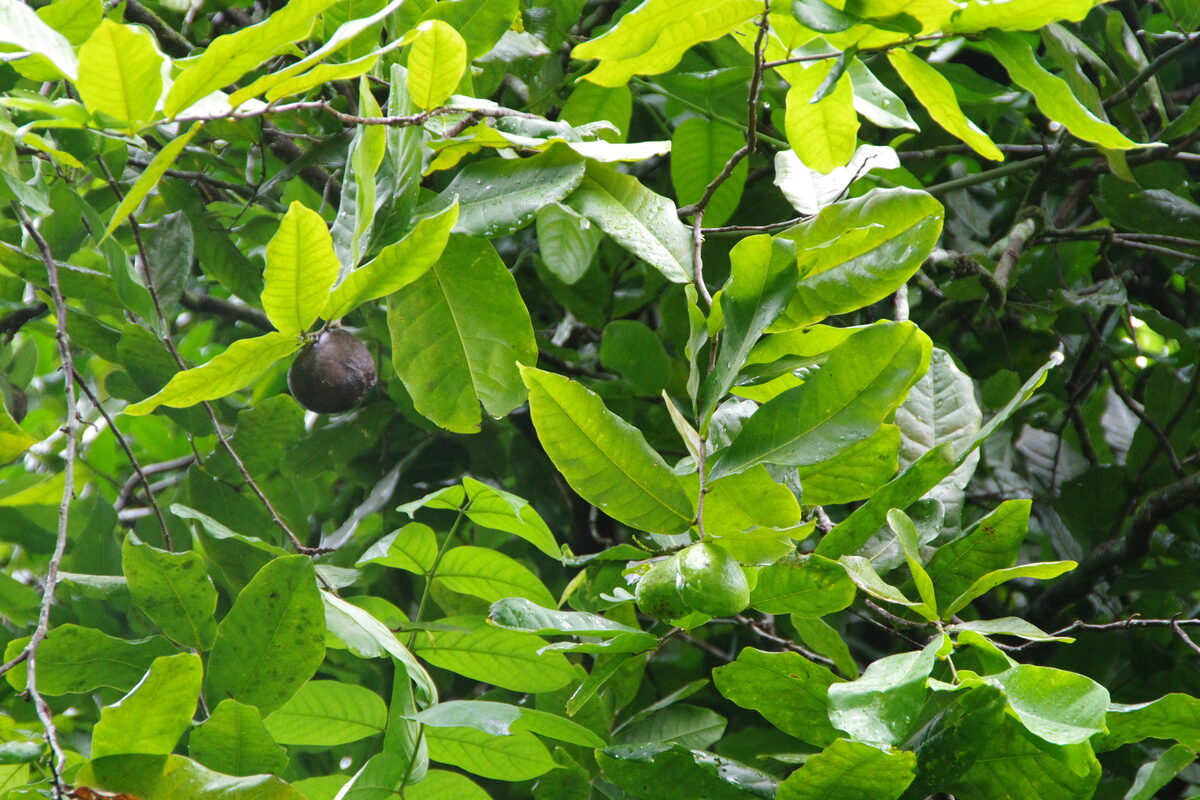
iNaturalist· cc-by-nc
(c) 刘光裕 Liu Guangyu, some rights reserved (CC BY-NC), uploaded by 刘光裕 Liu Guangyu
iNaturalist· cc-by-nc
(c) MP Zhou, some rights reserved (CC BY-NC)
iNaturalist· cc-by-nc
(c) MP Zhou, some rights reserved (CC BY-NC)
Description
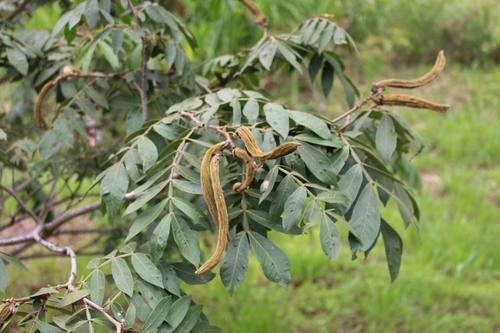
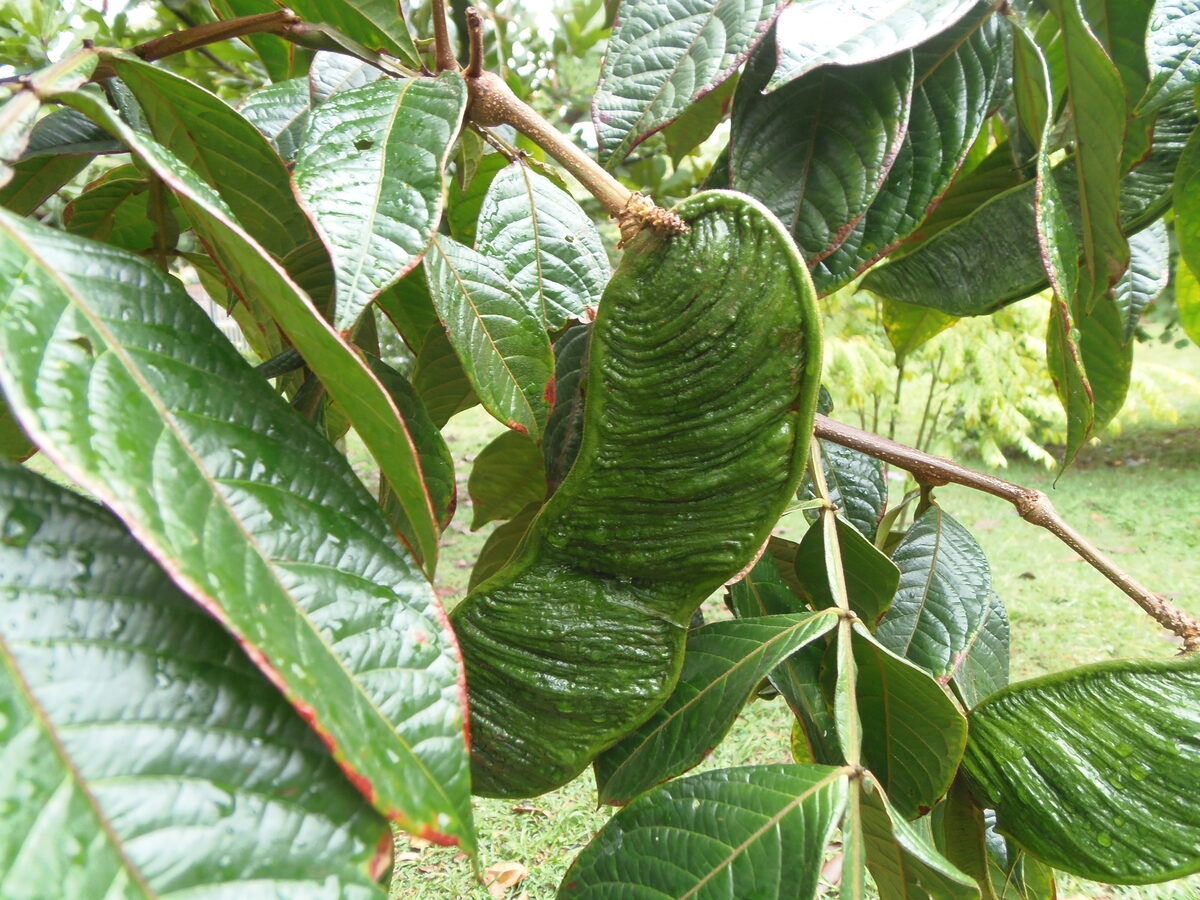
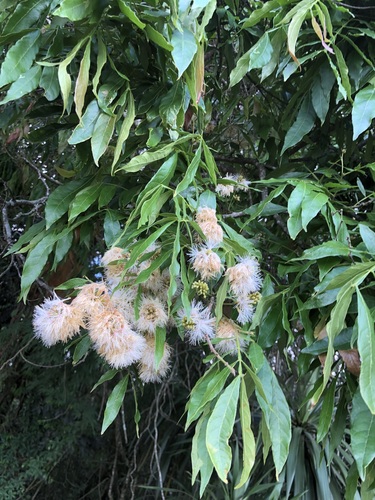
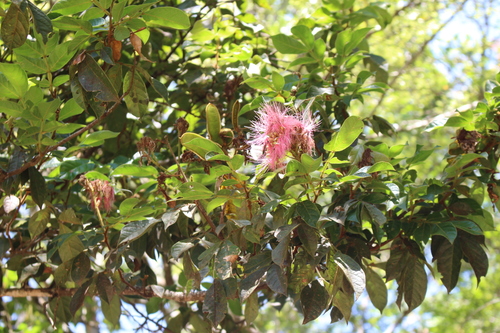
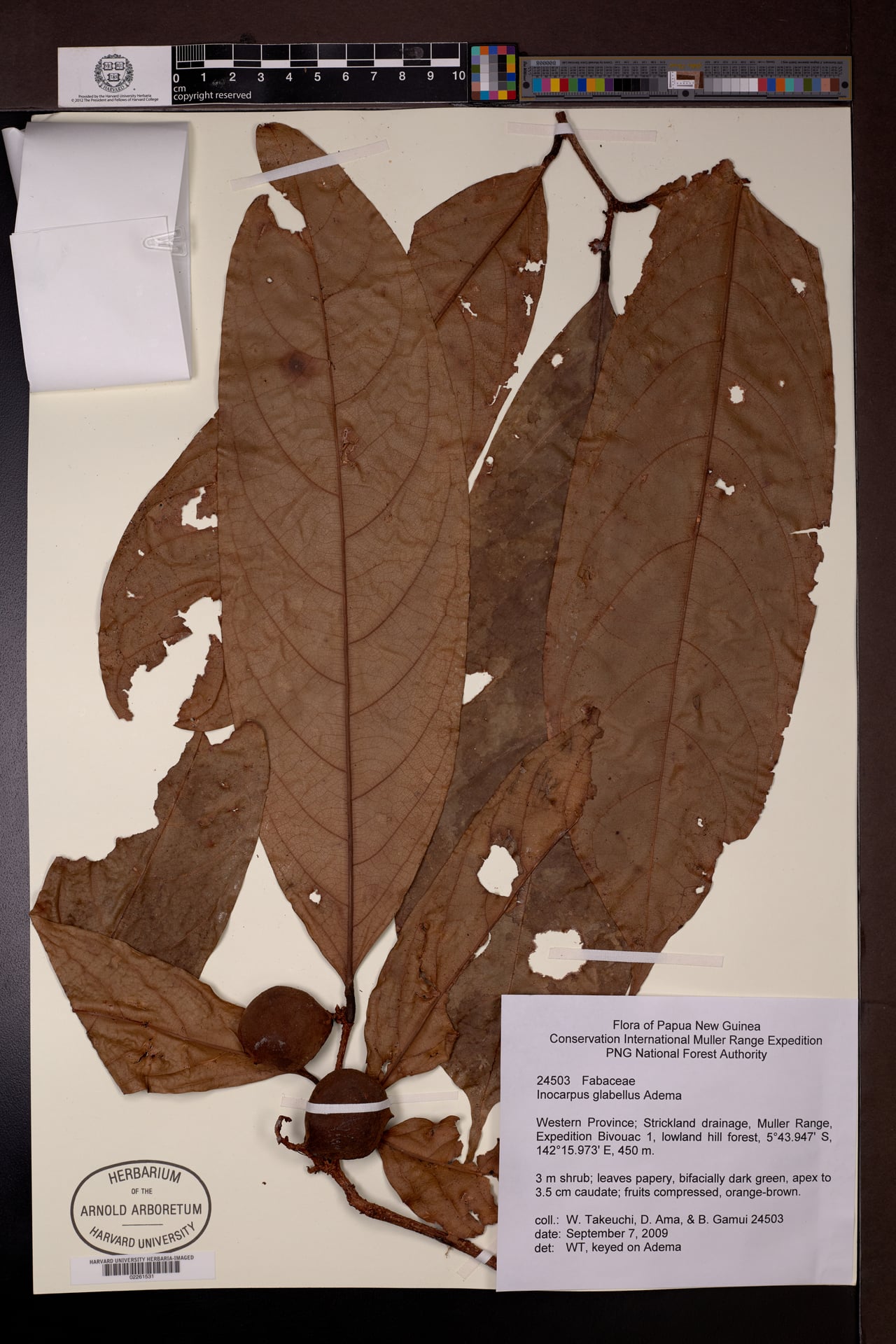
A bean. It is a woody twining vine. It can grow several metres tall. The young stems are hairy. The leaves have 3 leaflets. The leaf stalk is 3-7 cm long. The end leaflet is oval and 5-10 cm long by 4-5 cm wide. The base is rounded and they taper to the tip. The flowers are about 3 cm across. The pod is 4-6 cm long by 1 cm wide. It is straight and hairy. There are 5-7 brown seeds.
Edible Uses
The seeds are used in soups, and the leaves are also eaten.
Traditional Uses
The seeds are used for soup.
This uses section is brief — help expand it
Distribution
It is a tropical plant. In southern China it grows between 1,000-1,300 m above sea level. In Yunnan.
Where It Grows
Asia, Bangladesh, China, Himalayas, India, Indochina, Indonesia, Laos, Malaysia, Myanmar, Northeastern India, SE Asia, Thailand, Vietnam,
Synonyms
Also Known As
Mi yor por, Som
References (3)
- Gangwar, A. K. & Ramakrishnan, P. S., 1990, Ethnobotanical Notes on Some Tribes of Arunachal Pradesh, Northeastern India. Economic Botany, Vol. 44, No. 1 pp. 94-105 (As Atylosia goensis)
- Kew Plants of the World Online
- Sutjaritjai, N., et al, 2019, Traditional Uses of Leguminosae among the Karen in Thailand. Plants 2019, 8, 600 p 5