Bambusa odashimae
Hatus ex D. Z. Li & Stapleton
Wu chiao lu chu
iNaturalist· cc-by-nc
(c) amygoog, some rights reserved (CC BY-NC)
Summary
Fast-growing evergreen bamboo reaching 15 m tall with a 10 m spread. Hardy to UK zone 9. Adapts to light sandy, medium loamy, and heavy clay soils with well-drained conditions. Tolerates mildly acid to basic pH levels. Grows in semi-shade or full sun, prefers moist soil. Wind-pollinated with good wind tolerance but poor maritime exposure tolerance.
Description
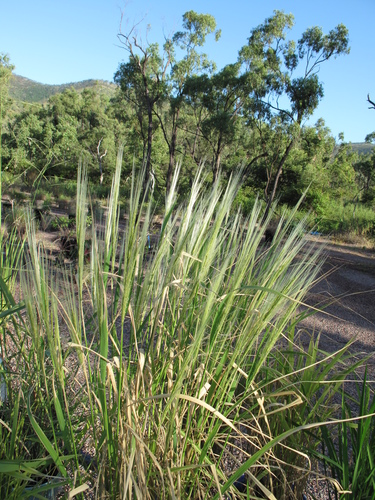
A bamboo. It is evergreen and clumping. It grows 10-20 m tall. The stems are 4-12 cm across. There are many branches from lower nodes.
This description is brief — help expand it
Edible Uses
Edible Parts: Shoots Edible Uses: Edible portion: Shoots. Young shoots, harvested as they emerge from the soil, cooked. A delicious flavour. The shoots are up to 13cm in diameter. Considered similar to B. oldhamii, but highly prized for edible shoots due to its crisp flesh, similar to Asian pears.
Traditional Uses
Young shoots are cooked and eaten.
This uses section is brief — help expand it
Medicinal Uses
None known
Distribution
It is a tropical and subtropical plant. It grows in lowland hilly areas.
Where It Grows
Asia, China, Japan, Taiwan,
Cultivation
Bamboos have an interesting method of growth. Each plant produces a number of new stems annually - these stems grow to their maximum height in their first year of growth, subsequent growth in the stem being limited to the production of new side branches and leaves. In the case of some mature tropical species the new stem could be as much as 30 metres tall, with daily increases in height of 30cm or more during their peak growth time. This makes them some of the fastest-growing species in the world. Bamboos in general are usually monocarpic, living for many years before flowering, then flowering and seeding profusely for a period of 1 - 3 years before usually dying.
Propagation
Seed - surface sow in containers as soon as it is ripe, preferably at a temperature around 20c. Do not allow the compost to dry out. Germination usually takes place fairly quickly so long as the seed is of good quality, though it can take 3 - 6 months. Prick out the seedlings into containers when they are large enough to handle and grow on in a lightly shaded place until large enough to plant out. Plants only flower at intervals of many years and so seed is rarely available. Division as new growth commences. Take divisions with at least three canes in the clump, trying to cause as little root disturbance to the main plant as possible. Grow them on in light shade in pots of a high fertility sandy medium. Mist the foliage regularly until plants are established. Plant them out into their permanent positions when a good root system has developed, which can take a year or more.
Other Uses
Other Uses: None known Special Uses Food Forest
Other Information
It is a cultivated plant. The shoots are enjoyed.
Synonyms
Also Known As
Odashimae Bamboo
References (4)
- Arora, R. K., 2014, Diversity in Underutilized Plant Species - An Asia-Pacific Perspective. Bioversity International. p 46 (As Sinocalamus edulis)
- Fern, K., 2012, Tropical Species Database http://theferns.info/tropical/
- http://www.plantnames.unimelb.edu.au/sorting/Bamboos_Edible.html
- Zeven, A. C. & de West, J. M. J., 1982, Dictionary of cultivated plants and their regions of diversity. Wageningen. p 39 (As Sinocalamus edulis)