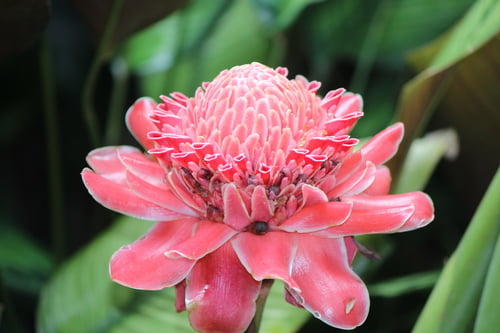
Renealmia africana
Benth.
iNaturalist· cc-by-nc
(c) Léo Giardi, some rights reserved (CC BY-NC), uploaded by Léo Giardi
iNaturalist· cc-by-nc
(c) Léo Giardi, some rights reserved (CC BY-NC), uploaded by Léo Giardi
iNaturalist· cc-by-nc
(c) Léo Giardi, some rights reserved (CC BY-NC), uploaded by Léo Giardi
Description
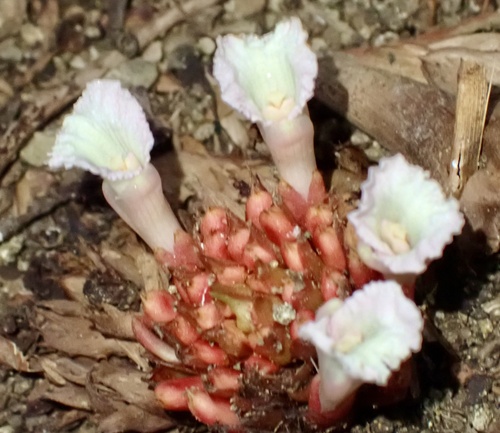
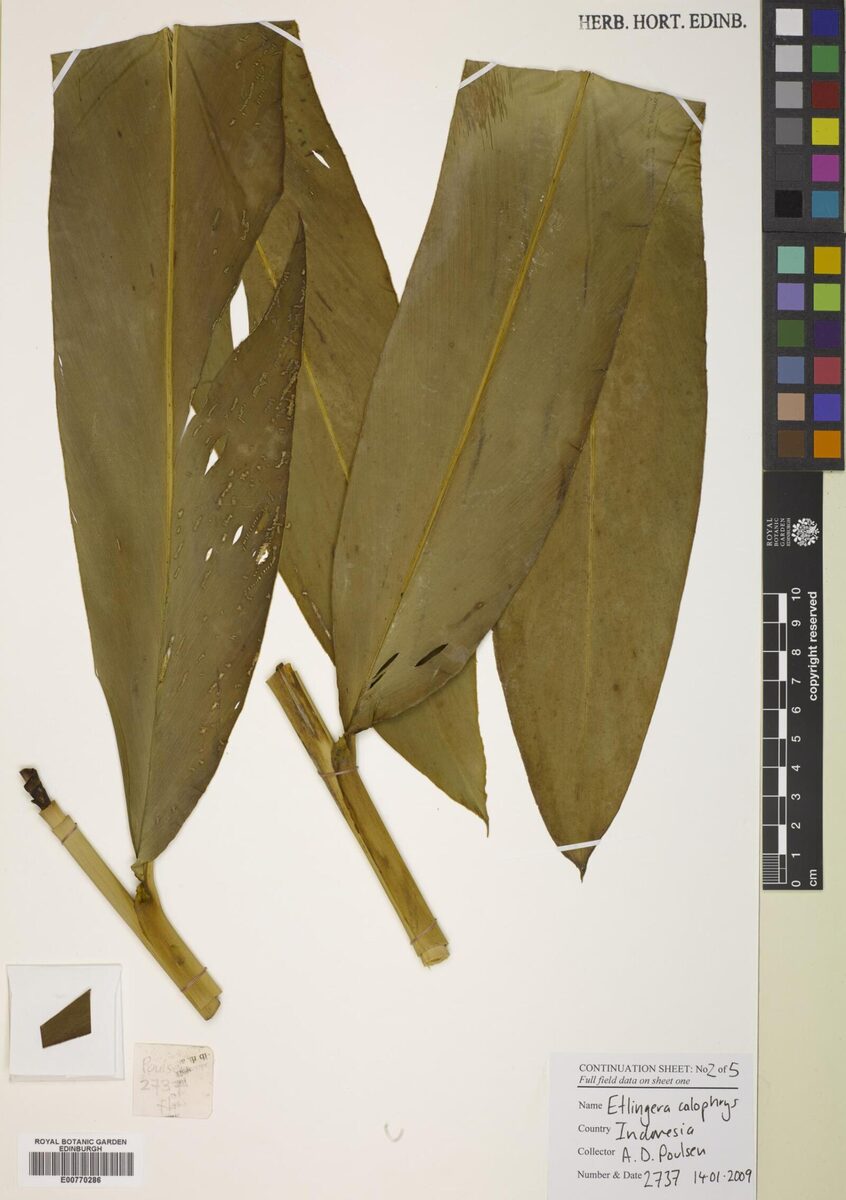
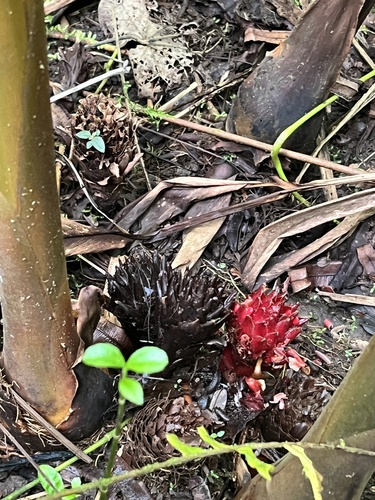
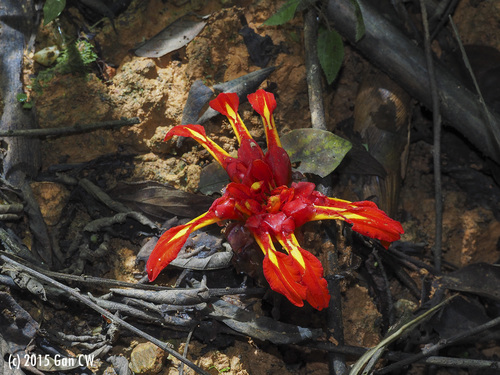
A ginger family herb. It grows 1.5 m tall. It has rhizomes and leafy stems. The flowers have a reddish axis up to 25 cm long. This comes from the rhizome. The flowers are white. The fruit are red and turn black.
Edible Uses
The fruit is eaten raw.
Traditional Uses
The fruit are eaten raw.
This uses section is brief — help expand it
Distribution
It is a tropical plant. It grows in high forests in hilly country.
Where It Grows
Africa, Angola, Cameroon, Central Africa, Central African Republic, CAR, Congo DR, Congo R, Equatorial Guinea, Gabon, Nigeria, Togo, West Africa,
Production
In Central African Republic fruit have been observed throughout much of the year.
Synonyms
Also Known As
Dinsasa dia mpumba, Ekoko, Mansansa, Monse
References (4)
- Lautenschläger, T., et al, 2018, First large-scale ethnobotanical survey in the province of Uíge, northern Angola. Journal of Ethnobiology and Ethnomedicine (2018) 14:51
- Tanno, T., 1981, Plant Utilization of the Mbuti Pygmies: With Special reference to their Material Culture and Use of Wild Vegetable Foods. Kyoto University Research. African Study Monographs 1:1-54
- Terashima, H., et al, 1992, Ethnobotany of the Lega in the Tropical Rainforest of Eastern Zaire (Congo): Part Two, Zone de Walikale, African Study Monographs, Suppl. 19:1-60
- Terashima, H., & Ichikawa, M., 2003, A comparative ethnobotany of the Mbuti and Efe hunter-gatherers in the Ituri Forest, Democratic Republic of Congo. African Study Monographs, 24 (1, 2): 1-168, March 2003