Duroia hirsuta
(Poepp. & Endl.) K. Schum.
Hairy duroia
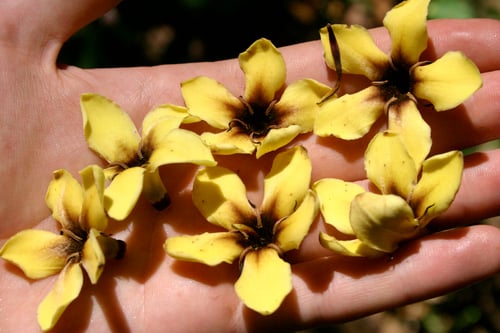
iNaturalist· cc-by-nc
(c) Apipa, some rights reserved (CC BY-NC), uploaded by Apipa
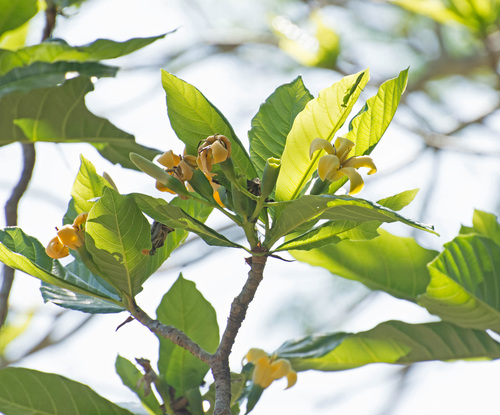
iNaturalist· cc-by-nc
(c) navasalfredo, some rights reserved (CC BY-NC)
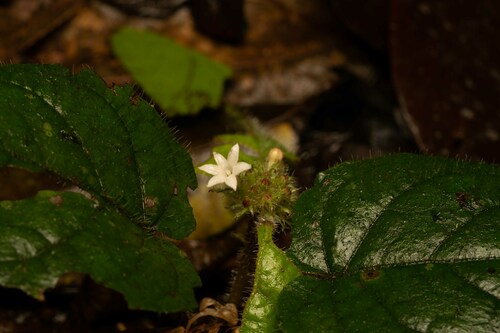
iNaturalist· cc-by-nc
(c) Marcus Athaydes, some rights reserved (CC BY-NC)
Summary
Source: WikipediaDuroia hirsuta is a myrmecophyte tree species from the Amazon Forest. It is one of some 37 species of Duroia, which are shrubs or canopy trees in the family Rubiaceae, favoring ants (myrmecophilous), and occurring in Central America as far north as Mexico, the Amazon Basin, the Guiana Shield, the Brazilian Atlantic coast and planalto.
Description
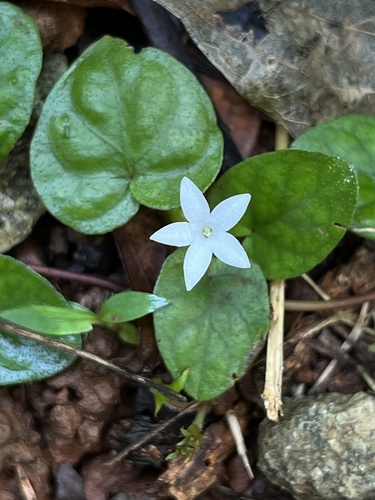
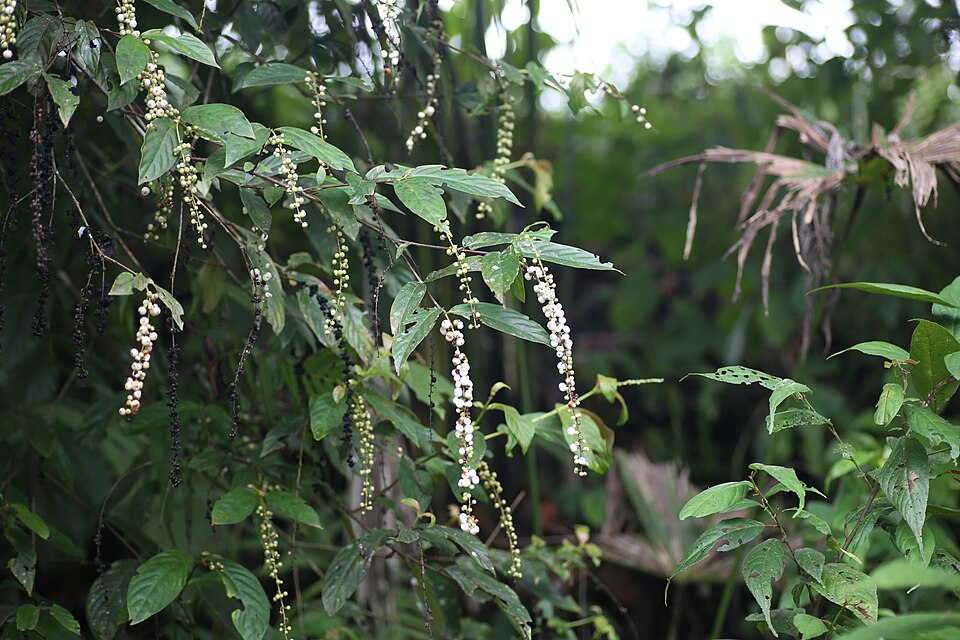
A tree. It grows 5-16 m tall. The leaves are oblong and 10-28 cm long. They are hairy. The flowering shoots are at the ends of the branches. The flowers are white. The fruit is erect and narrowly oval.
Edible Uses
The fruit is edible. The tree is often infested with edible ants.
Distribution
It is a tropical plant. It grows in low-lying areas that are flooded for an extended time.
Where It Grows
Amazon, Brazil, Central America, Colombia, Ecuador, Guatemala, Guyana, Mexico, Panama, Peru, South America*, Venezuela,
Cultivation
It can inhibit the growth of other plants near it. It is often infested with ants. The ants often are edible.
Synonyms
Also Known As
Ananku kaspi, Ayiyu, Huitillo, Huito del supay, Kurawa kaspi, Palo del diablo, Sapequeiro, Siki pichak, Spuay palanta, Tupa aviyu, Turmaemico, Uchu lunpas, Uchulumpa
References (9)
- Bendezu, Y. F., 2018, Arboles nativos de lad Region Ucayali. Instituto Nacional de Innovacion Agraria. p 273
- Daly, D. C., An Index of Common Names of Plants in Acre, Brazil. New York Botanical Garden Universidade Federal do Acre.
- Grandtner, M. M. & Chevrette, J., 2013, Dictionary of Trees, Volume 2: South America: Nomenclature, Taxonomy and Ecology. Academic Press p 212
- Kew Plants of the World Online
- Lopez-Diago, D. & Garcia, N., 2021, Wild edible fruits of Colombia. Biota ColomBiana 22 (2) p 50
Show all 9 references Hide references
- NYBG herbarium "edible"
- Roa, J. A. G. & Boada, D. S. G., 2018, Fundación para el Fortalecimiento de la Fruticultura y Plantas Alimenticias no Convencionales en Colombia.
- Torre, de la, L., et al, 2008, Enciclopedia de las Plantas Útiles del Ecuador. Herbario QCA. Pontificia Universidad Católica del Ecuador. p 544
- Van den Eynden, V., & Cueva, E., 2008, Las plantas en la alimentacion. Enciclopedia de las Plantas Utiles del Ecuador. Herbario QCA & Herbario AAU. Quito & Aarhus. 2008: 62–66