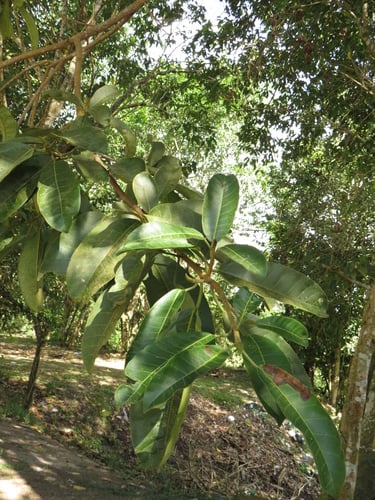
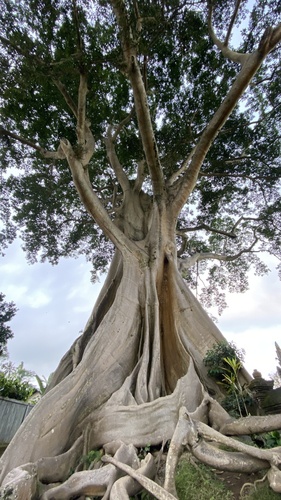
Morus indica
L.
Indian mulberry
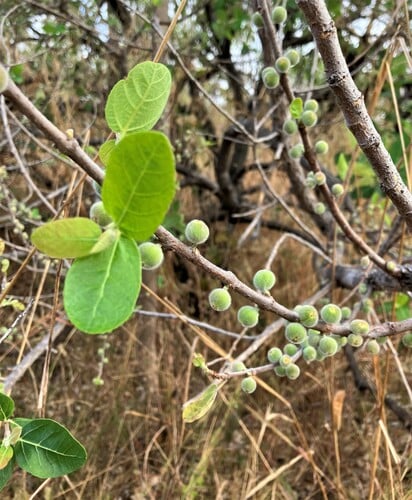
iNaturalist· cc0
no rights reserved, uploaded by 葉子
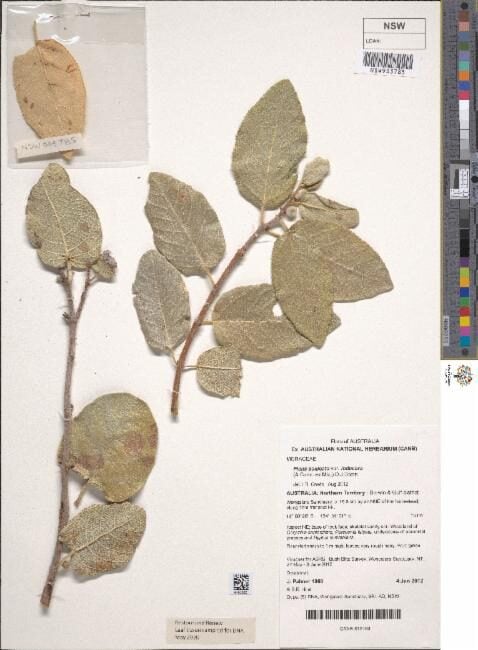
iNaturalist· cc0
no rights reserved, uploaded by 葉子
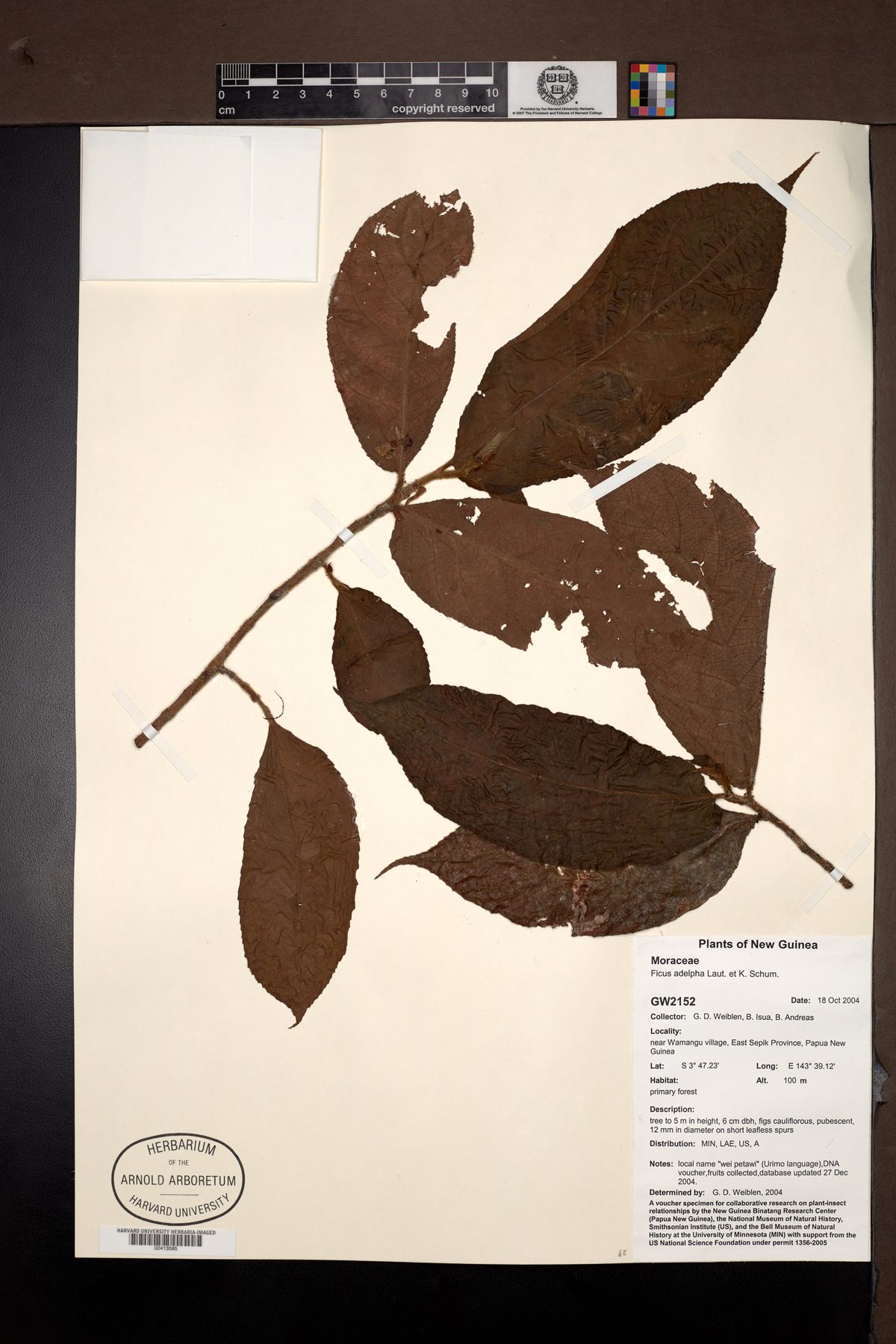
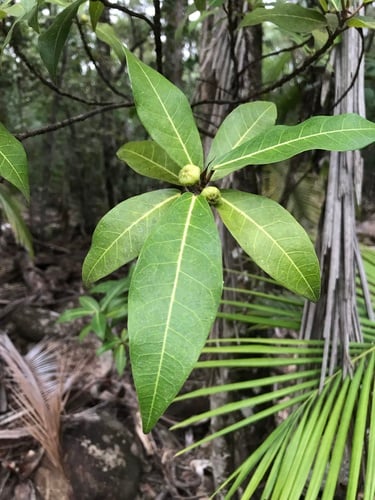
iNaturalist· cc0
no rights reserved, uploaded by 葉子
Summary
Source: WikipediaMorus indica is a species of flowering plant in the mulberry family Moraceae. As with other mulberries, it is a deciduous tree. Morus indica is native to the temperate and sub-tropical Himalayan region and is currently cultivated in India, China, Japan, and East Africa.
Description
A shrub or small tree. The small branches are hairy when young. The leaves are oval and can have lobes. There are teeth along the edge. The leaves are 4-12 cm long by 3-9 cm wide. Male and female flowers are often on separate branches. The fruit are black when ripe.
Edible Uses
The ripe fruit are eaten fresh and used to make jams, jellies, and drinks. The buds are used as a vegetable.
Traditional Uses
The fruit are used to make jams, jellies and drinks. The ripe fruit are eaten fresh. The buds are used as a vegetable.
This uses section is brief — help expand it
Distribution
It is a tropical plant.
Where It Grows
Africa, Asia, Bangladesh, China, Colombia, East Africa, Himalayas, India, Japan, Mozambique, Myanmar, Nepal, Northeastern India, Pakistan, SE Asia, Sikkim, South America, Sri Lanka, Tanzania,
Also Known As
Deshi tut, Eidibala, Kimbu, Labri, Latek, Mawn, Mekrap-kung, Momontsungthi, Ngap-septing, Posa, Sahtoot, Sanu-kimbu, Soit, Toor toot
References (13)
- Arora, R. K., 2014, Diversity in Underutilized Plant Species - An Asia-Pacific Perspective. Bioversity International. p 78
- Dangol, D. R. et al, 2017, Wild Edible Plants in Nepal. Proceedings of 2nd National Workshop on CUAOGR, 2017.
- Ghimeray, A. K., Lamsal, K., et al, 2010, Wild edible angiospermic plants of the Illam Hills (Eastern Nepal) and their mode of use by local community. Korean J. Pl. Taxon. 40(1)
- Goode, P., 1989, Edible Plants of Uganda. FAO p 37
- Harkonen, M. & Vainio-Mattila, K., 1998, Some examples of Natural Products in the Eastern Arc Mountains. Journal of East African Natural History 87:265-278
Show all 13 references Hide references
- Mozhui, R., et al, 2011, Wild edible fruits used by the tribals of Dimapur district of Nagaland, India. Pleione 5(1): 56 - 64.
- Murtem, G. & Chaudhrey, P., 2016, An ethnobotanical note on wild edible plants of Upper Eastern Himalaya, India. Brazilian Journal of Biological Sciences, 2016, v. 3, no. 5, p. 63-81
- Pasha, M. K. & Uddin, S. B., 2019, Minor Edible Fruits of Bangladesh. Bangladesh J. Plant Taxon. 26(2): 299–313
- Roa, J. A. G. & Boada, D. S. G., 2018, Fundación para el Fortalecimiento de la Fruticultura y Plantas Alimenticias no Convencionales en Colombia.
- Savita, et al, 2006, Studies on wild edible plants of ethnic people in east Sikkim. Asian J. of Bio Sci. (2006) Vol. 1 No. 2 : 117-125
- Sher, Z., Hussain, F., & Ibrar, M., 2014, Traditional knowledge on plant resources of Ashezai and Salarzai Valleys, District Buner, Pakistan. African Journal of Plant Science. Vol. 8(1), pp. 42-53, January 2014
- Tomar, A., Kumar, A., & Dubey, K., 2002, Underutilized Wild Edible fruits of Nutritional and Medicinal Value. J. Res. Educ. Indian Med., Vol XX1
- World Checklist of Useful Plant Species 2020. Royal Botanic Gardens, Kew