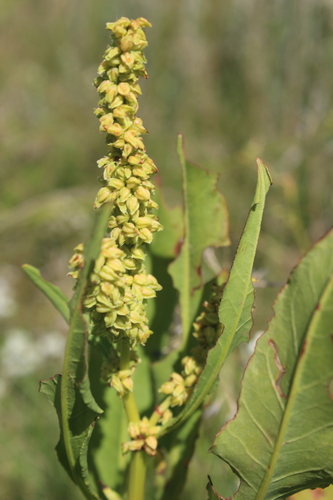
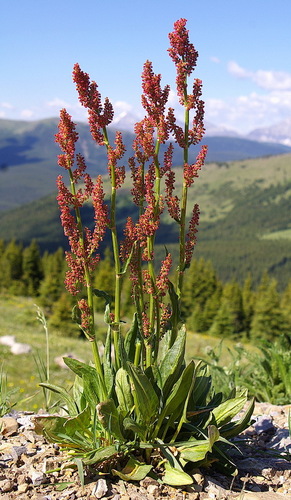
Polygonum virginianum
L.
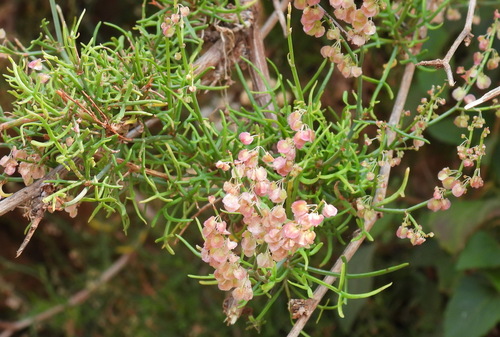
iNaturalist· cc-by
(c) Emily Summerbell, some rights reserved (CC BY)
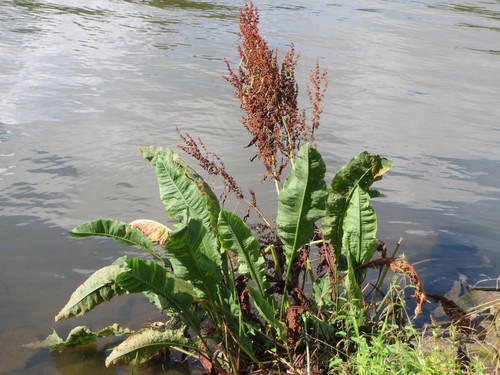
iNaturalist· cc-by
(c) Emily Summerbell, some rights reserved (CC BY)
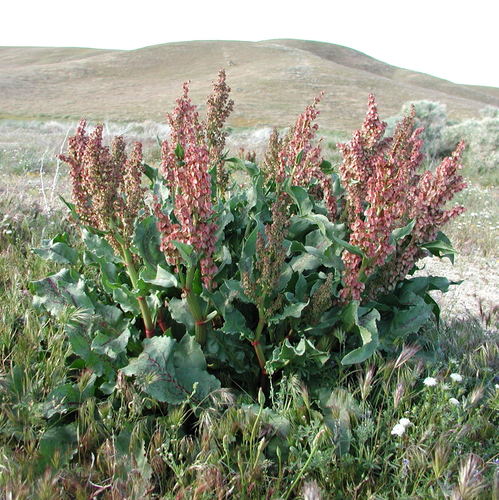
iNaturalist· cc-by
(c) Emily Summerbell, some rights reserved (CC BY)
Summary
A perennial herbaceous plant reaching 0.6 m (2 ft) tall and wide, growing at a medium rate. Hardy to UK zone 5. Flowers appear from August to October, with seeds ripening September to November. The plant is hermaphroditic and insect-pollinated. It tolerates light sandy, medium loamy, and heavy clay soils across a mildly acid to basic pH range. Grows in semi-shade or full sun and prefers moist soil conditions.
Description
A perennial herbaceous plant reaching 0.6 m (2 ft) tall and wide, growing at a medium rate. Hardy to UK zone 5. Flowers appear from August to October, with seeds ripening September to November. The plant is hermaphroditic and insect-pollinated. It tolerates light sandy, medium loamy, and heavy clay soils across a mildly acid to basic pH range. Grows in semi-shade or full sun and prefers moist soil conditions.
Edible Uses
Leaves can be eaten raw or cooked. Seeds are also edible raw or cooked, though they are quite small and fiddly to work with.
Traditional Uses
The young shoots are cooked and eaten.
This uses section is brief — help expand it
Medicinal Uses
The plant is astringent, demulcent, diuretic, pectoral, and tonic. A hot infusion of the leaves combined with honey locust bark (Gleditsia triacanthos) has been used in the treatment of whooping cough.
Known Hazards
Although no specific mention has been made for this species, there have been reports that some members of this genus can cause photosensitivity in susceptible people. Many species also contain oxalic acid (the distinctive lemony flavour of sorrel) - whilst not toxic this substance can bind up other minerals making them unavailable to the body and leading to mineral deficiency. Having said that, a number of common foods such as sorrel and rhubarb contain oxalic acid and the leaves of most members of this genus are nutritious and beneficial to eat in moderate quantities. Cooking the leaves will reduce their content of oxalic acid. People with a tendency to rheumatism, arthritis, gout, kidney stones or hyperacidity should take especial caution if including this plant in their diet since it can aggravate their condition.
Distribution
It is a temperate plant. It can grow in shade.
Where It Grows
Asia, Canada, India, Myanmar, North America, Northeastern India, SE Asia, USA,
Cultivation
Succeeds in an ordinary garden soil but prefers a moisture retentive not too fertile soil in sun or part shade. Repays generous treatment. Plants seem to be immune to the predations of rabbits. A polymorphic species.
Propagation
Sow seed in spring in a cold frame; germination is usually free and easy. Once seedlings are large enough to handle, prick them out into individual pots and plant out during summer if they have reached sufficient size. If not, overwinter in a cold frame and plant out the following spring after the last expected frosts. Division can be done in spring or autumn. Larger divisions can go directly into permanent positions, but smaller divisions are better potted up and grown on in light shade in a cold frame until well established, then planted out in late spring or early summer.
Other Uses
None known
Synonyms
Also Known As
Pekammajam
References (1)
- Srivastava, R. C., 2010, Traditional knowledge of Nyishi (Daffla) tribe of Arunachal Pradesh. Indian Journal of Traditional Knowledge. 9(1):26-37 (As Polygonum virginianum)