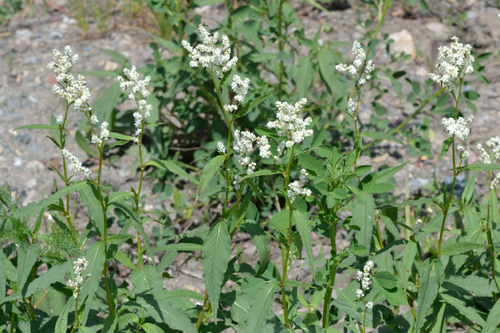
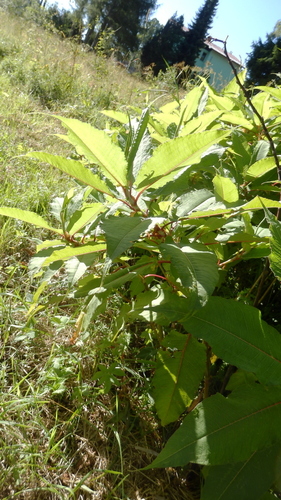
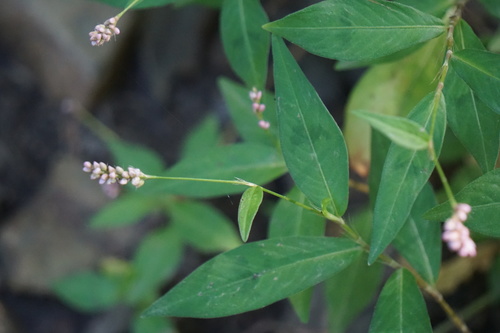
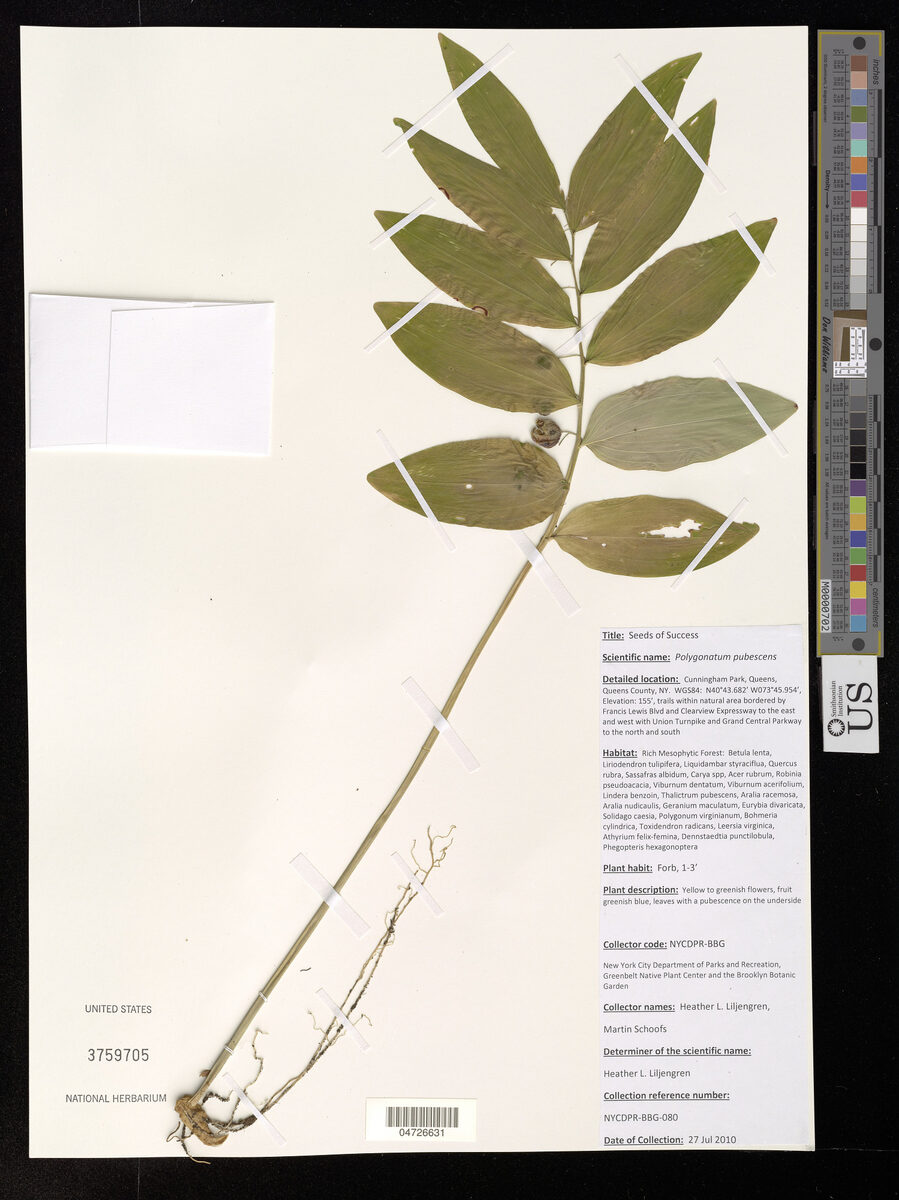
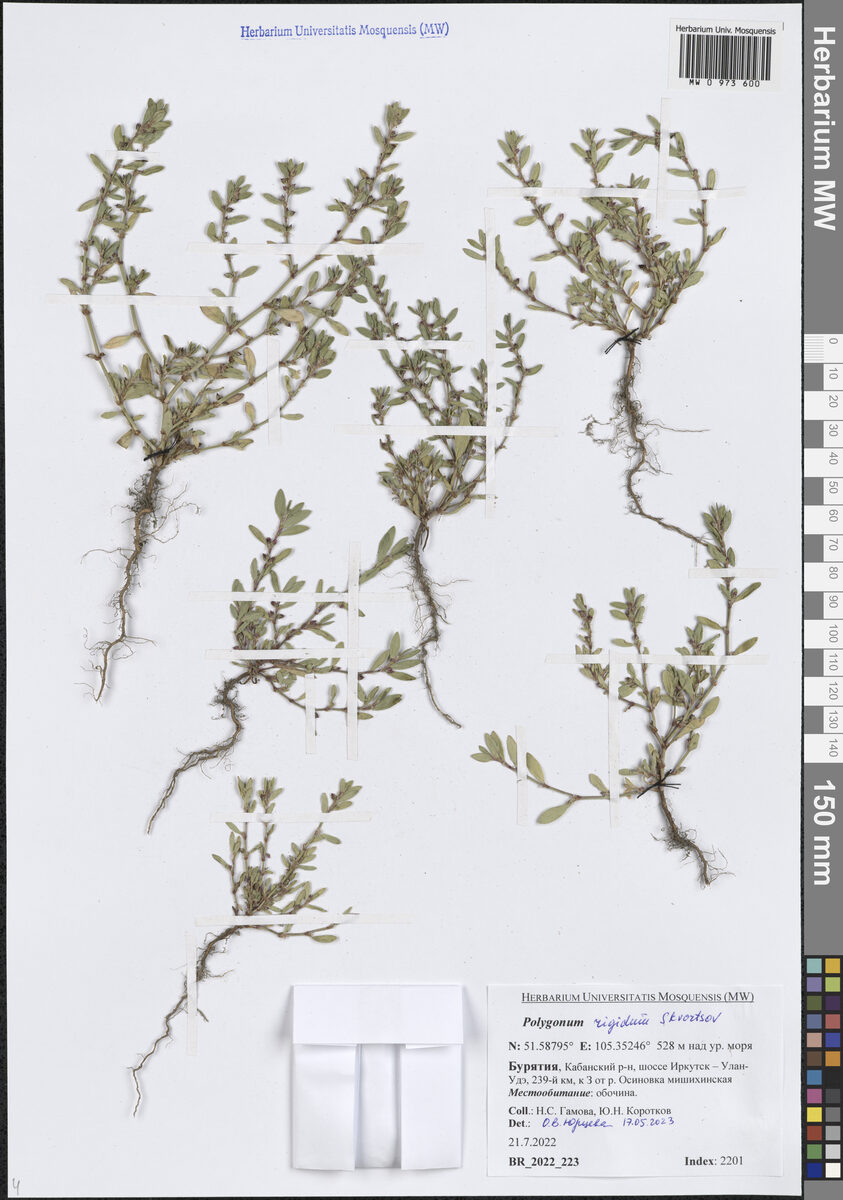
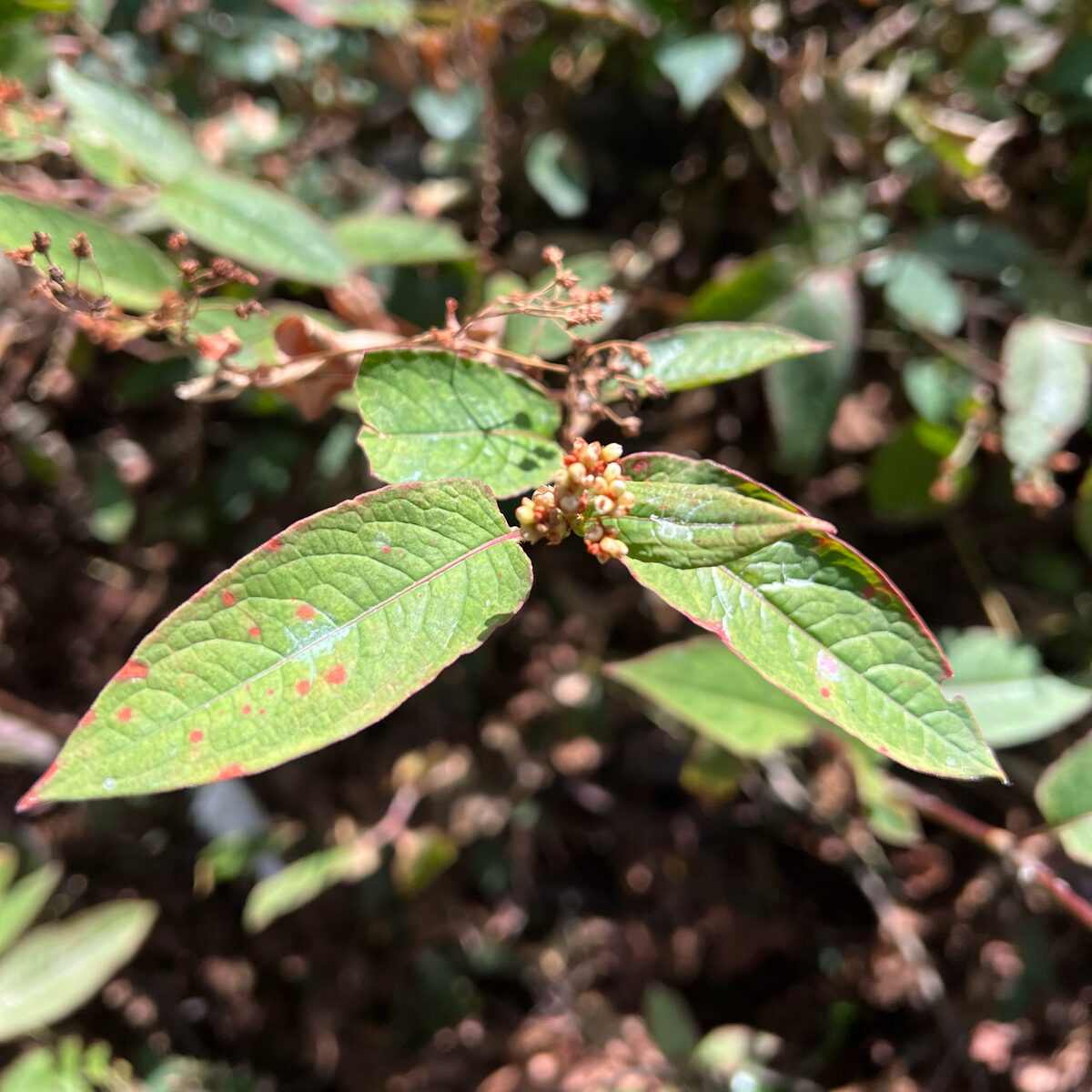
Rumex japonicus
Houtt.
iNaturalist· cc0
no rights reserved, uploaded by 葉子
iNaturalist· cc-by-nc
(c) irene2021, some rights reserved (CC BY-NC)
iNaturalist· cc-by-nc
(c) irene2021, some rights reserved (CC BY-NC)
Summary
A perennial growing to 1 m, hermaphroditic and wind-pollinated. Flowers May to June with seeds ripening June to July. Tolerates light sandy, medium loamy, and heavy clay soils with good drainage. Suitable for mildly acidic to basic soil pH. Grows in semi-shade or full sun and prefers moist soil conditions.
Description
A perennial growing to 1 m, hermaphroditic and wind-pollinated. Flowers May to June with seeds ripening June to July. Tolerates light sandy, medium loamy, and heavy clay soils with good drainage. Suitable for mildly acidic to basic soil pH. Grows in semi-shade or full sun and prefers moist soil conditions.
Edible Uses
Leaves can be cooked as a vegetable, added to soups, or dried for later use. The seed is cooked and used with rice or ground into a powder for making dumplings.
Traditional Uses
The young shoots are eaten in spring.
This uses section is brief — help expand it
Medicinal Uses
None known.
Known Hazards
Plants can contain quite high levels of oxalic acid, which is what gives the leaves of many members of this genus an acid-lemon flavour. Perfectly alright in small quantities, the leaves should not be eaten in large amounts since the oxalic acid can lock-up other nutrients in the food, especially calcium, thus causing mineral deficiencies. The oxalic acid content will be reduced if the plant is cooked. People with a tendency to rheumatism, arthritis, gout, kidney stones or hyperacidity should take especial caution if including this plant in their diet since it can aggravate their condition.
Distribution
It is a temperate plant. In China it grows between sea level and 3,400 m above sea level. It grows in wetlands. In Sichuan.
Where It Grows
Asia, China, Japan, Korea, Russia, Taiwan,
Cultivation
We have very little information on this species and do not know if it will be hardy in Britain, though judging by its native range it should succeed outdoors in most parts of this country. The following notes are based on the general needs of the genus. Succeeds in most soils but prefers a deep fertile moderately heavy soil that is humus-rich, moisture-retentive but well-drained and a position in full-sun or part shade.
Propagation
Sow seed in spring in situ. Can also be propagated by division in spring.
Other Uses
No dye data specific to this species has been recorded, but roots of many plants in this genus yield dark green to brown and dark grey dyes without the need for a mordant.
Notes
There are about 200 Rumex species.
References (4)
- Flora of China @ efloras.org Volume 5
- Pemberton, R. W. & Lee, N. S., 1996, Wild Food Plants in South Korea: Market Presence, New Crops, and Exports to the United States. Economic Botany, Vol. 50, No. 1, pp. 57-70
- Plants for a Future database, The Field, Penpol, Lostwithiel, Cornwall, PL22 0NG, UK. http://www.scs.leeds.ac.uk/pfaf/
- Zhang, Y., et al, 2014, Diversity of wetland plants used traditionally in China: a literature review. Journal of Ethnobiology and Ethnomedicine. 10:72