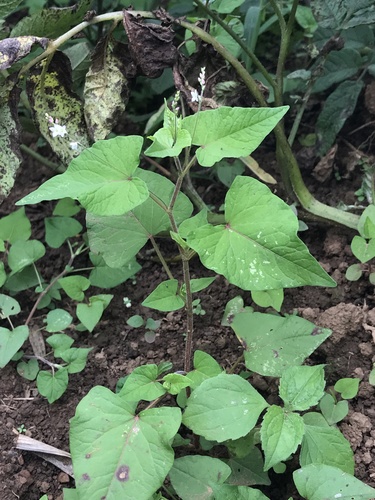
Polygonum caespitosum
Bl.
Tufted knotweed
Polygonaceae Edible: Leaves, Vegetable
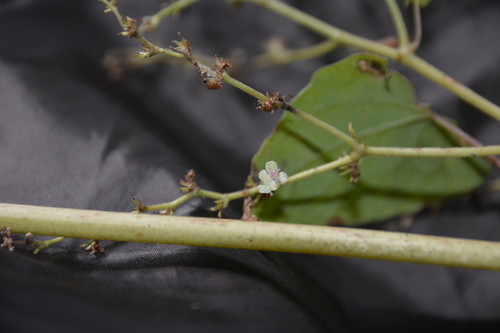
iNaturalist· cc-by-nc
(c) Sara Rall, some rights reserved (CC BY-NC)
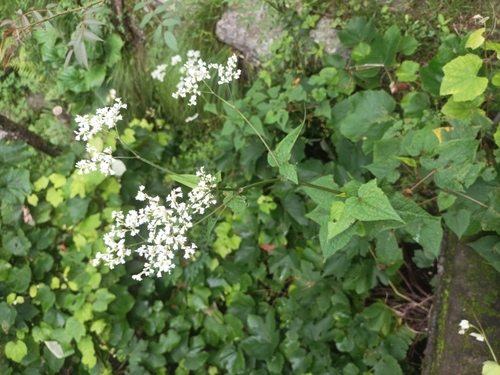
iNaturalist· cc-by-nc
(c) katharina2525, some rights reserved (CC BY-NC)
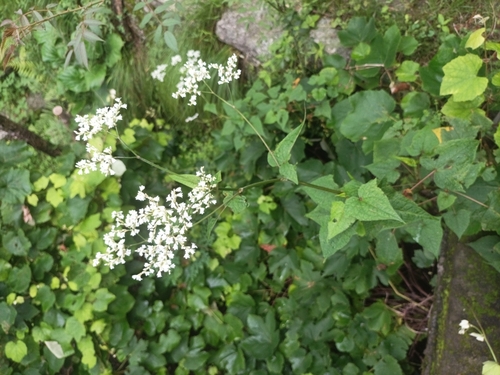
iNaturalist· cc-by-nc
(c) katharina2525, some rights reserved (CC BY-NC)
Description
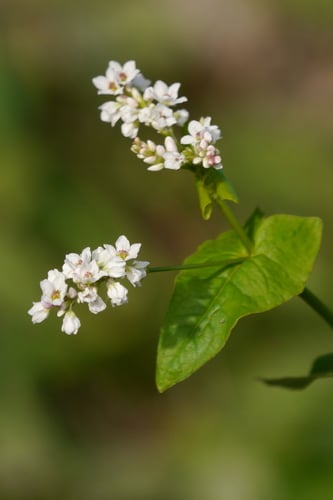
A herb. It grows each year from seed. It grows 1 m tall. The leaves are narrowly sword shaped. They are 2-8 cm long. The flowers are pink to red and in tight spikes at the top of the plant.
Edible Uses
The leaves are eaten as a vegetable.
Distribution
It is a subtropical plant.
Where It Grows
Asia, China, India, Japan, Northeastern India, SE Asia,
Notes
Not in The Plant List. It is similar to Polygonum persicaria but with longer hairs.
Also Known As
Modhusuleng
References (2)
- Barua, U., et al, 2007, Wild edible plants of Majuli island and Darrang districts of Assam. Indian Journal of Traditional Knowledge 6(1) pp 191-194 (As caespifosum)
- Ghorbani, A., et al, 2012, A comparison of the wild food plant use knowledge of ethnic minorities in Naban River Watershed Nature Reserve, Yunnan, SW China. Journal of Ethnobiology and Ethnomedicine; 8:17