Yucca treculiana
Carrière
Torrey’s yucca or Spanish dagger
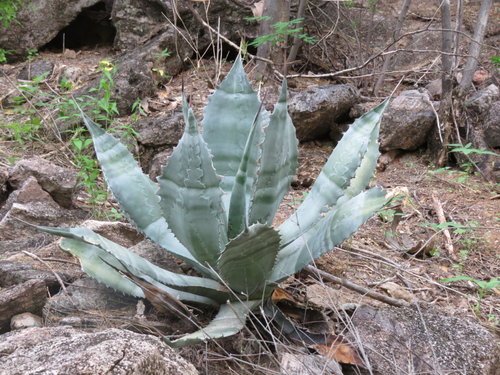
iNaturalist· cc-by-nc
(c) bybarra1, some rights reserved (CC BY-NC)
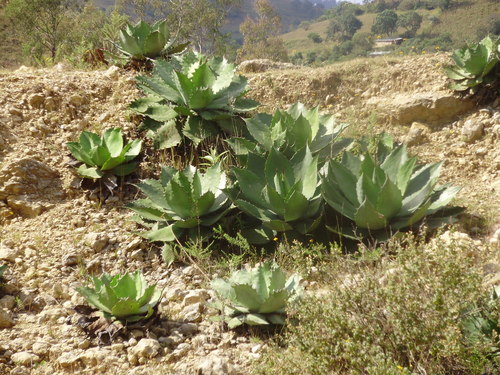
iNaturalist· cc-by-nc
(c) Patty Leslie Pasztor, some rights reserved (CC BY-NC), uploaded by Patty Leslie Pasztor
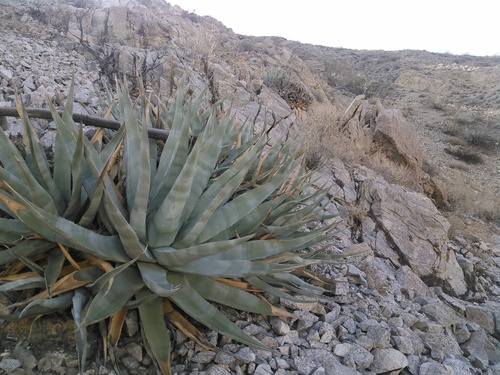
iNaturalist· cc-by-nc
(c) gbrucks, some rights reserved (CC BY-NC), uploaded by gbrucks
Description
Yucca treculiana is an evergreen Tree growing to 10 m (32ft) by 4 m (13ft) at a slow rate. See above for USDA hardiness. It is hardy to UK zone 8 and is not frost tender. The flowers are pollinated by Yucca moths (Tegeticula spp, ). Suitable for: light (sandy), medium (loamy) and heavy (clay) soils, prefers well-drained soil and can grow in nutritionally poor soil. Suitable pH: mildly acid, neutral and basic (mildly alkaline) soils. It cannot grow in the shade. It prefers dry or moist soil and can tolerate drought.
Edible Uses
Yucca treculiana (Spanish dagger, don Quixote’s lance) is an edible desert plant native to Texas, New Mexico, and northeastern Mexico, growing well in USDA Hardiness Zones 7–11. The young flower stalks and unopened buds can be boiled or roasted, while the flowers themselves may be eaten raw or cooked, though they are mildly bitter unless prepared properly. The large fleshy fruits were a traditional food for Native American peoples, usually roasted or baked, and the roasted seeds can be ground into meal or flour. The roots, however, contain saponins and are not edible, having been used historically for making soap rather than food.
Known Hazards
As with other yuccas, only certain parts (flowers, stalks, fruits, seeds) are safe and palatable when cooked; the roots should not be eaten.
Distribution
The native range of this species is S. Central U.S.A. to NE. Mexico.
Where It Grows
Native to: Mexico Northeast, New Mexico, Texas.
Cultivation
Water Preferences: Mesic Dry Mesic, Dry. Sun, light shade, well-drained soil, drought-tolerant. Upper elevation limit: 1,684 metres. Lower elevation limit: 297 metres. This species is threatened in parts of its range by oil and gas exploration, wind energy infrastructure development, solar farms, groundwater pumping for agriculture, and droughts. Range & Hardiness: Native to Texas, New Mexico, and northeastern Mexico. USDA Hardiness Zones 7–11. Weed potential: Low. It’s a slow-growing desert species, not considered invasive.
Propagation
Seed
Other Uses
Beyond its edible flowers, fruits, and flower stalks, Yucca treculiana has several other traditional uses. The long, fibrous leaves were used by Indigenous peoples for making cordage, baskets, mats, sandals, and ropes. The roots, rich in saponins, were pounded and mixed with water to produce a natural soap or shampoo, giving rise to the common name “soapweed.” Today, it is also valued as an ornamental plant in xeriscaping for its striking spiky leaves and towering flower stalks, while its flowers provide nectar for yucca moths (its pollinators) and other wildlife.
Synonyms
Also Known As
Spanish dagger, Spanish bayonet and Don Quixote's lance.