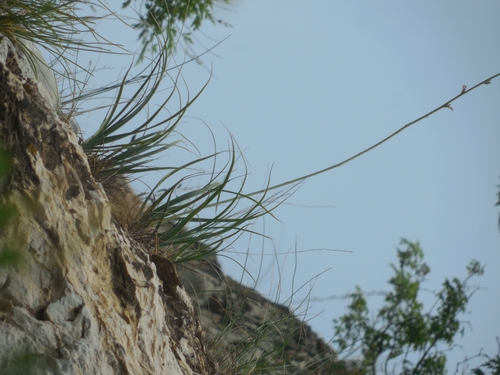
Yucca valida
Brandegee
Strong yucca
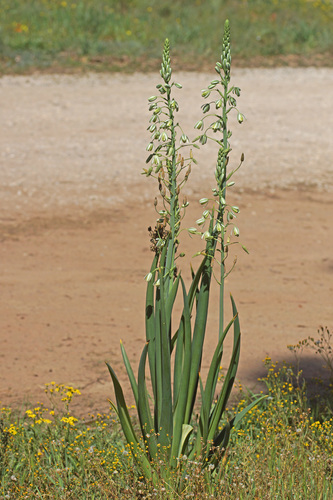
iNaturalist· cc-by-nc
(c) Mark Fishbein, some rights reserved (CC BY-NC), uploaded by Mark Fishbein
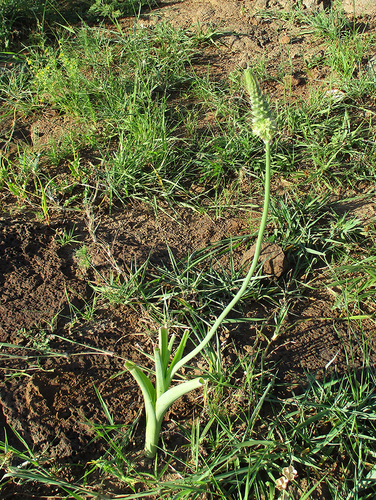
iNaturalist· cc-by-nc
(c) Mark Fishbein, some rights reserved (CC BY-NC), uploaded by Mark Fishbein
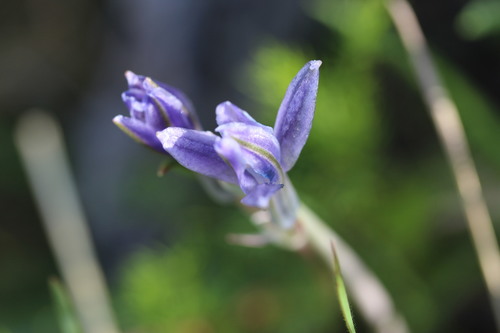
iNaturalist· cc-by-nc-sa
(c) 2015 Barry Rice, some rights reserved (CC BY-NC-SA)
Summary
Source: WikipediaYucca valida is a plant species in the family Asparagaceae, native to the Mexican states of Baja California, Baja California Sur, Sonora, and Sinaloa. The common name is datilillo. Yucca valida is a large, branched species up to 7 m (23 feet) tall. Leaves are rigid and lance-like, up to 35 cm (14 inches) long. Dead leaves hang onto the plant below the living leaves, forming a skirt around the trunk. Flowers are white, forming juicy, edible black fruits up to 4.5 cm (1.8 inches) long.
Description
A tree-like plant from the Asparagaceae family (also placed in Agavaceae) native to the Sonoran desert, growing up to 7 m tall in subtropical conditions.
Edible Uses
The flower buds are eaten. The flowers are cooked, ground, and made into candy.
Traditional Uses
The flower buds are eaten. The flowers are cooked and ground and made into candy.
This uses section is brief — help expand it
Medicinal Uses
None mentioned in provided data.
Known Hazards
None mentioned in provided data.
Distribution
It is a subtropical plant. It grows in the Sonoran desert.
Where It Grows
Mexico, North America, USA,
Notes
Also put in the family Agavaceae.
Synonyms
Also Known As
Datilillo
References (3)
- Grandtner, M. M., 2008, World Dictionary of Trees. Wood and Forest Science Department. Laval University, Quebec, Qc Canada. (Internet database http://www.wdt.qc.ca)
- Kermath, B. M., et al, 2014, Food Plants in the Americas: A survey of the domesticated, cultivated and wild plants used for Human food in North, Central and South America and the Caribbean. On line draft. p 936
- Pio-Leon, J. F., et al, 2017, Prioritizing Wild Edible Plants of potential new crops based on Deciduous Forest traditional knowledge by a Rancher community. Botanical Sciences 95(1): 47-59