Boehmeria penduliflora
Wedd. ex Long
iNaturalist· cc-by-nc
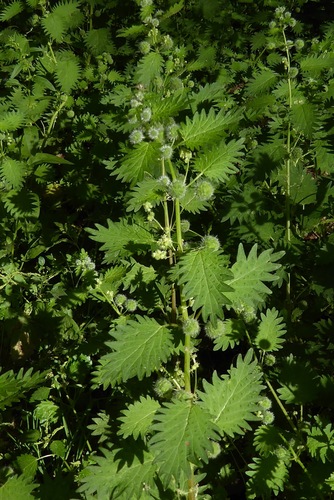
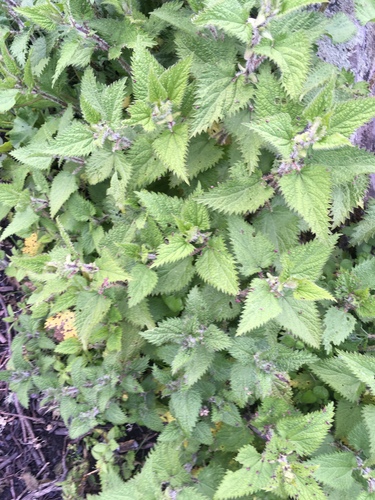
(c) José Ignacio Márquez Corro, some rights reserved (CC BY-NC), uploaded by José Ignacio Márquez Corro
iNaturalist· cc-by-nc
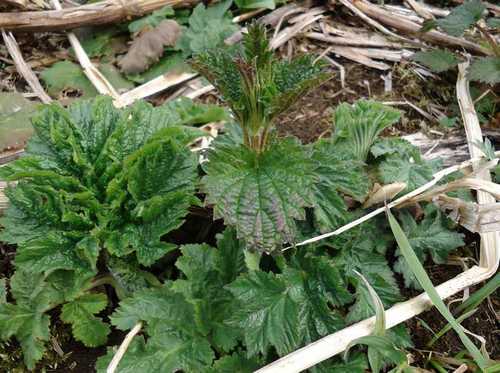
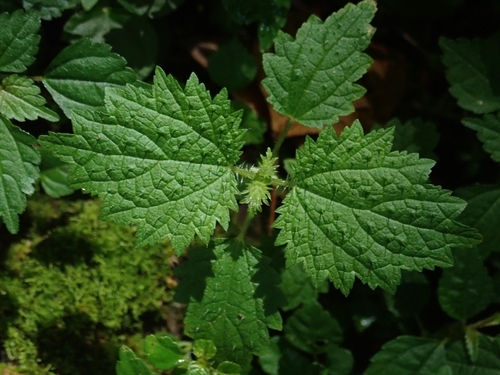
(c) Pierre-Louis Stenger, some rights reserved (CC BY-NC), uploaded by Pierre-Louis Stenger
Description
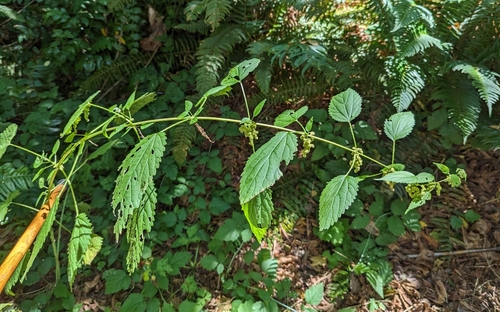
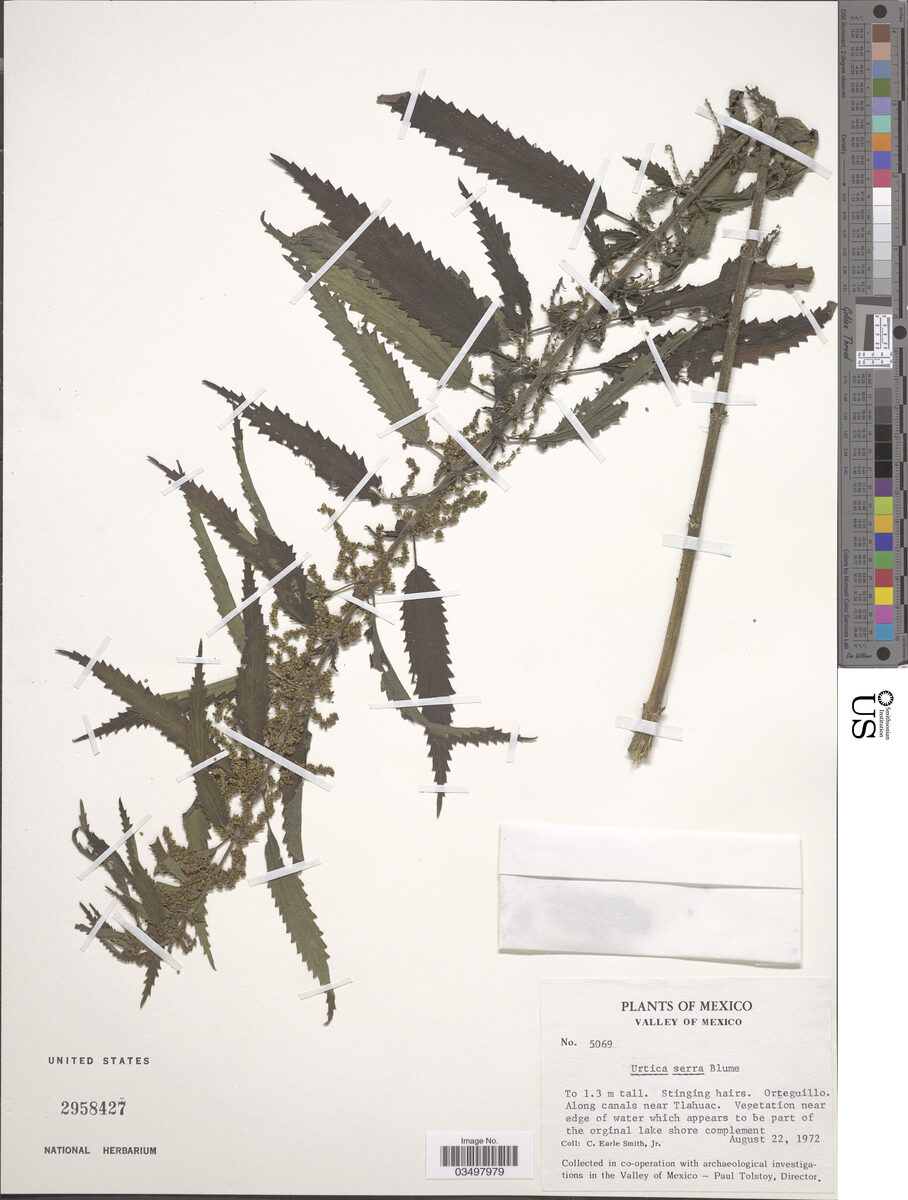
A shrub. It can have trailing branches. It can grow to 4.5 m tall. The branches are four angled with 4 grooves. The leaves are opposite and slightly unequal in size. They are narrow or sword shaped. They are 5-19 cm long by 2-6 cm wide.
Edible Uses
The young stems and leaves are boiled and eaten or cooked in stir-fry dishes.
Traditional Uses
The young stems and leaves are boiled and eaten or cooked in stir fry dishes.
This uses section is brief — help expand it
Distribution
A tropical plant. In China it grows near the edges of forests and along streams between 500-2,000 m above sea level. It grows in Sichuan and Yunnan in China.
Where It Grows
Asia, Bhutan, China, Himalayas, India, Indochina, Laos, Myanmar, Nepal, Northeastern India, SE Asia, Sikkim, Thailand, Tibet, Vietnam,
Production
In Yunnan the leaves are harvested in June and July.
Other Information
They are only occasionally used.
Also Known As
Nyot-kyang, Seija, Ya me song
References (4)
- Cheng, Z., et al, 2022, Ethnobotanical study on wild edible plants used by Dulong people in northwestern Yunnan, China. Journal of Ethnobiology and Ethnomedicine (2022) 18:3
- Flora of China @ efloras.org Volume 5
- Ju, Y., et al, 2013, Eating from the wild: diversity of wild edible plants used by Tibetans in Shangri-la region, Yunnan, China, Journal of Ethnobiology and Ethno medicine 9:28
- Taram, M., et al, 2018, Wild Food Plant Resources of Komkar Adi Tribe of Upper Siang District in Arunachal Pradesh, India. Bulletin of Arunachal Forest Research, Vol. 33(2), 27-35