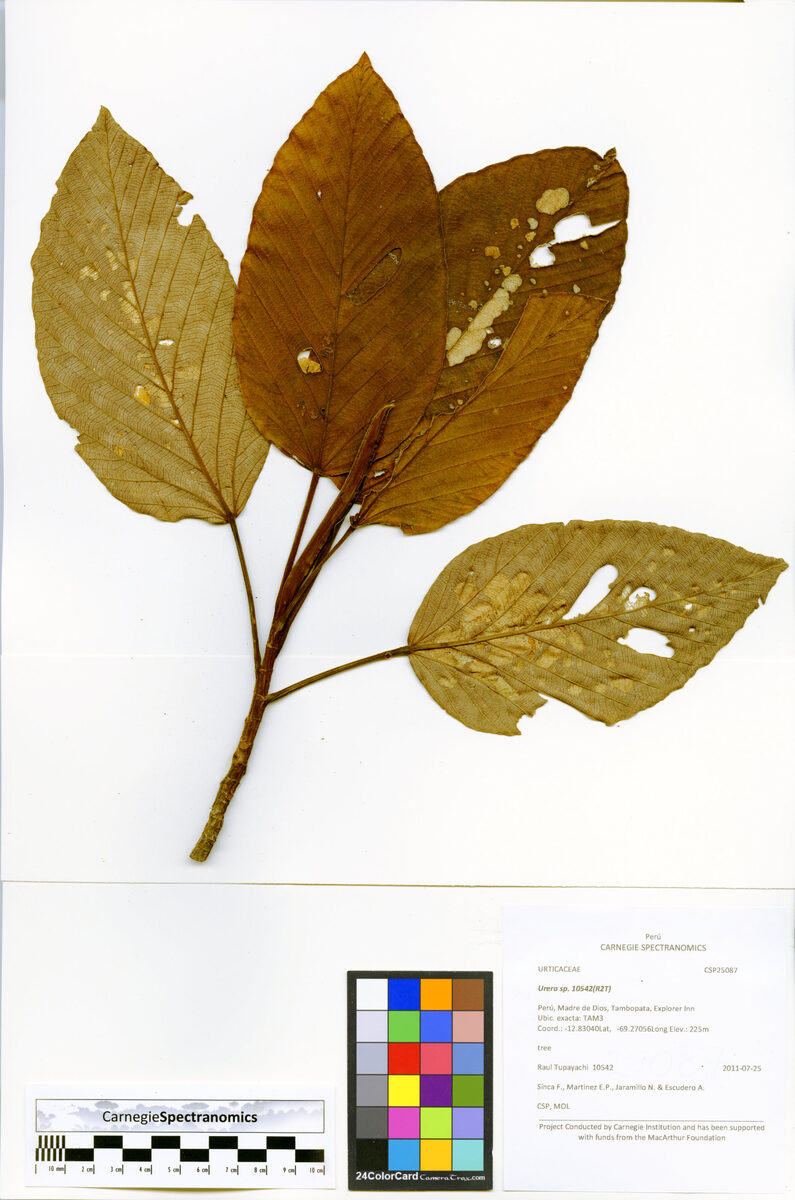
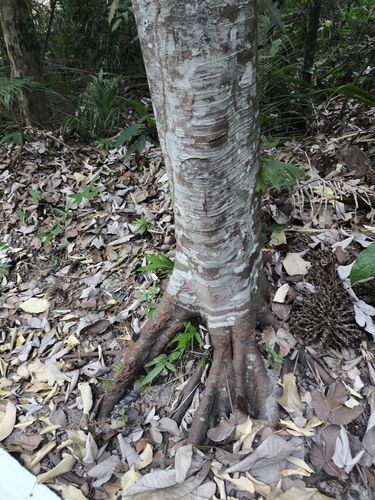
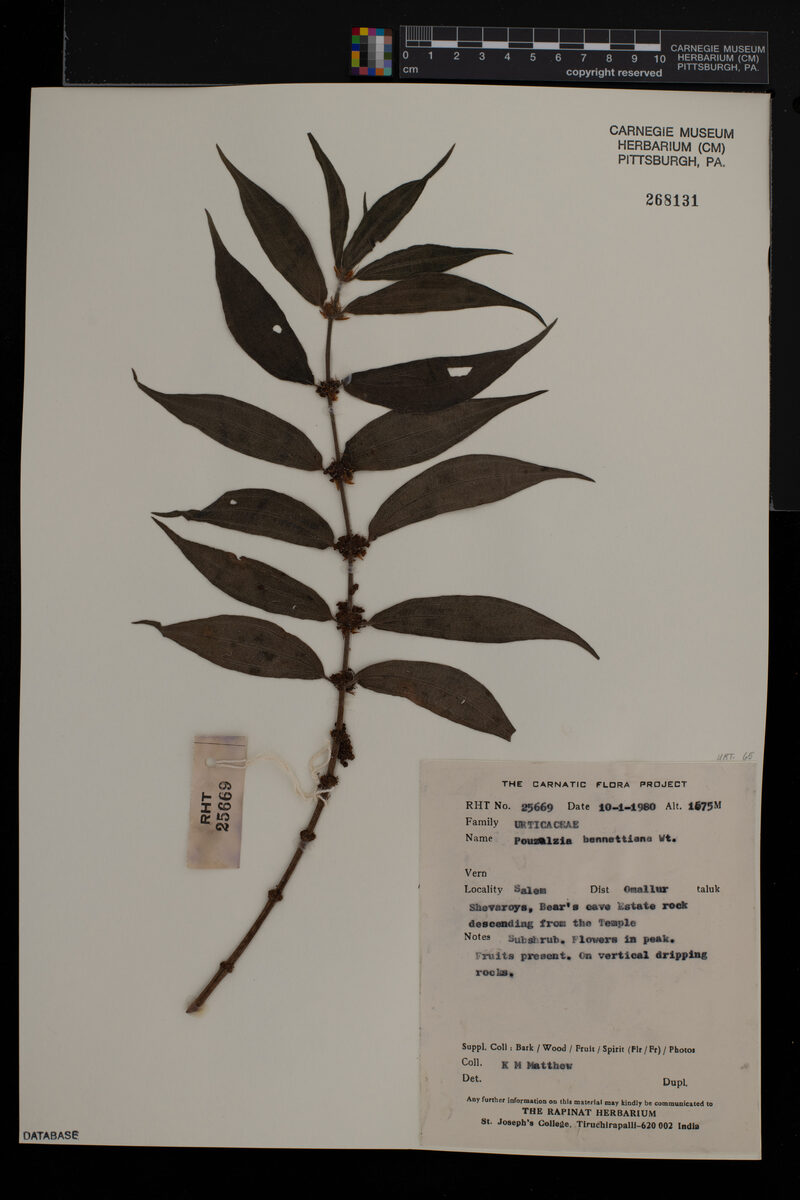
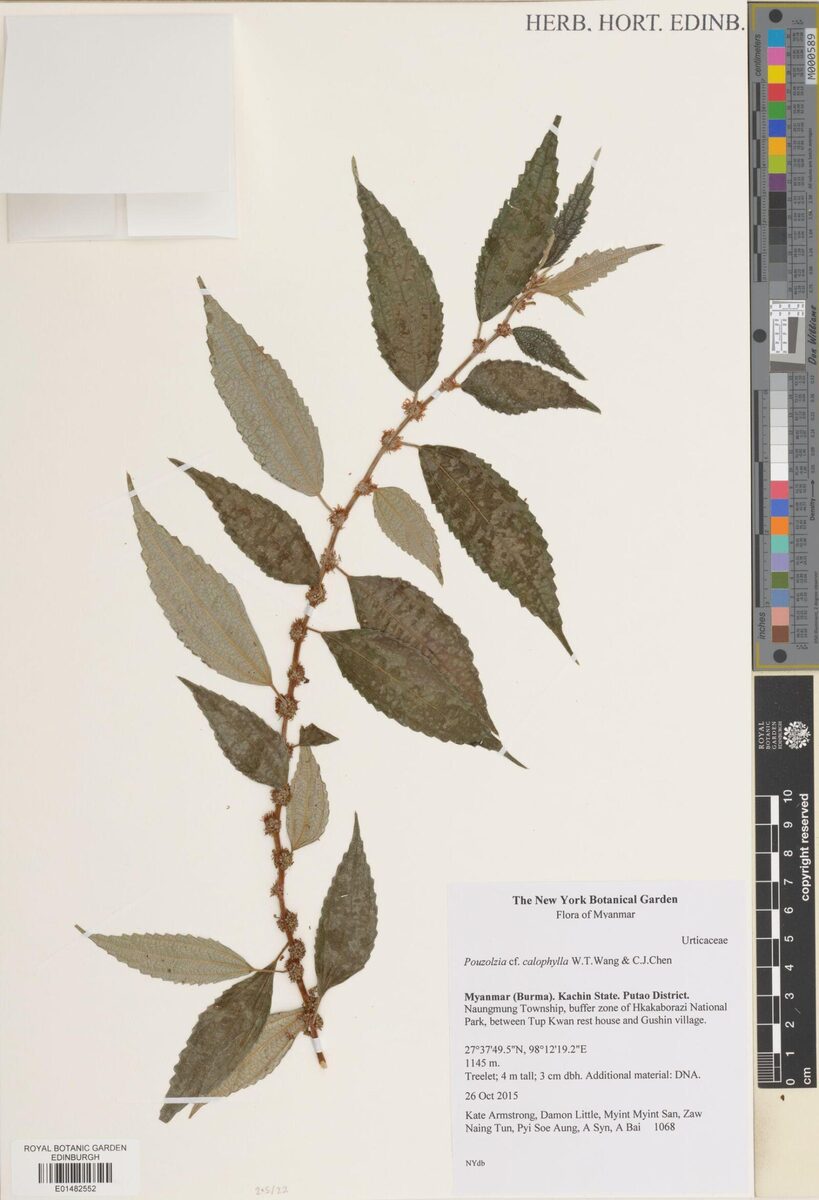
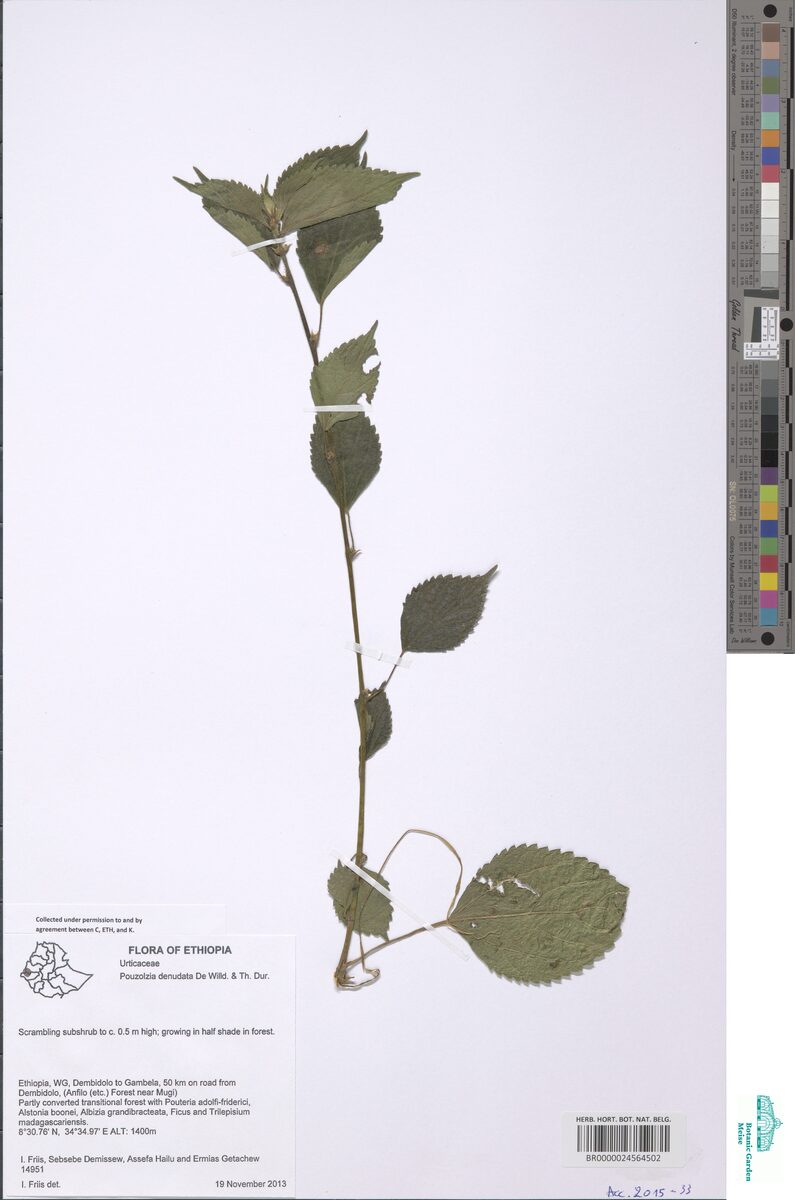
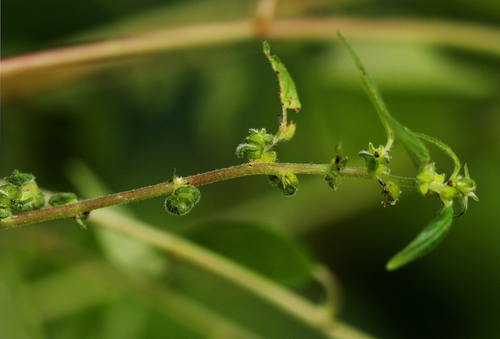
Urtica serra
Blume
gbif· cc0
Conveyor Belt
gbif· cc-by-nc
FSC - Fresno State Herbarium (FSC-)
gbif· cc0
Conveyor Belt
Summary
Source: WikipediaA perennial nettle reaching 1.5 m, frost-hardy and vigorous. Dioecious with June to August flowering, requiring both male and female plants for seed set via wind pollination; not self-fertile. Adapts to light sandy, medium loamy, and heavy clay soils with mildly acidic to basic pH. Tolerates semi-shade or full sun and prefers moist growing conditions.
Description
A perennial nettle reaching 1.5 m, frost-hardy and vigorous. Dioecious with June to August flowering, requiring both male and female plants for seed set via wind pollination; not self-fertile. Adapts to light sandy, medium loamy, and heavy clay soils with mildly acidic to basic pH. Tolerates semi-shade or full sun and prefers moist growing conditions.
Edible Uses
Young leaves are cooked and eaten — a highly nutritious food, rich in vitamins and minerals, that makes an excellent spinach substitute and can be added to soups and stews. Only young leaves should be harvested, and stout gloves are essential to avoid stings. Although fresh leaves carry stinging hairs, thorough drying or cooking destroys them completely. The young shoots are used to brew nettle beer.
Medicinal Uses
Fresh leaves rubbed or beaten onto the skin are used to treat rheumatism — a practice known as urtification. The intense irritation caused is thought to act as a counter-irritant, drawing blood to the area to help remove the toxins responsible for rheumatism. The formic acid delivered by the stings is also believed to have a directly beneficial effect on affected joints.
Known Hazards
As every other species of Urtica, it has stinging hairs that irritate the skin. This is prevented by cooking it and using the young leaves instead, because older leaves develop cystoliths which act as an irritant to the kidneys.
Distribution
It is a temperate plant.
Where It Grows
North America, USA,
Cultivation
We have very little information on this species and do not know if it will be hardy in Britain, though judging by its native range it should succeed outdoors in most parts of the country. Some doubt must be cast over the validity of this taxon, it is mentioned in the Flora of North America as having been misapplied to U. dioica holosericea. The following notes are based on the general needs of the genus. Prefers a nitrogen-rich soil. The best fibre is produced when plants are grown on deep fertile soils. Dioecious. Male and female plants must be grown if seed is required.
Propagation
Sow seed in spring in a cold frame, barely covering it. Prick seedlings into individual pots once large enough to handle, then plant out in summer. Division can be carried out at almost any time in the growing season — it is very easy, and divisions can go straight into their permanent positions.
Other Uses
The stems yield a strong flax-like fibre used for string, cloth, and good-quality paper. It is harvested as the plant begins to die back in early autumn and retted before the fibres are extracted. The leftover plant matter provides a useful source of biomass and has been used in the manufacture of sugar, starch, protein, and ethyl alcohol. Oil from the seeds serves as an illuminant. The plant is an essential ingredient in 'QR' herbal compost activator — a dried, powdered herbal blend that accelerates bacterial activity in compost heaps. The leaves are a valuable compost addition and can be soaked in water for 7–21 days to produce a nutritious liquid plant feed that also functions as an insect repellent and foliar feed. The growing plant raises the essential oil content of nearby plants, increasing their resistance to insect pests. Freshly cut stems repel flies and have been placed in food cupboards for this purpose. The plant's juice, or a decoction made by boiling it in a strong salt solution, curdles milk and works as a rennet substitute; the same juice rubbed into leaky wooden tubs coagulates and makes them watertight. A hair wash from an infusion of the leaves is used as a tonic and antidandruff treatment. A permanent green dye is obtained from a decoction of the leaves and stems; a yellow dye comes from the root boiled with alum.
References (1)
- Plants for a Future database, The Field, Penpol, Lostwithiel, Cornwall, PL22 0NG, UK. http://www.scs.leeds.ac.uk/pfaf/