Urtica simensis
Hochst. ex Steud.
Samma
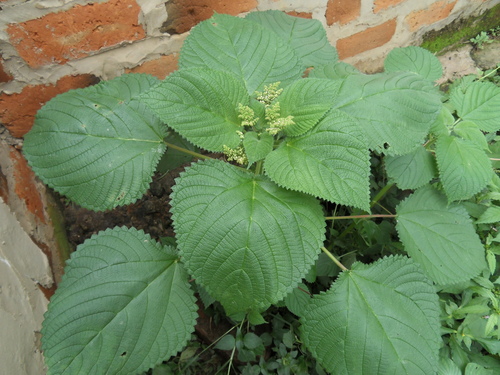
iNaturalist· cc-by-nc
(c) M. A. Naturalist, some rights reserved (CC BY-NC), uploaded by M. A. Naturalist
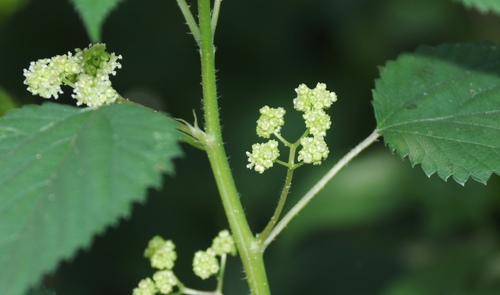
iNaturalist· cc-by-nc
(c) avocat, some rights reserved (CC BY-NC)
Description
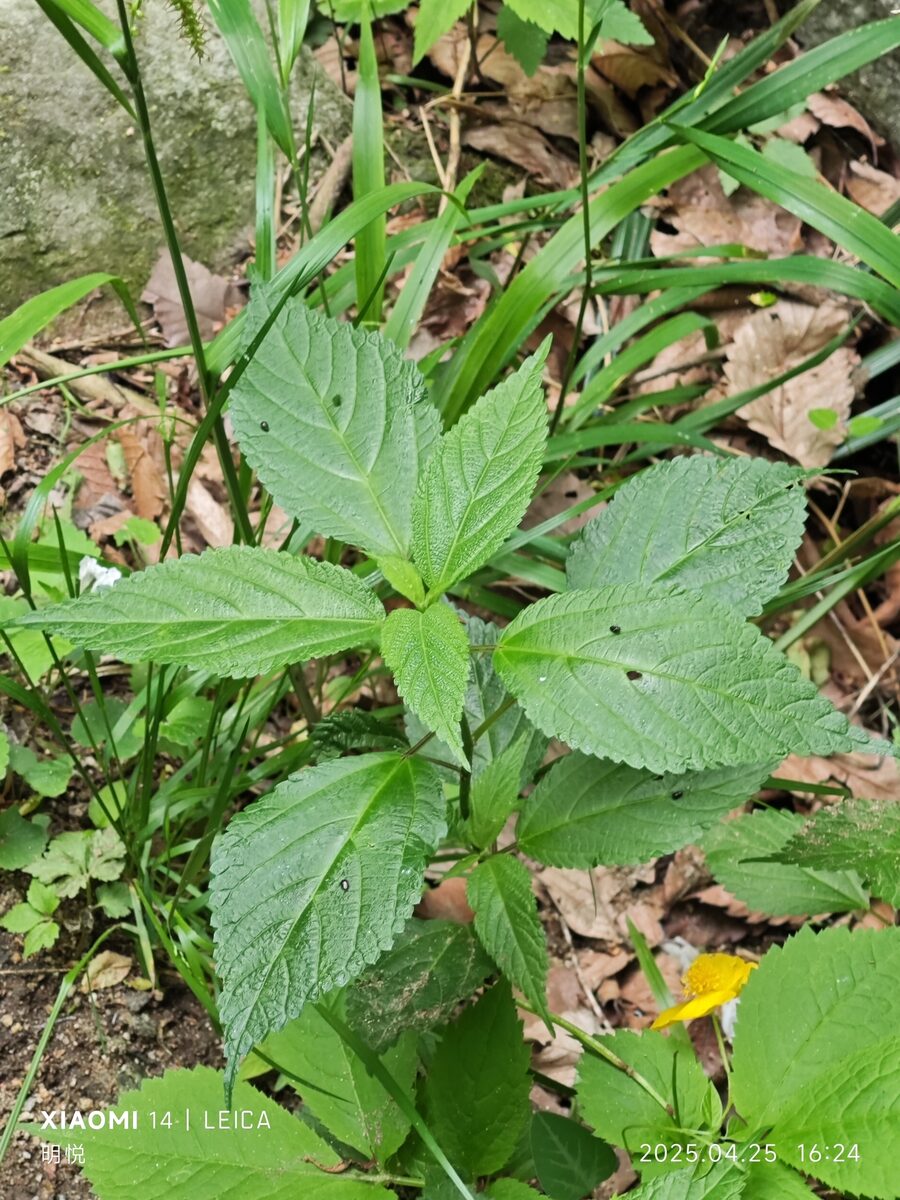
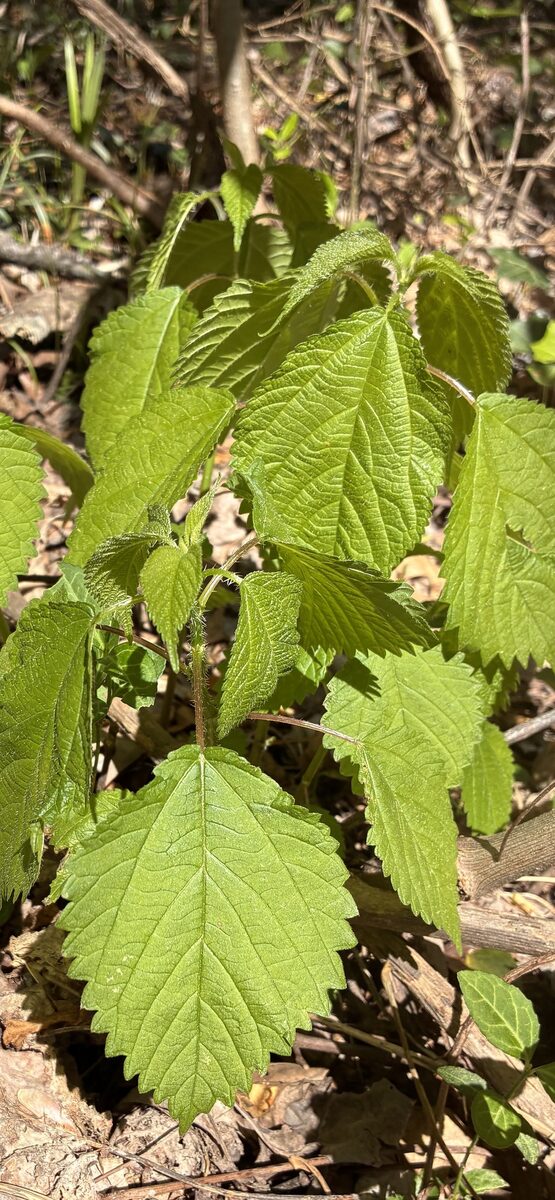
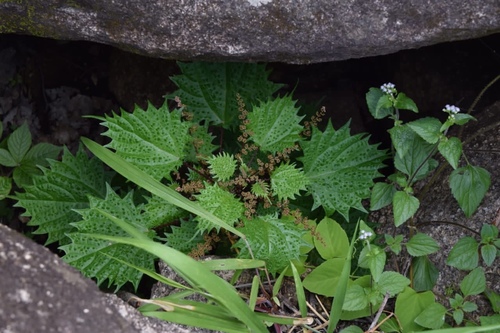
A nettle plant. It is an erect herb and does not branch. It grows 1 m tall. It has a creeping underground stem or rhizome. The leaves are oval and have coarse teeth. They are 5-12 cm long by 3-8 cm wide. It has stinging hairs. Plants are separately male and female.
Edible Uses
The leaves are rubbed between cloth and boiled, then typically crushed and salted before eating alone or with other foods. It is a famine food with good nutritional value and commonly eaten in Ethiopia.
Traditional Uses
The leaves are often rubbed between cloth then boiled and eaten. They are usually crushed and salted. They can be eaten alone or with other foods.
This uses section is brief — help expand it
Medicinal Uses
Used in traditional medicine.
Known Hazards
The whole plant is covered in hairs that can give a painful sting upon contact with the skin.
Distribution
It is a tropical plant. In Ethiopia it grows between 2,500-3,500 m altitude.
Where It Grows
Africa, East Africa, Ethiopia,
Cultivation
The plant can be grown by seeds or runners.
Propagation
Seed - Division.
Production
The leaves need to be harvested without getting stung by the stinging hairs.
Other Information
It is a famine food. It has good food value and is commonly eaten in Ethiopia. Plants are sold in local markets.
Notes
It is also used in medicine.
Also Known As
Gurgubee, Laaleessa, Laalesa, Sama
References (12)
- Alemneh, D., 2020, Ethnobotany of wild edible plants in Yilmana Densa and Quarit Districts of West Gojjam Zone, Amhara Region, Ethiopia. Ethnobotany Research & Applications. 20:47
- Asfaw, Z., Conservation and use of traditional vegetables in Ethiopia. FAO
- Asfaw, Z. and Tadesse, M., 2001, Prospects for Sustainable Use and Development of Wild Food Plants in Ethiopia. Economic Botany, Vol. 55, No. 1, pp. 47-62
- Bosch, C.H., 2004. Urtica simensis Hochst. ex A.Rich. [Internet] Record from Protabase. Grubben, G.J.H. & Denton, O.A. (Editors). PROTA (Plant Resources of Tropical Africa), Wageningen, Netherlands. < http://database.prota.org/search.htm>. Accessed 23 October 2009
- Demise, S. & Asfaw, Z., 2020, Ethno Botanical Study of Wild Edible Plants in Adola District, Southern, Ethiopia. International Journal of Research and Analytical Reviews (IJRAR) 7(2).
Show all 12 references Hide references
- Duguma, H. T., 2020, Wild Edible Plant Nutritional Contribution and Consumer Perception in Ethiopia. Hindawi International Journal of Food Science Volume 2020, Article ID 2958623, 16 pages
- Ethiopia: Famine Food Field Guide. http://www.africa.upenn.edu/faminefood/category1.htm
- Grubben, G. J. H. and Denton, O. A. (eds), 2004, Plant Resources of Tropical Africa 2. Vegetables. PROTA, Wageningen, Netherlands. p 540
- Lulekal, E., et al, 2011, Wild edible plants in Ethiopia: a review on their potential to combat food insecurity. Afrika Focus - Vol. 24, No 2. pp 71-121
- Regassa, T., et al, 2014, Ethnobotany of Wild and Semi-Wild Edible Plants of Chelia District, West-Central Ethiopia. Science, Technology and Arts Research Journal. 3(4): 122-134
- Seifu, T. et al, 2017, Polyphenolic content and Antioxidant Activity of leaves of Urtica simensis grown in Ethiopia. Latin American Applied Research. 47:35-40
- Sina, B. & Degu, H. D., 2015, Knowledge and use of Wild Edible Plants in the Hula District of the Sidama Zone. International Journal of Bio-resource and Stress Management 6(3):352-365