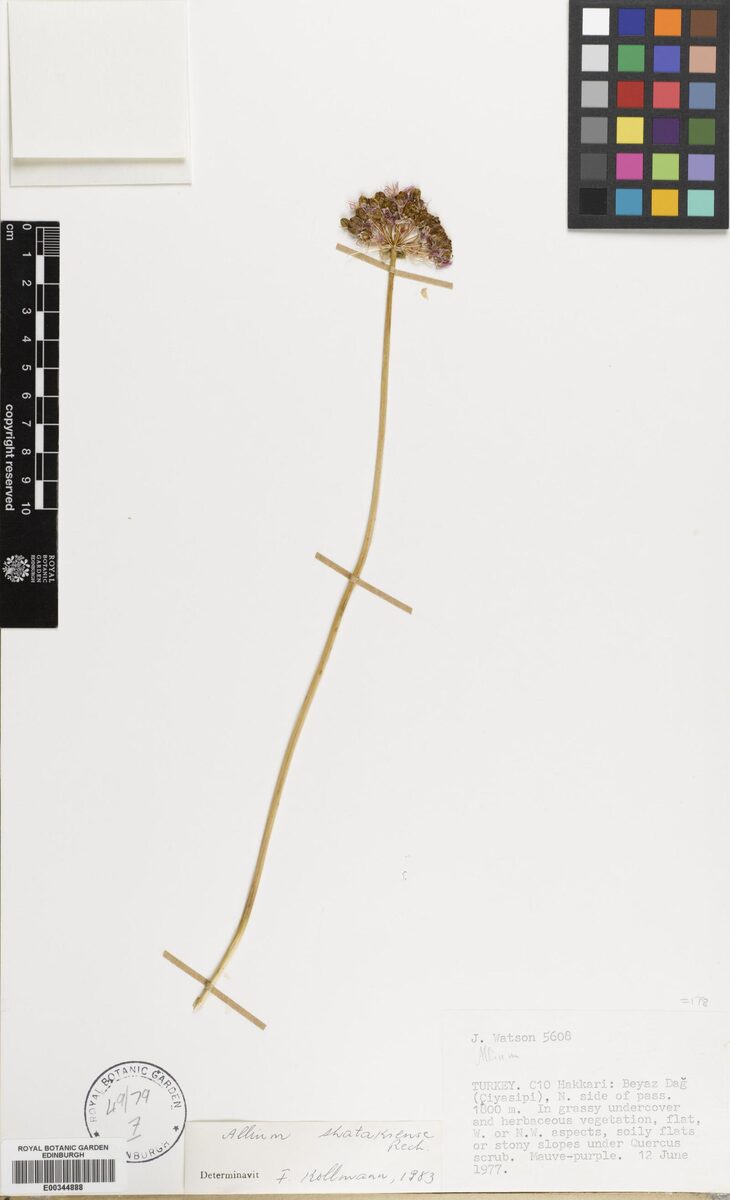
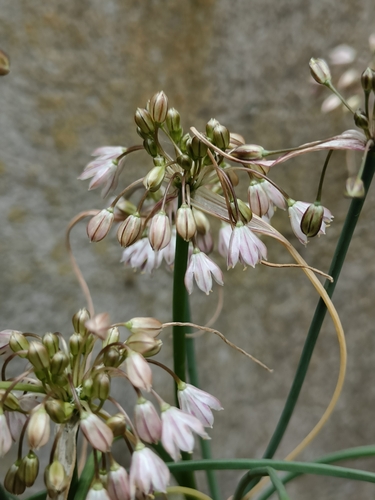
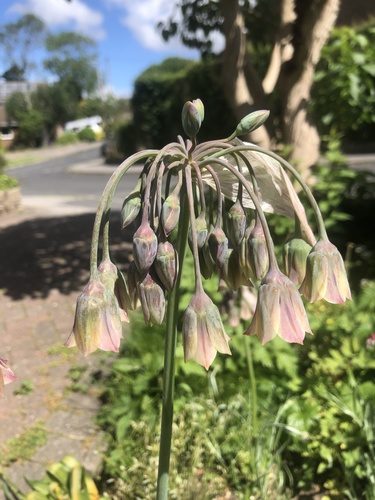
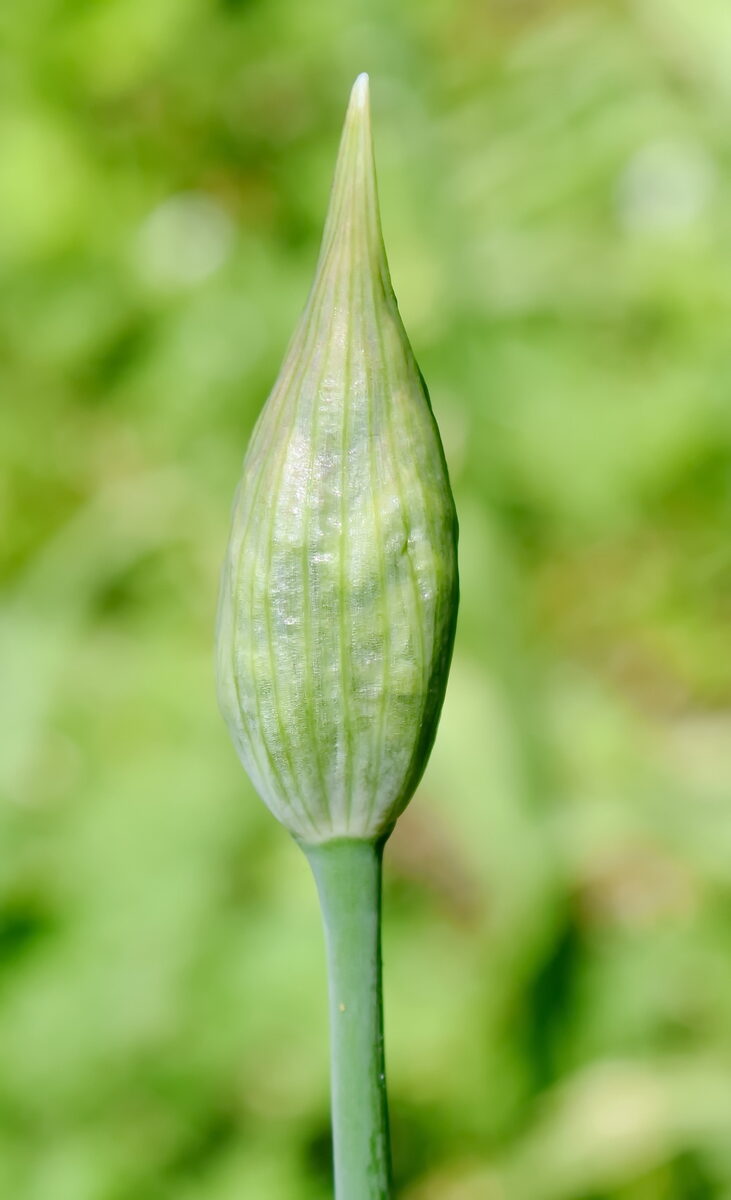
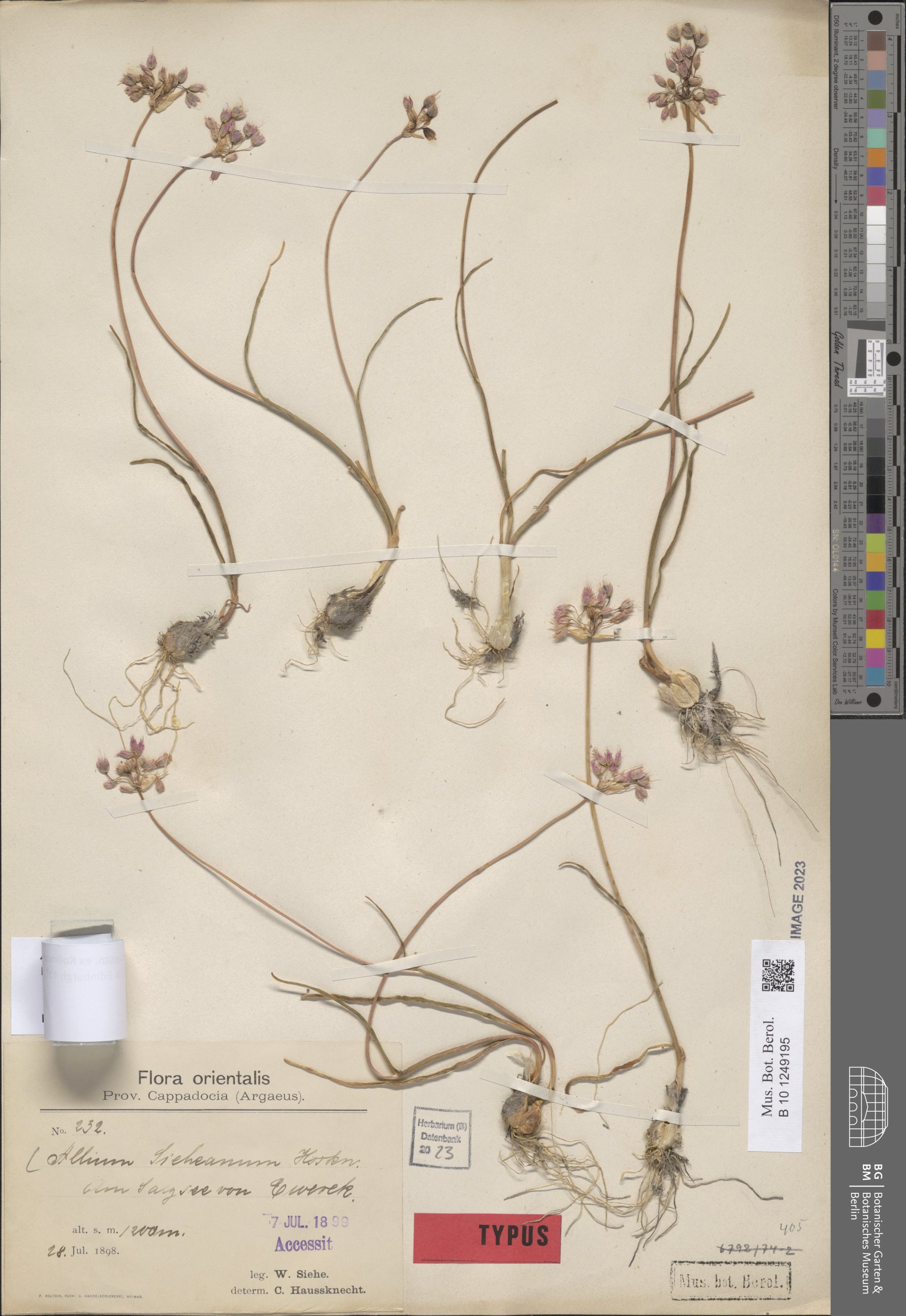
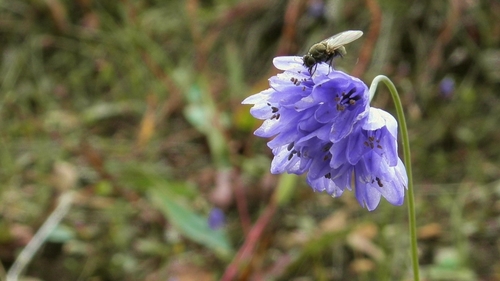
Allium trifurcatum
(F. T. Wang & T Tang) J. M. Xu
gbif· cc0
President and Fellows of Harvard College
Summary
Source: WikipediaAllium trifurcatum is a plant species native to the Sichuan and Yunnan regions in southern China. It grows at elevations of 3000–4000 m. The Tibetan people of Shangri-La and nearby areas eat its scapes. Allium trifurcatum has thick roots and clusters of bulbs. Scape is up to 20 cm tall, round in cross-section. Leaves are flat, up to 10 mm across, shorter than the scape. Umbels have only a few white flowers.
Description
An onion herb. There is a cluster of bulbs. They are cylinder shaped and attached to the horizontal rhizome. The leaves are broadly linear. They are 4-10 mm wide. The flower stalk is 20-30 cm long It has 2 narrow wings.
Edible Uses
The leaves are cooked and eaten in stir fry dishes and added to soups.
Traditional Uses
The leaves are cooked and eaten in stir fry dishes and added to soups.
This uses section is brief — help expand it
Distribution
It is a temperate plant. It grows in forests, damp slopes and stream banks between 3,000-4,000 m above sea level. It grows in Sichaun and Yunnan in China.
Where It Grows
Asia, China, Himalayas, Tibet,
Notes
They have also been put in the family Alliaceae.
Synonyms
Also Known As
Rijiucai
References (1)
- Ju, Y., et al, 2013, Eating from the wild: diversity of wild edible plants used by Tibetans in Shangri-la region, Yunnan, China, Journal of Ethnobiology and Ethno medicine 9:28