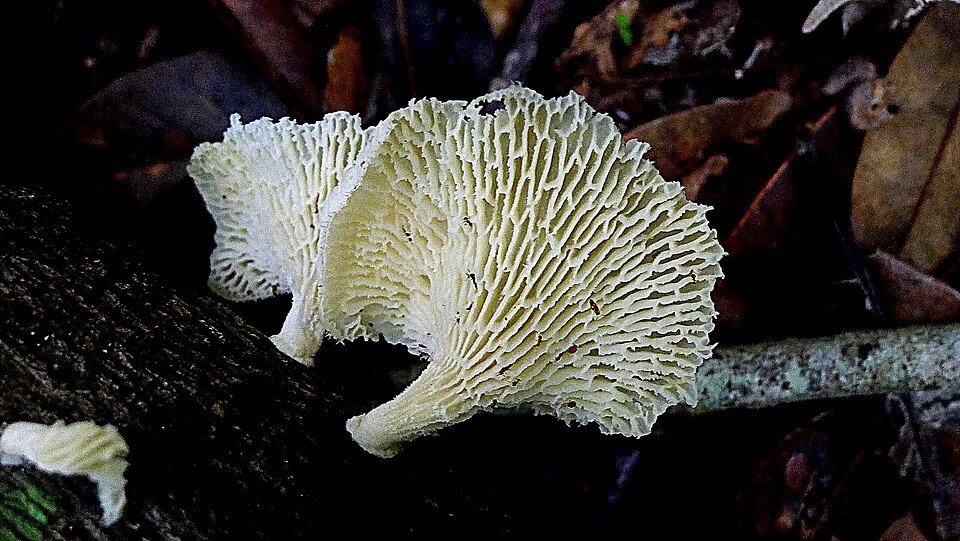
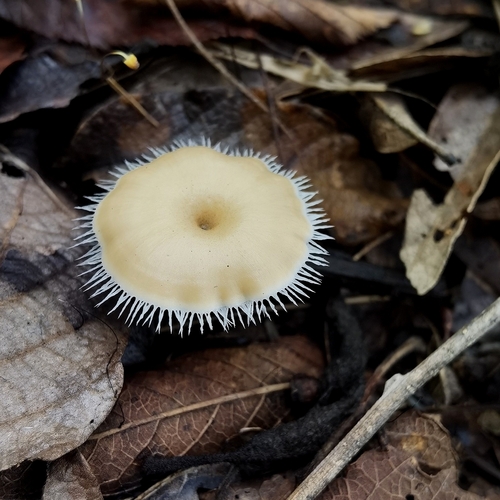
Microporus affinis
(Blume & T. Nees) Kuntze
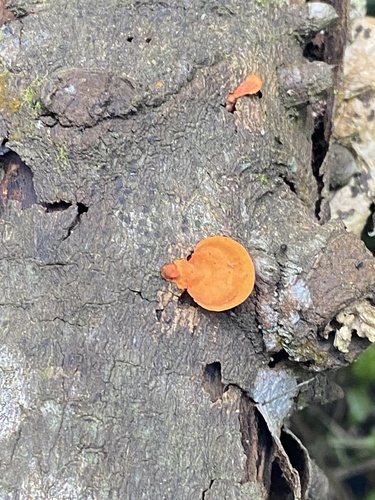
iNaturalist· cc-by-nc-sa
(c) Paul George, some rights reserved (CC BY-NC-SA), uploaded by Paul George
iNaturalist· cc-by-nc
(c) Julie Ward, some rights reserved (CC BY-NC)
iNaturalist· cc-by-nc
(c) Cheongweei Gan, some rights reserved (CC BY-NC)
Summary
Source: WikipediaMicroporus affinis is a fungus species in the family Polyporaceae. It was first described in 1826 as a species of Polyporus by German botanists Carl Ludwig Blume and Theodor Nees. Otto Kuntze transferred it to Microporus in 1898. It is a widespread polypore that is common in tropical and subtropical regions of both the Northern and Southern Hemispheres.
Description
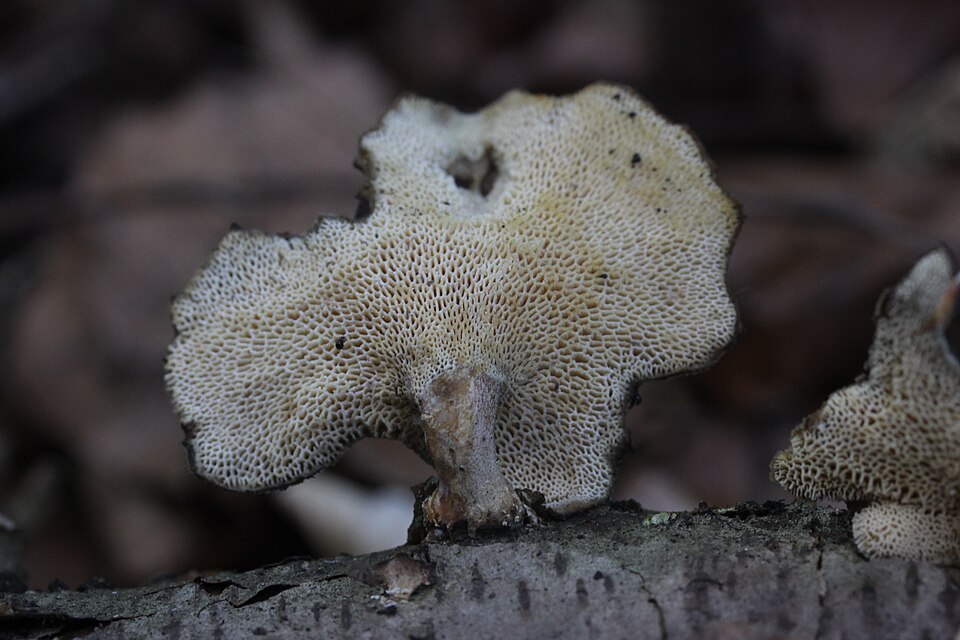
A fan-shaped bracket fungus in the Polyporaceae family with a velvety ridged cap, found growing on fallen branches in tropical rainforests.
This description is brief — help expand it
Edible Uses
The mushroom is edible.
Distribution
It is a tropical plant. It grows on fallen branches in the rainforest.
Where It Grows
Asia, Australia, Malaysia, Papua New Guinea, PNG, SE Asia,
Also Known As
Mondsem, Mondshoba
References (2)
- Boa, E. R., 2004, Wild edible fungi and their importance to people. FAO Non Wood Forest Products Booklet 17
- Sillitoe, P. 1995, An Ethnobotanical Account of the Plant Resources of the Wola Region, Southern Highlands Province, Papua New Guinea. J. Ethnobiol. 15(2): 201-235