Laccocephalum mylittae
(Cook & Massee) Nunez & Ryvarden
Native bread, Blackfellow’s Bread
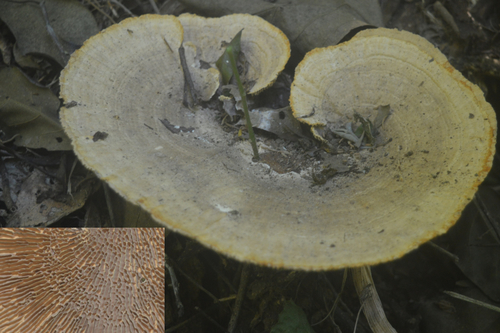
iNaturalist· cc-by-nc
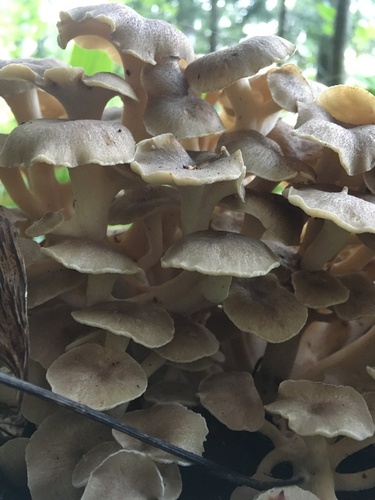
(c) sicilelleth, some rights reserved (CC BY-NC), uploaded by sicilelleth
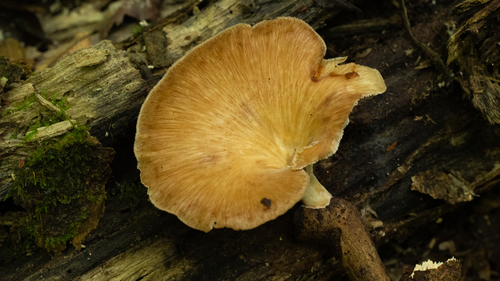
iNaturalist· cc-by-nc
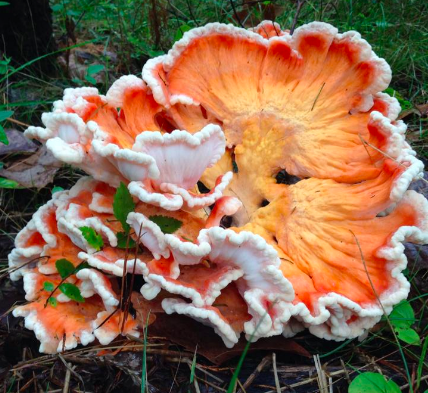
(c) johneichler, some rights reserved (CC BY-NC), uploaded by johneichler
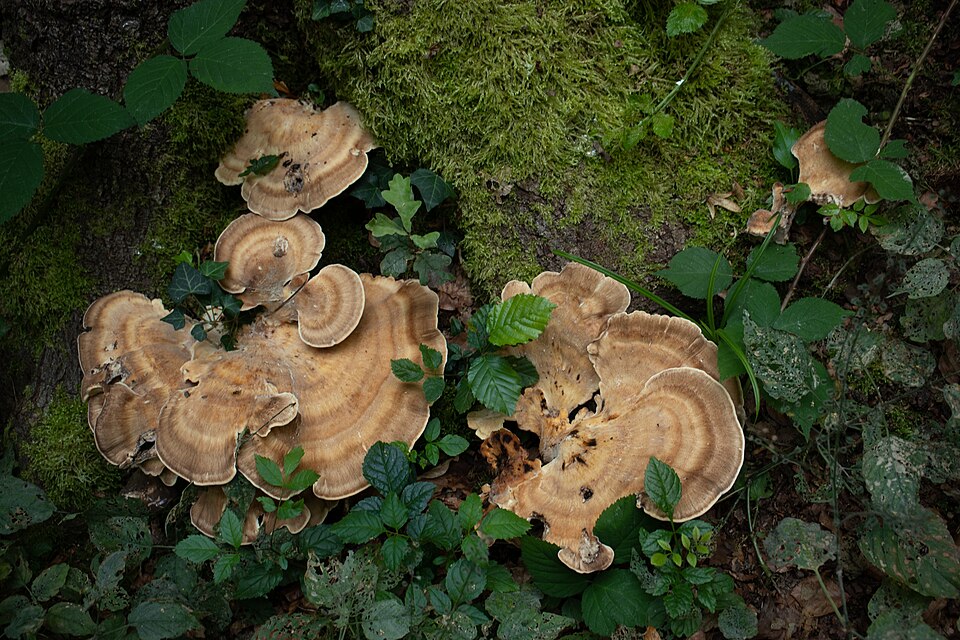
wikimedia· cc-by-sa
Walter Siegmund (talk) (via Wikimedia Commons)
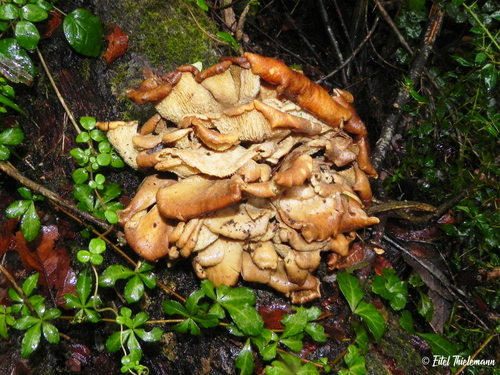
gbif· cc-by
Eileen Laidlaw
gbif· cc-by
Eileen Laidlaw
gbif· cc-by
Eileen Laidlaw
Description
A large underground fungus. These can be 20 kg in weight. These are brown on the outside and and are firm and yellow inside. They can be 12 cm across. The flesh inside lets light through. It can produce a toadstool above the ground.
Edible Uses
The large underground sclerotium (tuber-like fruit body) is eaten and was traditionally consumed by Aboriginal people, particularly the Nyungar people, as a delicacy.
Traditional Uses
The sclerotia is eaten.
This uses section is brief — help expand it
Medicinal Uses
The sclerotia was a popular food item with Aboriginal people.
Distribution
It is a temperate plant. It occurs in Eucalypt forest.
Where It Grows
Asia, Australia*, China, Tasmania*,
Synonyms
References (11)
- Boa, E. R., 2004, Wild edible fungi and their importance to people. FAO Non Wood Forest Products Booklet 17
- Bonney, N., 2012, Edible Wild Native Plants for Southern Australia. p 88
- Bougher, N.L. & Syme, K., 1998, Fungi of Southern Australia. UWA Press p 328 (As Polyporus mylittae)
- Clarke, P. A., 2013, The Aboriginal Ethnobotany of the Adelaide Region, South Australia. Transactions of the Royal Society of South Australia. (2013), 137(1): 97-126
- Cribb, A.B. & J.W., 1976, Wild Food in Australia, Fontana. p 204 (As Polyporus mylittae)
Show all 11 references Hide references
- Fuhrer, B., 2005, A field guide to Australian Fungi. Bloomings Books. p 250
- Gott, B & Conran, J., 1991, Victorian Koorie Plants. PO Box 666 Hamilton, Victoria 3300, Australia. p 24 (As Polyporus mylittae)
- Hall, I. R., et al, 2003, Edible and Poisonous Mushrooms of the World. Timber Press. p 258
- Irving, 1957, (As Mylitta australis)
- Kiple, K.F. & Ornelas, K.C., (eds), 2000, The Cambridge World History of Food. CUP p 321 (As Mylitta australis)
- Low, T., 1992, Bush Tucker. Australia’s Wild Food Harvest. Angus & Robertson. p 164 (As Polyporus mylittae)