Erythrina falcata
Benth.
Brazilian Coral tree
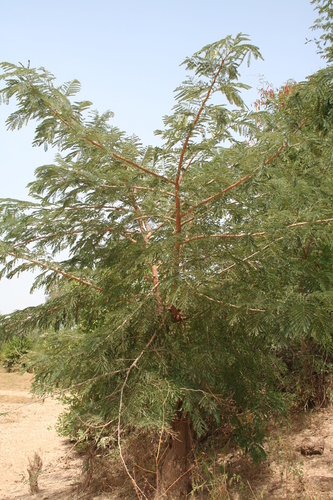
iNaturalist· cc-by-nc
(c) José Valério, some rights reserved (CC BY-NC), uploaded by José Valério
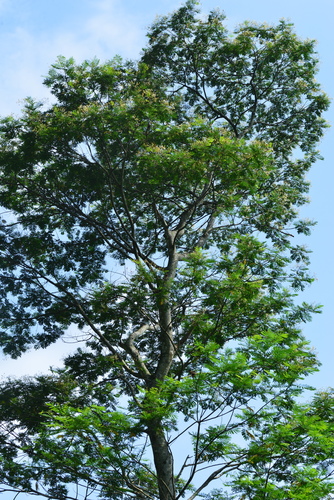
iNaturalist· cc-by-nc
(c) danplant, some rights reserved (CC BY-NC), uploaded by danplant
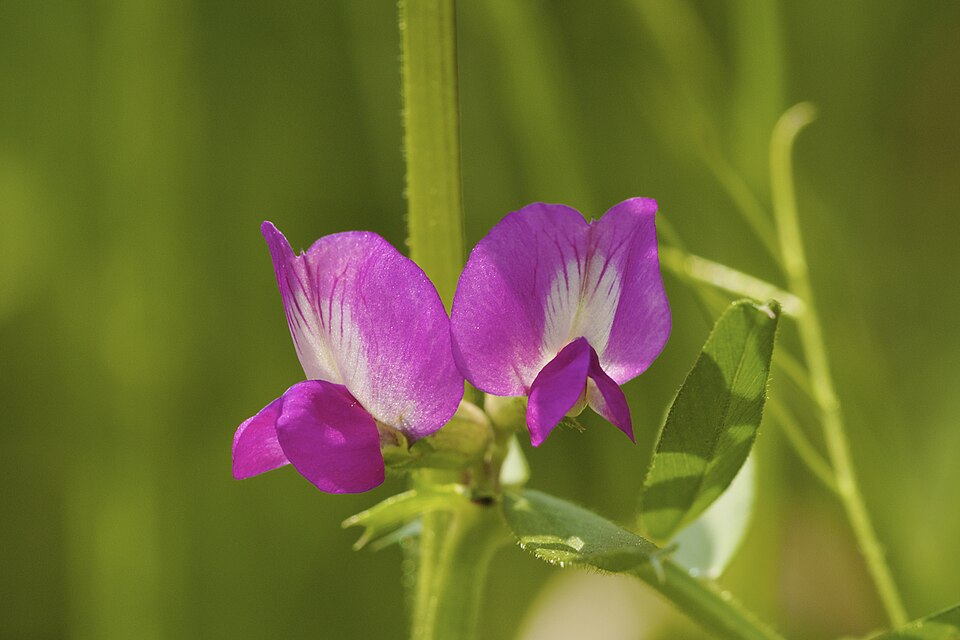
iNaturalist· cc-by-nc
(c) docprt, some rights reserved (CC BY-NC), uploaded by docprt
Summary
Source: WikipediaErythrina falcata, commonly known as the Brazilian coral tree, is a timber tree in the family Fabaceae native to tropical South America. It can be found in Argentina, Bolivia the Atlantic Forest vegetation in Brazil, Paraguay and Peru. This plant is also used as a medicinal plant and ornamental plant which is attractive to birds.
Description
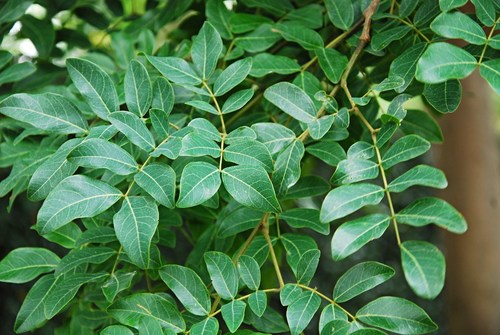
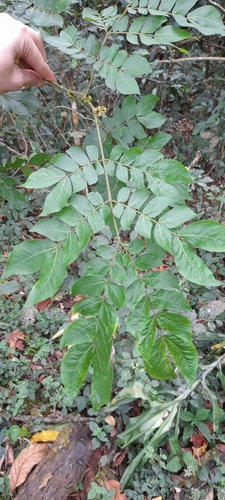
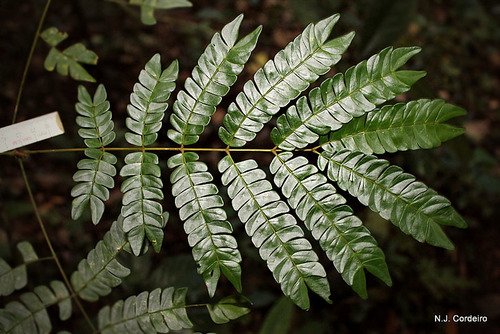
A tree. It grows 10-30 m tall. It has spines and loses its leaves during the year. The trunk can be 50-90 cm across. The leaves are compound with 3 leaflets. They are 15 cm long by 8 cm wide. The leaf stalk can be 5-16 cm long. The flowers are reddish-orange and 3-5 cm long. The fruit is a flat pod 10-20 cm long by 2-3 cm wide. There are 3 to 15 seeds. The seeds are kidney shaped and flattened.
Edible Uses
The flower petals are edible when boiled and are traditionally cooked with pepper and salt.
Traditional Uses
The flower petals are edible boiled and are cooked with pepper and salt.
This uses section is brief — help expand it
Medicinal Uses
A tea made from the bark is used in the treatment of asthma.
Known Hazards
All Erythrina species contain greater or lesser amounts of toxic alkaloids - these can be found in all parts of the plant but are usually most concentrated in the seeds. Concentrations vary from species to species, in some it is low enough that the plant is safely used as a food. In many, the alkaloids are utilized for their medicinal effects. We have no specific information on the concentration of the alkaloids in this species, but care should be exercised in any use of the plant that involves ingestion. These alkaloids have a curare-like action (obtained from Strychnos species) and can cause paralysis and even death by respiratory failure.
Distribution
It is a subtropical plant.
Where It Grows
Argentina, Bolivia, Brazil, Paraguay, Peru, South America,
Cultivation
A plant of the subtropics to the tropics, more commonly at higher elevations from 1,000 - 3,000 metres but occasionally coming down to lower levels in the tropics. Succeeds in full sun and also in partial shade. Found in very moist to wet soils in the wild. Young plants establish well and grow away quickly. All species in this genus are believed to be self-compatible. Their flowers are adapted to pollination by birds, though various insects can also cause fertilization. The various species of Erythrina can all, as far as is known, be intercrossed to produce fertile hybrids. Those species most closely related to each other cross fairly readily, but even species that are quite distant can hybridize. This species has a symbiotic relationship with certain soil bacteria, these bacteria form nodules on the roots and fix atmospheric nitrogen. Some of this nitrogen is utilized by the growing plant but some can also be used by other plants growing nearby.
Propagation
Seed - best sown as soon as it is ripe in a partially shaded position in a nursery seedbed or in individual containers. A germination rate in excess of 90% can be expected for fresh seed, with the seed sprouting within 4 - 8 days. Like many species within the family Fabaceae, once they have been dried for storage the seeds of this species may benefit from scarification before sowing in order to speed up germination. This can usually be done by pouring a small amount of nearly boiling water on the seeds (being careful not to cook them!) and then soaking them for 12 - 24 hours in warm water. By this time they should have imbibed moisture and swollen - if they have not, then carefully make a nick in the seedcoat (being careful not to damage the embryo) and soak for a further 12 hours before sowing. Cuttings.
Other Uses
The wood is of coarse, homogeneous texture; light in weight; of low durability when exposed to the elements. It can be used for purposes such as matches, wainscoting, toys, soles and heels of shoes, boxes, bowls, boards for indoor division etc. A fast-growing plant that fixes atmospheric nitrogen and supplies food for the native fauna, this species can be used as a pioneer when establishing woodland, especially in the moist to marshy soils close to rivers. The nectar in the flowers attracts parrots and parakeets. Most Erythrina species are very easy to grow from cuttings, with even quite large branches striking well. In addition, they generally fix atmospheric nitrogen, have nutrient-rich leaves that make an excellent soil-enriching mulch, often have open crowns that do not overly restrict light, and are also often quite thorny and can provide impenetrable barriers to protect from unwelcome intrusions. Many species are therefore used as living fences to provide boundaries and livestock-proof hedges.
Production
In Brazil, plants flower May to November and fruit September to November.
Notes
It is used as medicine. A tea made from the bark is used in the treatment of asthma.
Synonyms
Also Known As
Bico-de-arara, Bico-de-pato, Bituqueira, Ceibo, Corticeira-da-serra, Machoco, Marrequeira, Mochoro, Muchoco, Mulungu, Mutuqueira, Sanandu, Sananduba, Sanandura, Vermelheira
References (5)
- Alimenticias - FloraSBS
- Grandtner, M. M. & Chevrette, J., 2013, Dictionary of Trees, Volume 2: South America: Nomenclature, Taxonomy and Ecology. Academic Press p 224
- INFOODSUpdatedFGU-list.xls
- Kinupp, V. F., 2007, Plantas alimenticias nao-convencionais da regiao metropolitana de Porto Alegre, RS, Brazil p 78
- Kinupp, V. F. & Bergman, I., 2008, Protein and minerals of native species, potential vegetables and fruits. Cienc.Tecnol. Aliment. Vol. 28 No. 4 Campinas Oct/Dec.