Cerastium vulgatum
L.
Mouse-ear chickweed
iNaturalist· cc-by-nc
(c) Ivlev-Konstantin-Sergeevith, some rights reserved (CC BY-NC)
iNaturalist· cc-by-nc
(c) Ivlev-Konstantin-Sergeevith, some rights reserved (CC BY-NC)
iNaturalist· cc-by-nc
(c) Ivlev-Konstantin-Sergeevith, some rights reserved (CC BY-NC)
Description
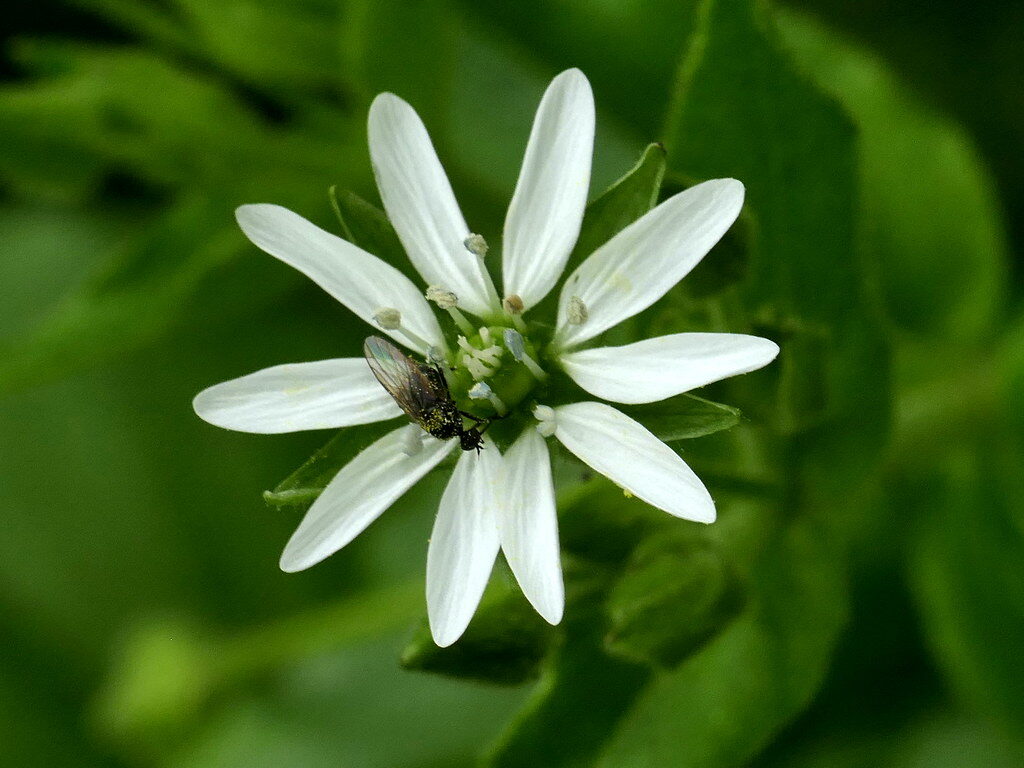
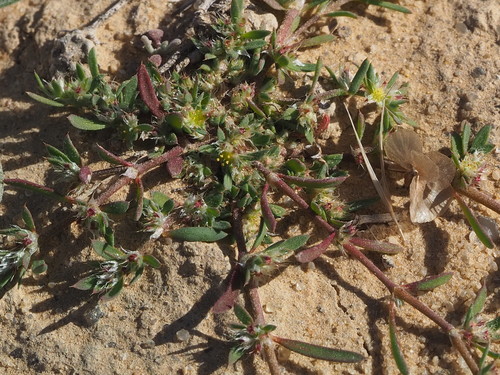
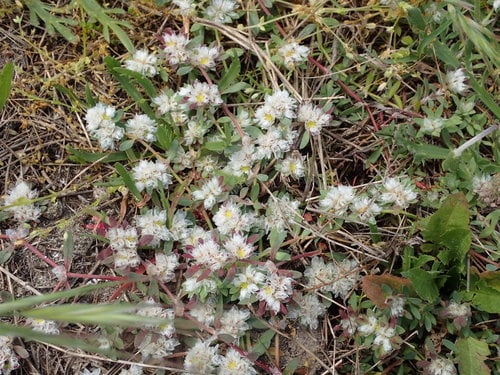
A herb that keeps growing from year to year. It has slender shoots that lie along the ground that are 15 cm long. The flowering shoots bend upwards. They are 45 cm long. The stems and leaves have spreading hairs. The leaves on the flowering shoots are narrowly oval. They are 1-2.5 cm long. They are dark green and without leaf stalks. The petals are white and divided. The fruit capsule is curved and 7-10 mm long. There are many reddish-brown seeds.
Edible Uses
The leaves are eaten.
Medicinal Uses
The leaves and shoots were used as a wild food in ancient China. In Nepal, the juice of this plant was applied to the forehead to relieve headaches. The juice could also be dropped into the nostrils to treat nosebleeds. The leaves can also be boiled and eaten.
Distribution
It is a temperate plant. It grows easily as a self sown plant in cultivated areas.
Where It Grows
Australia, North America, USA,
Notes
There are about 100 Cerastium species.
Synonyms
References (2)
- Curtis, W.M., 1956, The Students Flora of Tasmania Vol 1 p 66
- Elias, T.S. & Dykeman P.A., 1990, Edible Wild Plants. A North American Field guide. Sterling, New York p 85