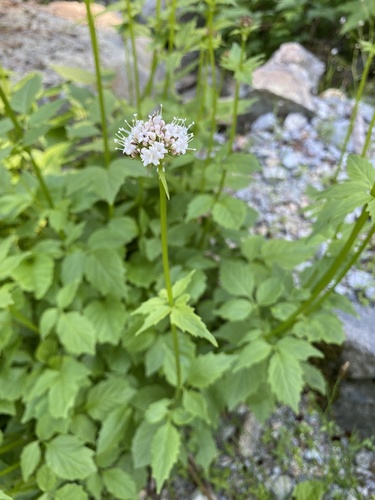
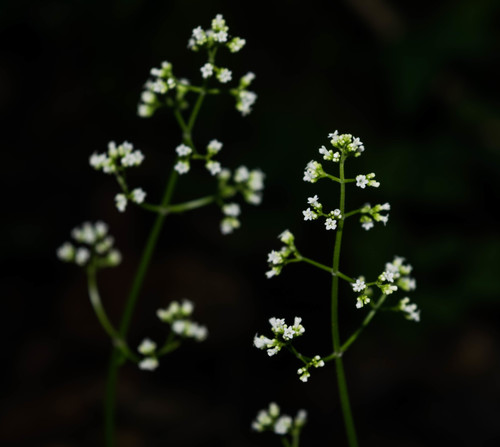
Lonicera tragophylla
Hemsl.
iNaturalist· cc-by-nc
(c) Foley Conifers, some rights reserved (CC BY-NC), uploaded by Foley Conifers
iNaturalist· cc-by-nc
(c) kiloland, some rights reserved (CC BY-NC)
Summary
Source: WikipediaLonicera tragophylla, the Chinese honeysuckle, is a species of flowering plant in the family Caprifoliaceae, native to Central China, where it inhabits forest, scrub and rocky crevices. Growing to 6 m (20 ft) tall by 1.5 m (4.9 ft) wide, it is a deciduous climbing shrub with grey-green leaves and trumpet-shaped, pure rich yellow flowers in late summer and autumn. Unlike many of its relatives in the honeysuckle genus Lonicera, it is unscented. The Latin specific epithet tragophylla means literally "goat leaf". This plant has gained the Royal Horticultural Society's Award of Garden Merit.
Description
A climber. It loses its leaves during the year. The leaves are 4-12 cm long by 2-3 cm wide. The flowers are in groups of 6 in a ring. They are yellow to orange and reddish in the upper part.
Edible Uses
The flowers are edible and can be eaten.
Distribution
It is a temperate plant. It grows in rocky crevices near rivers between 1,000-2,000 m above sea level in China. In Sichuan.
Where It Grows
Asia, China,
Synonyms
Also Known As
Mudesibe, Nimenu, Yu yu hua
References (1)
- Kang, Y., et al, 2014, Wild food plants used by the Tibetans of Gongba Valley (Zouqu country, Gansu, China) Journal of Ethnobiology and Ethnomedicine 10:20