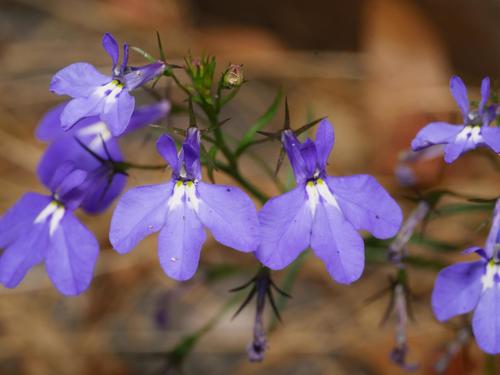
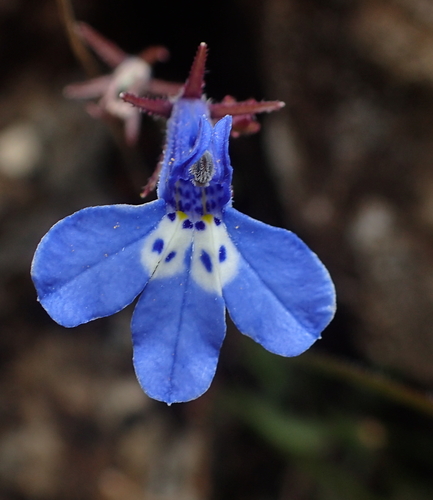
Centropogon cornutus
(L.) Druce
Mishiyuyu, Forastero
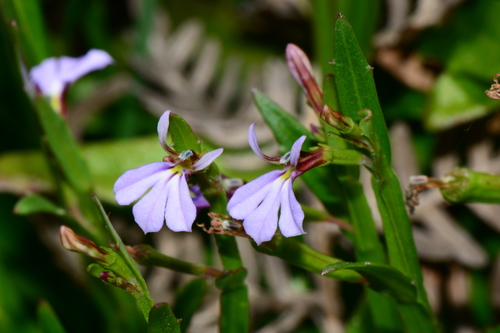
iNaturalist· cc-by-nc
(c) Bioexploradores Farallones, some rights reserved (CC BY-NC), uploaded by Bioexploradores Farallones
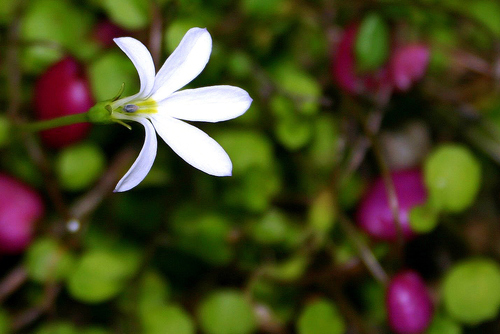
iNaturalist· cc-by-nc
(c) Chris Baasch, some rights reserved (CC BY-NC)
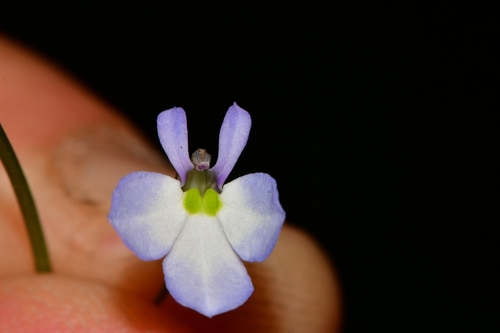
iNaturalist· cc-by-nc
(c) CORDENOS Thierry, some rights reserved (CC BY-NC)
Description
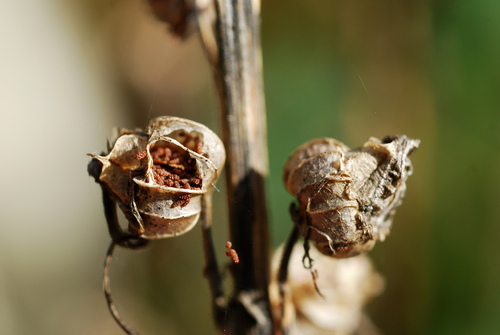
A shrub. It grows about 3 m high. It can be scrambling on other plants and grow 9 m high. The leaves are alternate. The flowers can be red to pale purple. The fruit are berries.
Edible Uses
The leaves are added to stew. The fruit are eaten cooked by boiling.
Traditional Uses
The leaves are added to stew. The fruit are eaten cooked by boiling.
This uses section is brief — help expand it
Distribution
A tropical plant.
Where It Grows
Bolivia, Brazil, Britain, Central America, Chile, Colombia, Ecuador, Europe, Guiana, Guianas, Guyana, Panama, Peru, South America, Suriname, Trinidad, West Indies,
Notes
There are 217 Centropogon species. There are 16 species in Costa Rica.
Synonyms
Also Known As
Aninga, Crista-de-peru, Emenaliballi, Fowl cock beak, Hari ahi, Karina akosansana, Karina rubarudan, Karoshiri, Karulu, Papagayo, Parrot beak, Watermomma pepper
References (11)
- Bot. Exch. Club Soc. Brit. Isles 3:416. 1914 ("1913")
- Heywood, V.H., Brummitt, R.K., Culham, A., and Seberg, O. 2007, Flowering Plant Families of the World. Royal Botanical Gardens, Kew. p 84 (Genus)
- Kermath, B. M., et al, 2014, Food Plants in the Americas: A survey of the domesticated, cultivated and wild plants used for Human food in North, Central and South America and the Caribbean. On line draft. p 206
- Maas, P.J. M., Non-Timber Forest Products of the North-West District of Guyana Part 2. The 85 most important NTFP species. p 58
- Macbride, J. F., 1937, Flora of Peru. Vol. 8, Part 6 No. 2 p 407
Show all 11 references Hide references
- Martin, F.W. & Ruberte, R.M., 1979, Edible Leaves of the Tropics. Antillian College Press, Mayaguez, Puerto Rico. p 180 (As Centropogon surinamensis)
- Morley, B. & Everard, B., 1970, Wild Flowers of the World. Ebury press. Plate 172
- Roa, J. A. G. & Boada, D. S. G., 2018, Fundación para el Fortalecimiento de la Fruticultura y Plantas Alimenticias no Convencionales en Colombia.
- Torre, de la, L., et al, 2008, Enciclopedia de las Plantas Útiles del Ecuador. Herbario QCA. Pontificia Universidad Católica del Ecuador. p 270
- Van den Eynden, V., et al, 2003, Wild Foods from South Ecuador. Economic Botany 57(4): 576-603
- Van den Eynden, V., et al, 2004, Regional and ecological variations of wild edible plants in southern Ecuador. Lyonia. 7(2)