Lavandula bipinnata
(Roth) Kuntze
iNaturalist· cc-by-nc
(c) Sahana M, some rights reserved (CC BY-NC), uploaded by Sahana M
iNaturalist· cc-by-nc
(c) Aditya Bari, some rights reserved (CC BY-NC)
iNaturalist· cc-by-nc
(c) Aditya Bari, some rights reserved (CC BY-NC)
Description
A tropical herb in the mint family (Lamiaceae).
This description is brief — help expand it
Edible Uses
Culinary lavender is usually English lavender, the most commonly used species in cooking (L. angustifolia 'Munstead'). As an aromatic, it has a sweet fragrance with lemon or citrus notes. It is used as a spice or condiment in pastas, salads and dressings, and desserts. Their buds and greens are used in teas, and their buds, processed by bees, are the essential ingredient of a monofloral honey. Spanish nard (Old French: "spykenard de spayn le pays"), referring to L. stoechas, is listed as an ingredient in making a spiced wine, hippocras, in The Forme of Cury. Lavender was introduced into England in the 1600s. It is said that Queen Elizabeth I of England prized a lavender conserve (jam) at her table, so lavender was produced as a jam at that time, as well as used in teas both medicinally and for its taste. Lavender was not used in traditional southern French cooking at the turn of the 20th century. It does not appear at all in the best-known compendium of Provençal cooking, J.-B. Reboul's Cuisinière Provençale. French lambs have been allowed to graze on lavender as it is alleged to make their meat more tender and fragrant. In the 1970s, a blend of herbs called herbes de Provence was invented by spice wholesalers. Culinary lavender is added to the mixture in the North American version. In the 21st century, lavender is used in many world regions to flavor tea, vinegar, jellies, baked goods, and beverages.
Medicinal Uses
The plant is used in the treatment of stomach parasites.The plant is supposed to act as an antidote against snake poison. The roots are rubbed with water and the solution or the paste is applied over the sting or the bite of poisonous animals. The powdered leaves are given for inhalation to the person who has been bitten by a serpent in order to prevent him from falling into sleep. A paste made from the leaves is used to treat toothache, decay and gum problems. The stem is crushed in water and a half glass of the water is given orally to treat diarrhoea.
Distribution
It is a tropical plant.
Where It Grows
Asia, India,
Cultivation
Lavandula bipinnata is found mainly in the seasonally dry tropics of India
Other Uses
The flowers are used to purify dirty water. An essential oil is obtained from the flowers. There has been much research on the chemistry of this species for aromatic compounds, but it is not used commercially.
Synonyms
Also Known As
Ranganja
More from Lamiaceae
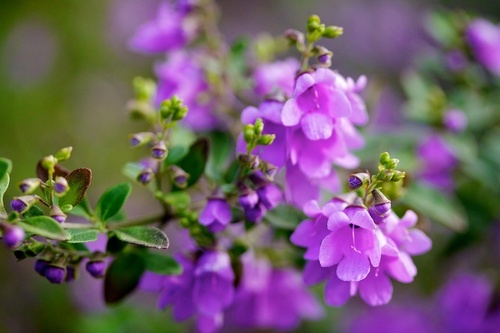
Prostanthera ovalifolia
Purple Mint-bush, Oval leafed mint bush
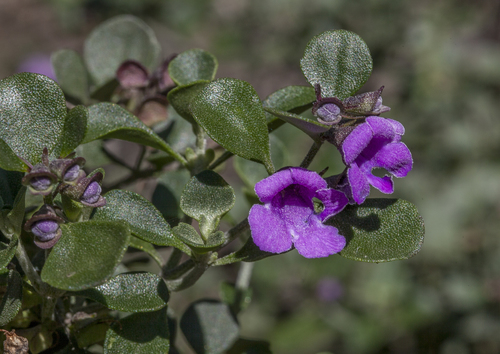
Prostanthera rotundifolia
Native mint, Round leafed mintbush, Australian mint bush
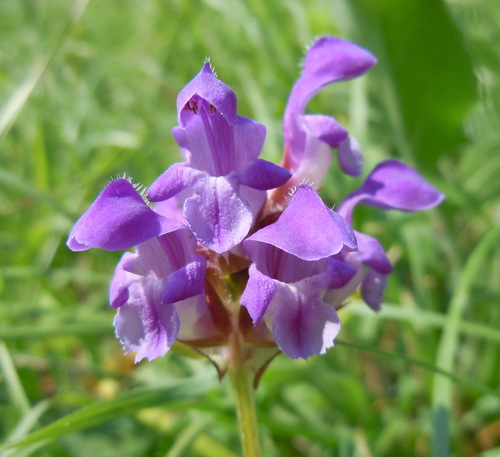
Prunella grandiflora
Bigflower Selfheal, Large Self-heal, Prunella Loveliness
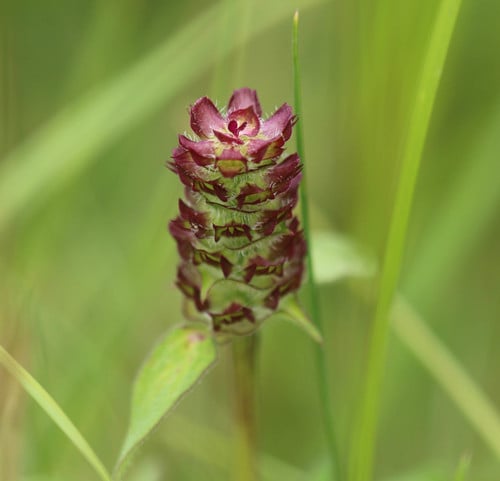
Prunella vulgaris
Self Heal, Healall, All-heal
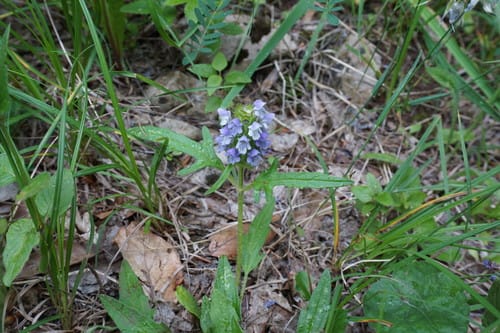
Prunella vulgaris subsp. asiatica
Carpenter Weed
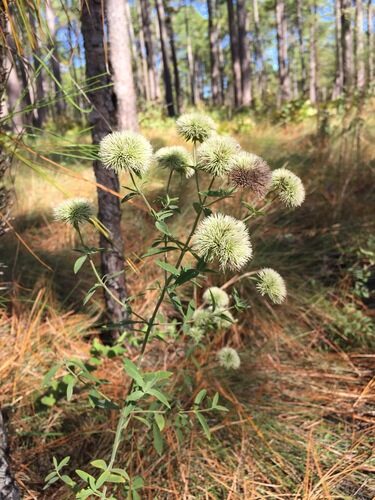
Pycnanthemum flexuosum
Mountain Mint, Appalachian mountainmint