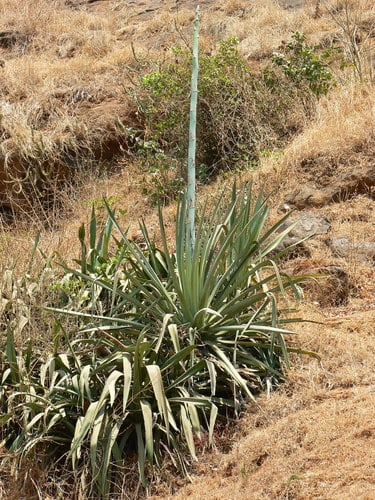
Chlorophytum arundinaceum
Baker
iNaturalist· cc0
no rights reserved, uploaded by John Kenrick Gibson
iNaturalist· cc0
no rights reserved
Description
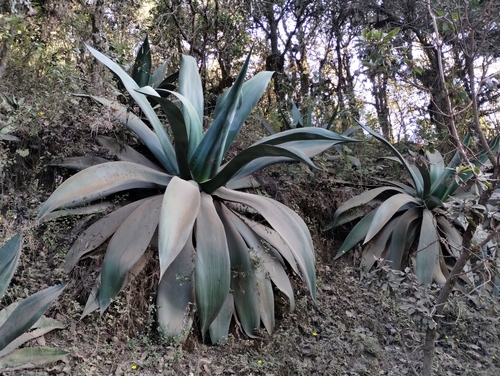
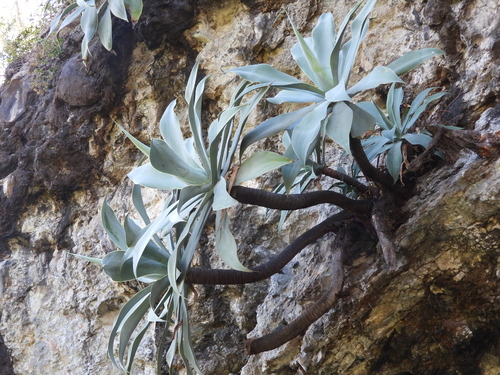
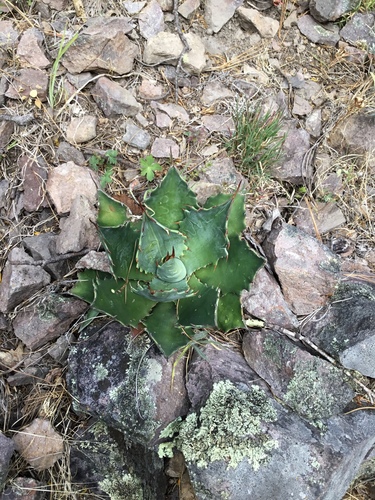
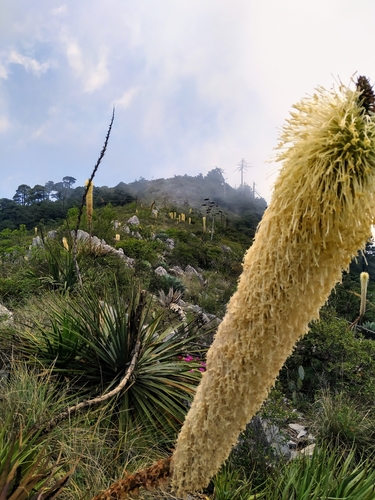
A herb. The roots form tubers. The stalks are leafless. The leaves are star shaped. The flowers are white with yellow anthers. The fruit is a 3 lobed capsule.
Edible Uses
The whole plant is eaten either raw or boiled as a vegetable and serves as a substitute for onions. The tubers, roots, flowers, and other plant parts are edible.
Traditional Uses
The whole plant is eaten either raw or boiled as a vegetable. It is a substitute for onions.
This uses section is brief — help expand it
Medicinal Uses
Chlorophytum arundinaceum is one of several species of Chlorophytum known as 'safed musli' and commonly used in traditional Indian medicine. Safed musli holds an important position in Indian herbal medicine, where the tuber is valued mainly as a tonic, intended to give strength and vigour, and is widely used as a natural aphrodisiac. It is used in the treatment of general debility, diabetes and lactation problems. The regular use of this remedy is a valuable help in the treatment of impotency and premature ejaculation. The tuber is an integral part of more than 100 herbal drug formulations.. The tuber is nervine and a general tonic. A decoction of the root, combined with turmeric, is used in the treatment of rheumatism. Fried powder of the root is chewed in the treatment of aphthae of the mouth and throat. The tuber is used in the treatment of hydrocele, wounds and ulcers. The roots contain a bibenzyl xyloside, the steroidal sapogenins, as well as stigmasterol and its glucoside, nonacosane and tetracosanoic, and triacontanoic acids. The root extract exhibited good adaptogenic properties. The fruits yield a polysaccharide, galactoglucan. The dried roots of Chlorophytum contain 42% carbohydrate, 8 - 9% protein, 3 - 4% fiber and 2 - 17% saponin. Studies on Chlorophytum conducted in India and elsewhere indicate that saponins are responsible for the medicinal properties. Saponin content is thought to be highest in roots of forest origin. Many native Indian species are sold as safed musli in the Indian drug market. Chlorophytum boriviliahum produces the highest yield and highest saponin content, other native species that are used include Chlorophytum arundinaceum, Chlorophytum breviscapum, Chlorophytum indicum, Chlorophytum laxum and Chlorophytum tuberosum
Distribution
It is a subtropical plant.
Where It Grows
Asia, Himalayas, India, Northeastern India,
Cultivation
Chlorophytum species require a frost free climate, and can succeed from the subtropical zone to the tropics, in moist to humid climates. Species in this genus seem to be adapted to a wide range of conditions in cultivation, though they are generally found in soils rich in organic matter and can succeed in full sun or in shade The flowers open in the morning and close in the afternoon.
Notes
Also put in the family Anthericaceae and Liliaceae.
Synonyms
Also Known As
Bis kamdari, Kuchela, Safed-musli
References (5)
- Dobriyal, M. J. R. & Dobriyal, R., 2014, Non Wood Forest Produce an Option for Ethnic Food and Nutritional Security in India. Int. J. of Usuf. Mngt. 15(1):17-37
- Reddy, K. N. et al, 2007, Traditional knowledge on wild food plants in Andhra Pradesh. Indian Journal of Traditional Knowledge. Vol. 6(1): 223-229 (As Cholorophytum)
- Singh, B., et al, 2012, Wild edible plants used by Garo tribes of Nokrek Biosphere Reserve in Meghalaya, India. Indian Journal of Traditional Knowledge. 11(1) pp 166-171
- Srivastava, R. C., et al, 2010, Indigenous biodiversity of Apatani plateau: Learning on biolcultural knowledge of Apani tribe of Qrunachal Pradesh for sustainable livelihoods. Indian Journal of Traditional Knowledge 9(3): 432-442
- Wild edible plants of Himachal Pradesh