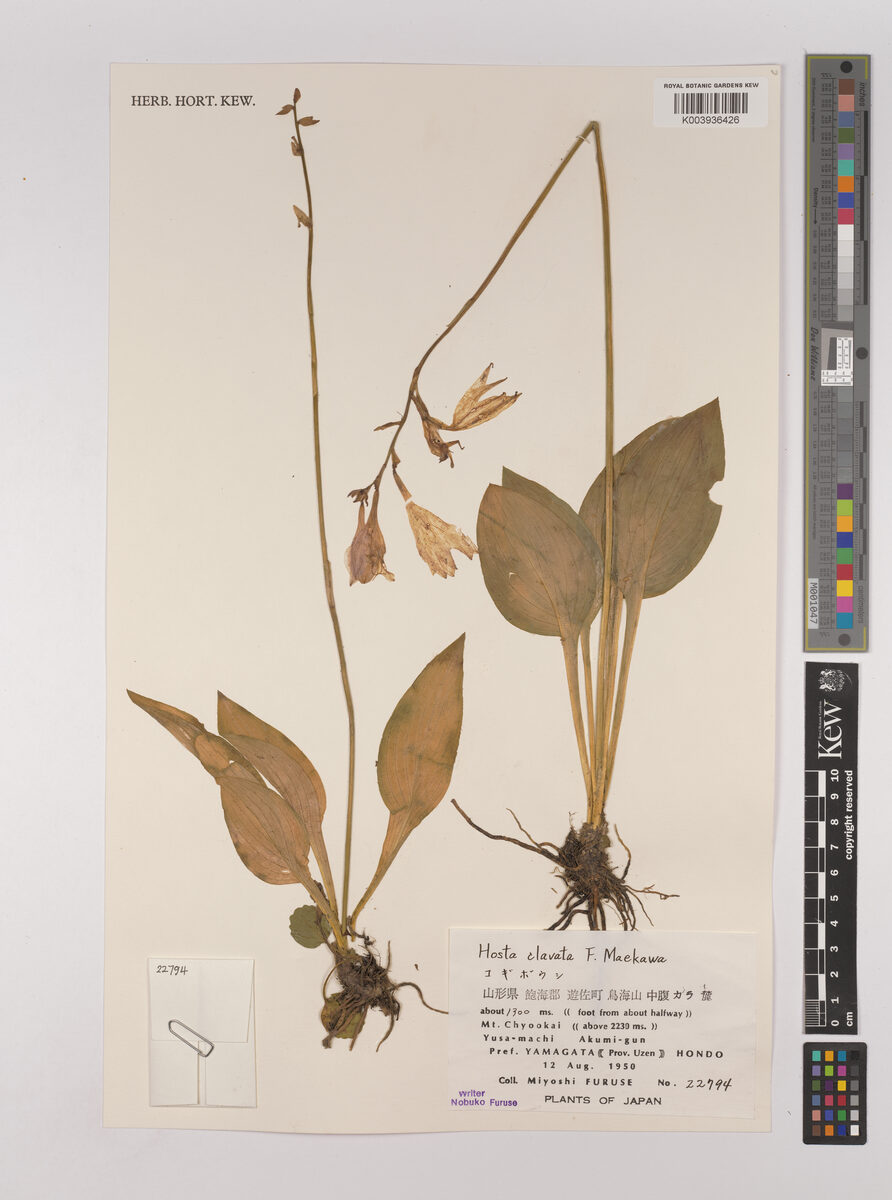
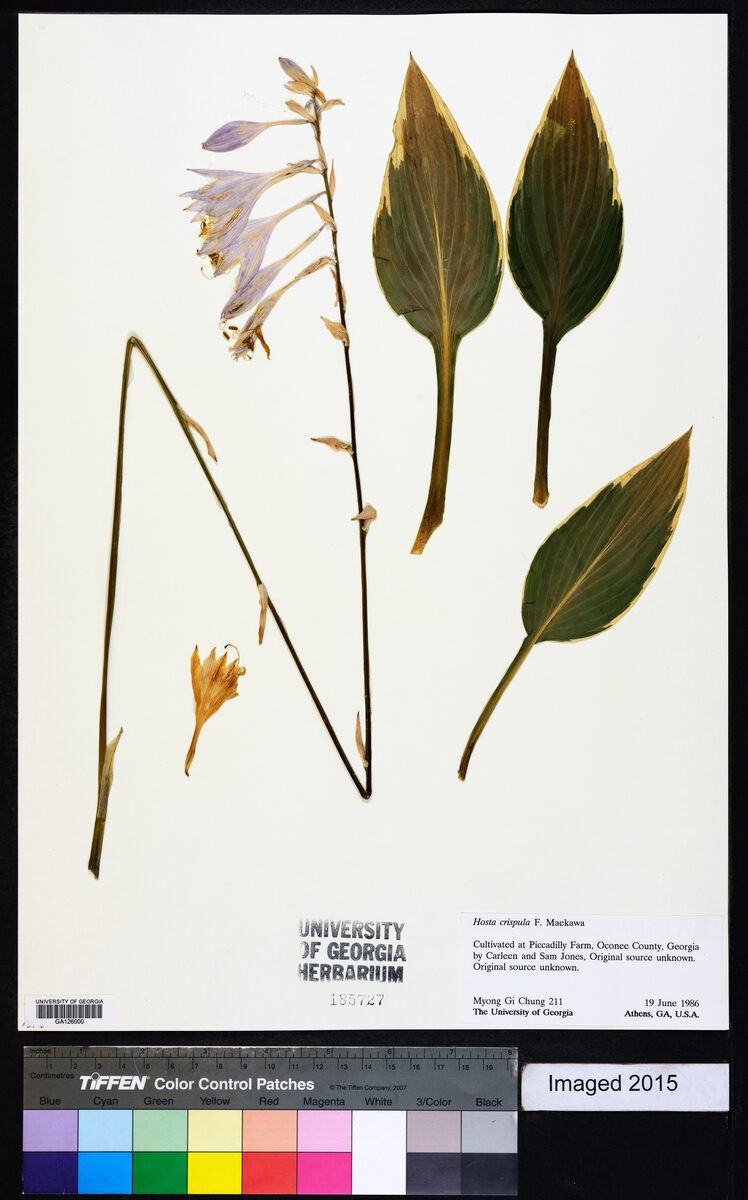
Aspidistra sutepensis
K. Larsen
Lilao
iNaturalist· cc-by-nc
(c) Lola Smirnova, some rights reserved (CC BY-NC), uploaded by Lola Smirnova
gbif· cc-by
Royal Botanic Gardens, Kew
Description
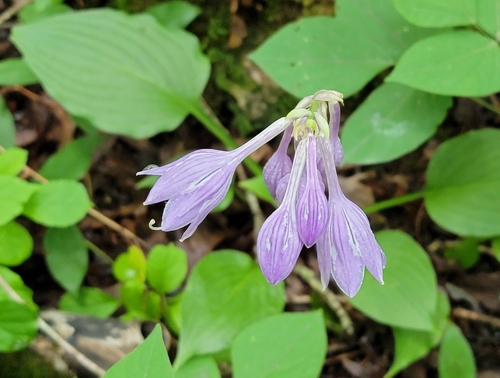
A herb. It has a rhizome 2-3 cm thick. There are 4-6 leaves at the base. The leaf stalk is 10-20 cm long. The leaf blades are 90-150 cm long by 13-18 cm wide. The flowers spike is 18-25 cm long by 2 cm wide. There are many flowers densely arranged. The flowers are a pale purple to pink.
Edible Uses
The flowers are steamed and eaten as a vegetable; leaves are also edible.
Traditional Uses
The flowers are steamed and eaten as a vegetable.
This uses section is brief — help expand it
Distribution
It is a tropical plant.
Where It Grows
Asia, Indochina, SE Asia, Thailand,
Notes
Also put in the family Liliaceae. It is a rare plant.
Also Known As
Doak nang laew
References (5)
- Anderson, E. F., 1993, Plants and people of the Golden Triangle. Dioscorides Press. p 203
- Ethnobotany of Karen in Khun Tuen Noi Chiang Mai. http://khuntuennoi.myspecies
- Jiwajinda, S., et al, 2002, Suppressive Effects of Edible Thai Plants on Superoxide and Nitric Oxide Generation. Asian Pacific Journal of Cancer Prevention, Vol 3, 2002
- Maisuthisakul, P., 2012, Phenolic Constituents and Antioxidant Properties of some Thai Plants. www.intechopen.com p 189
- Suksri, S., et al, 2005, Ethnobotany in Bung Khong Long Non-Hunting Area, Northeast Thailand. Kasetsart J., (Nat. Sci) 39: 519-533