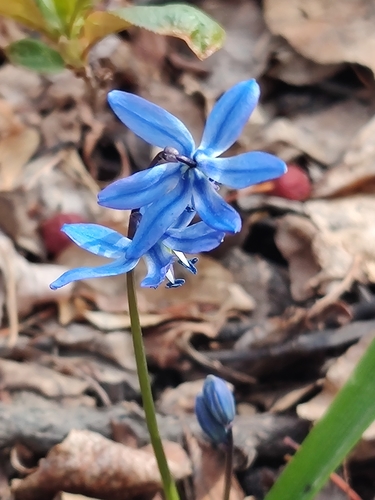
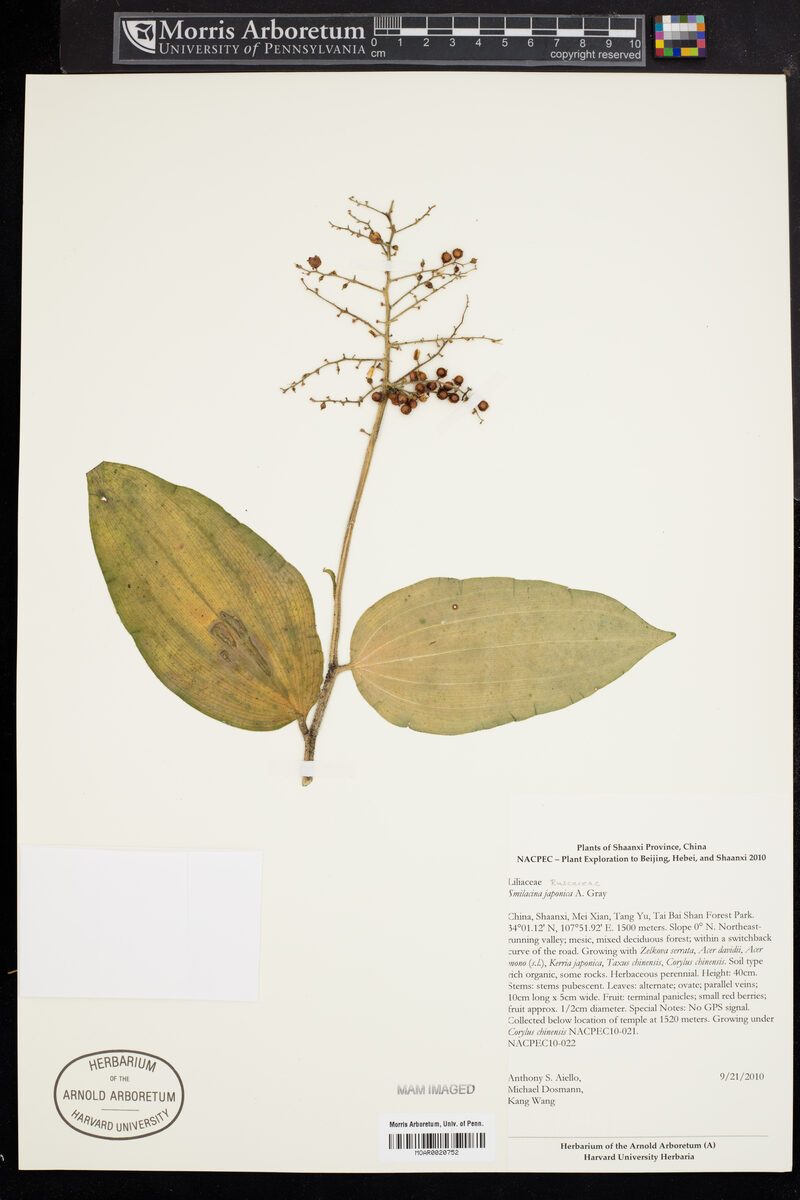
Asparagus verticillatus
Linn.
Climbing asparagus vine
iNaturalist· cc-by-nc
(c) ramazan_murtazaliev, some rights reserved (CC BY-NC), uploaded by ramazan_murtazaliev
iNaturalist· cc-by-nc
(c) Ibrahim Hirory, some rights reserved (CC BY-NC)
Summary
Source: WikipediaA hardy perennial climber reaching 4m tall, hardy to UK zone 6 and frost-resistant. Dioecious flowers requiring both male and female plants for seed; bee-pollinated but not self-fertile. Accommodates light sandy, medium loamy, and heavy clay soils with well-drained conditions. Tolerates mildly acid, neutral, and basic pH levels. Grows in semi-shade or full sun and prefers moist soil.
Description
A hardy perennial climber reaching 4m tall, hardy to UK zone 6 and frost-resistant. Dioecious flowers requiring both male and female plants for seed; bee-pollinated but not self-fertile. Accommodates light sandy, medium loamy, and heavy clay soils with well-drained conditions. Tolerates mildly acid, neutral, and basic pH levels. Grows in semi-shade or full sun and prefers moist soil.
Edible Uses
Edible Parts: Shoots Stem Edible Uses: Young shoots - cooked.
Traditional Uses
The young shoots are cooked and eaten. They are used in salads and fried with eggs.
This uses section is brief — help expand it
Medicinal Uses
None known
Distribution
It is a temperate plant.
Where It Grows
Armenia, Australia, Caucasus, Russia,
Cultivation
Easily grown in any good garden soil. Prefers a rich sandy loam. Dormant plants are hardy to about -20°c. The young growth in spring, even on mature plants, is frost-tender and so it is best to grow the plants in a position sheltered from the early morning sun. Dioecious. Male and female plants must be grown if seed is required.
Propagation
Seed - pre-soak for 12 hours in warm water and then sow in spring or as soon as the seed is ripe in early autumn in a greenhouse. It usually germinates in 3 - 6 weeks at 25°c. Prick out the seedlings into individual pots when they are large enough to handle and grow them on in a sunny position in the greenhouse for their first winter. Plant them out into their permanent positions in late spring or early summer. Division in early spring as the plant comes into growth.
Other Uses
None known Special Uses
Other Information
It is sold in local markets.
Notes
There are between 160-300 Asparagus species.
Also Known As
Tsnebek, Tsnepak
References (3)
- Hedrick, U.P., 1919, (Ed.), Sturtevant's edible plants of the world. p 82
- Nanagulyan, S., et al, 2020, Wild plants and fungi sold in the markets of Yerevan (Armenia). Journal of Ethnobiology and Ethnomedicine 16:26
- Sp. pl. ed. 2, 1:450. 1762