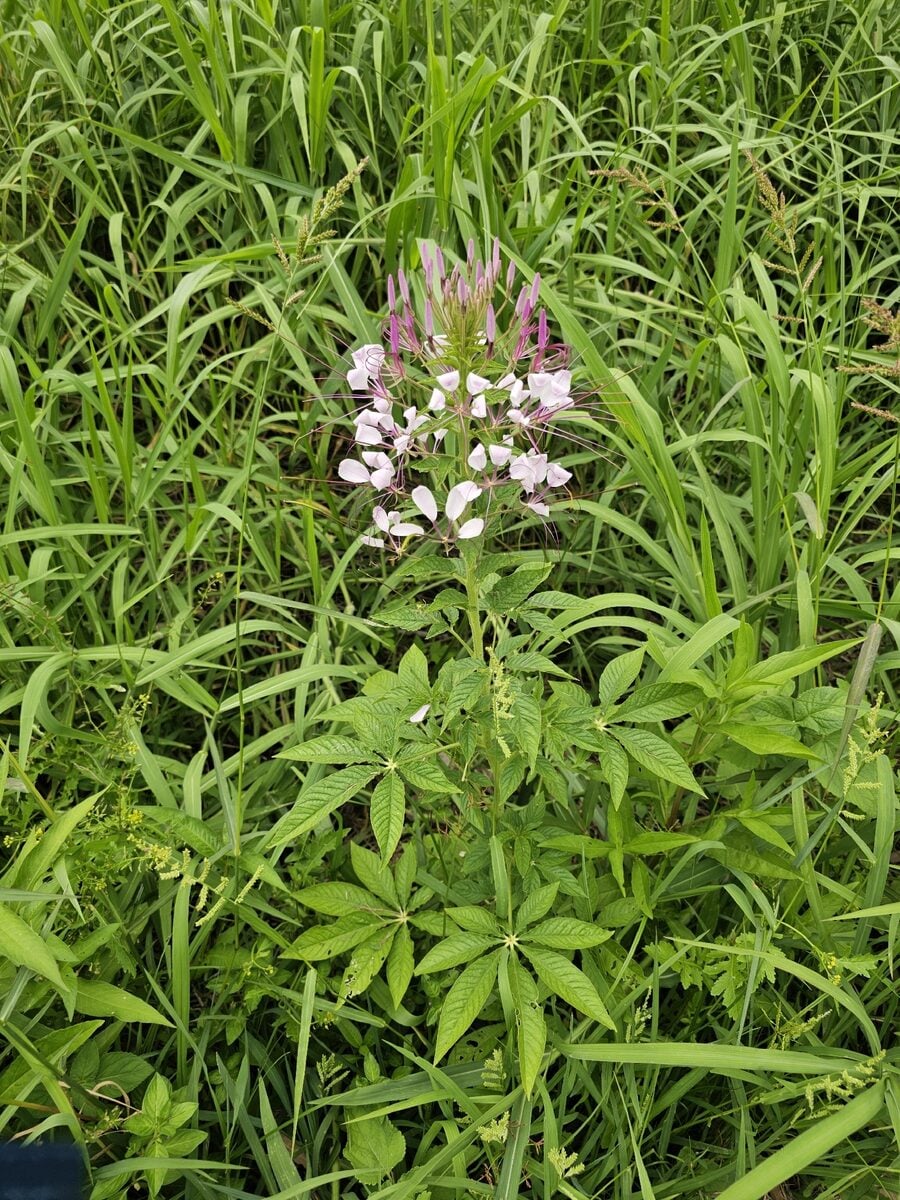
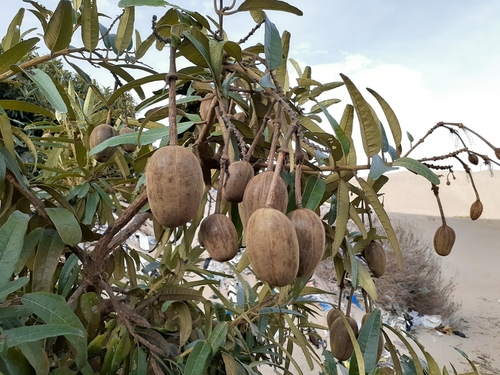
Crateva adansonii subsp. trifoliata
(Roxb.) Jacobs
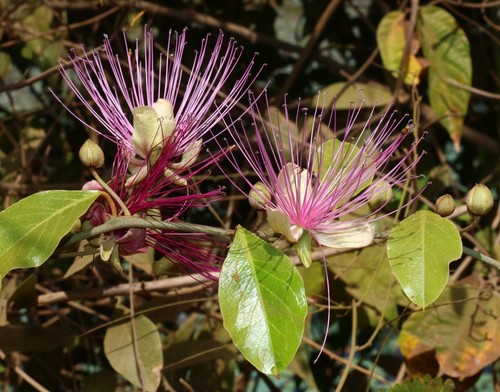
iNaturalist· cc0
no rights reserved, uploaded by 葉子
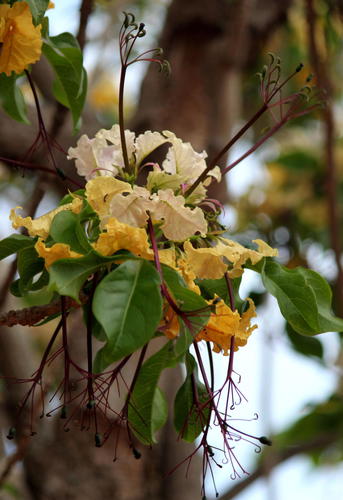
iNaturalist· cc-by-nc
(c) yihan, some rights reserved (CC BY-NC), uploaded by yihan
iNaturalist· cc-by-nc
(c) 金翼白眉, some rights reserved (CC BY-NC), uploaded by 金翼白眉
Summary
Source: WikipediaCrateva adansonii is a species of small tree in the family Capparaceae. It is widely distributed in Africa and Asia and may be called the "sacred barna" in India or bún trái đỏ (mắt núi) in Vietnam.
Description
A shrub or tree. It grows 2-8 m tall. It loses its leaves at flowering time. The leaves are compound with 3 leaflets. The leaflets are 6-8 cm long by 4-5 cm wide. They can be slightly more pale underneath. The flowers are in groups of 10-20. The petals are white.
Distribution
It is a tropical plant. It can grow on sandstone or limestone in broadleaf forests. It grows from sea level to 300 m above sea level.
Where It Grows
Asia, Cambodia, China, India, Indochina, Laos, Myanmar, SE Asia, Taiwan, Thailand, Vietnam,
Synonyms
Also Known As
Bun ba-la
References (2)
- Kachenchart, B., et al, 2008, Phenology of Edible Plants at Sakaerat Forest. In Proceedings of the FORTROP II: Tropical Forestry Change in a Changing World. Bangkok, Thailand.
- Khumgratok, S., Edible Plants in Cultural Forests of Northeastern Thailand. Mahasarakham University Thailand.